
Learn what nursing students do during clinicals, how placements work and how hands-on experience prepares them for professional practice
Nursing clinicals are one of the most exciting parts of nursing school, but caring for real patients for the first time can also feel intimidating. What will you be expected to do? Who will supervise you? And how do clinicals fit alongside your classes? 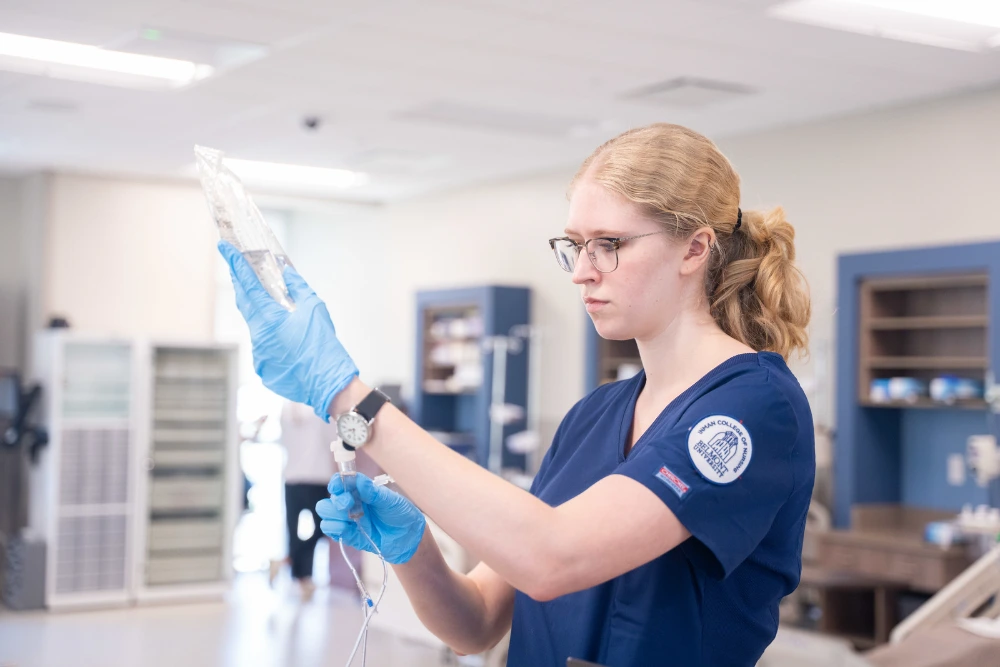
Designed to help students transform what they learn in the classroom into real-world nursing practice, clinicals provide hands-on experience in hospitals, clinics, public health organizations and other health care settings. Below, we’ll explain what nurse clinicals are, what students do during clinical rotations and how these experiences prepare future nurses for their careers.
What Are Nursing Clinicals?
Nursing clinicals are supervised learning experiences that allow nursing students to apply their classroom knowledge while caring for patients in real health care settings. During clinicals, students work alongside experienced faculty and practicing nurses to develop their skills, build confidence and learn how professional care teams operate.
Clinical rotations are one of three key components of nursing education:
- Classroom instruction helps students build foundational knowledge of nursing concepts, health conditions, treatments and patient care.
- Skills and simulation labs allow students to practice procedures and clinical decision-making in a controlled environment before working with patients.
- Nursing clinicals give students opportunities to apply that knowledge and experience the realities of patient care under appropriate supervision.
“Clinical experiences are where nursing students begin to connect what they have learned in the classroom and apply their knowledge to real patients, real situations and real clinical decisions,” said Marita Dell’Aquila, chair of prelicensure nursing practice and professor of nursing at Belmont University. “Students learn to recognize what a patient needs, prioritize care, communicate effectively, collaborate with the health care team and make sound clinical judgments.”
Clinicals are required as part of nursing education, but students are not expected to begin the experience knowing how to handle every situation independently. Responsibilities increase gradually as students progress through their program and demonstrate new skills.
At Belmont University, students begin hands-on clinical experiences as early as their sophomore year and continue developing their skills throughout the Bachelor of Science in Nursing program.
What Do Nursing Students Do During Clinicals?
During nurse clinicals, students practice many of the responsibilities they will encounter as registered nurses. Their specific tasks depend on how far they have progressed in nursing school, the type of clinical rotation and the policies of the clinical site.
Depending on the experience, nursing students may:
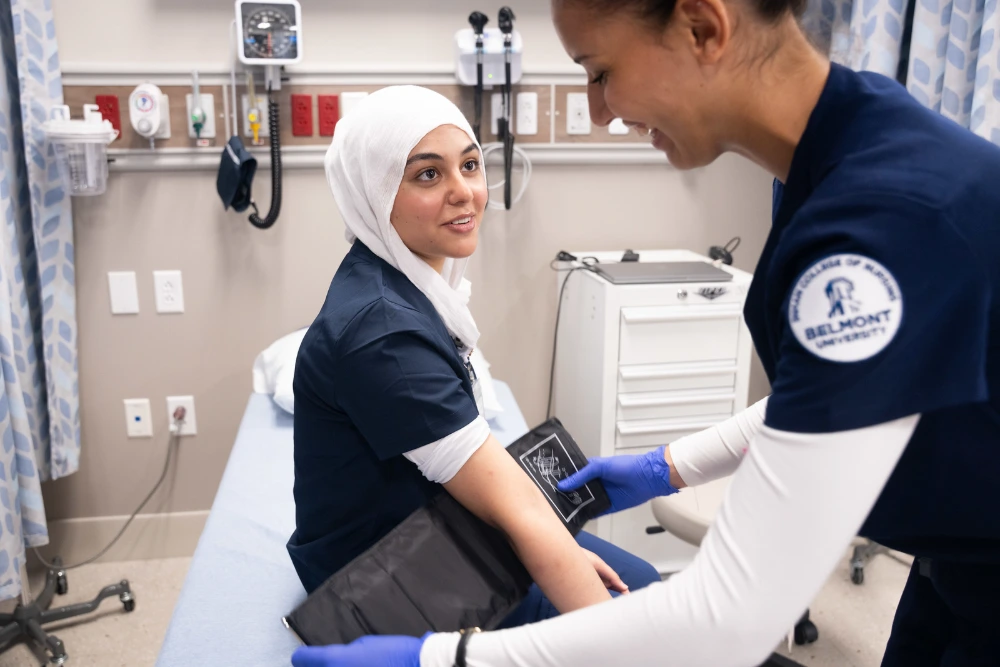
- Take and record vital signs
- Review patient medical histories
- Conduct patient assessments
- Assist patients with daily activities
- Administer medications under supervision
- Provide wound care
- Assist with procedures
- Create or contribute to patient care plans
- Document the care they provide
- Communicate with patients and their families
- Collaborate with nurses and other health care professionals
Early clinical experiences may focus on observing, practicing foundational skills and caring for a smaller number of patients. As students advance, they begin managing more complex responsibilities, strengthening their clinical judgment and becoming increasingly independent while still receiving guidance and supervision.
Clinicals also teach students parts of nursing that can’t be fully replicated in a classroom. Students learn how to establish trust with patients, communicate in emotionally challenging situations, manage competing priorities and adjust when a patient’s needs change.
What Does a Typical Nursing Clinical Day Look Like?
No two clinical days are exactly alike. A student’s schedule and responsibilities will vary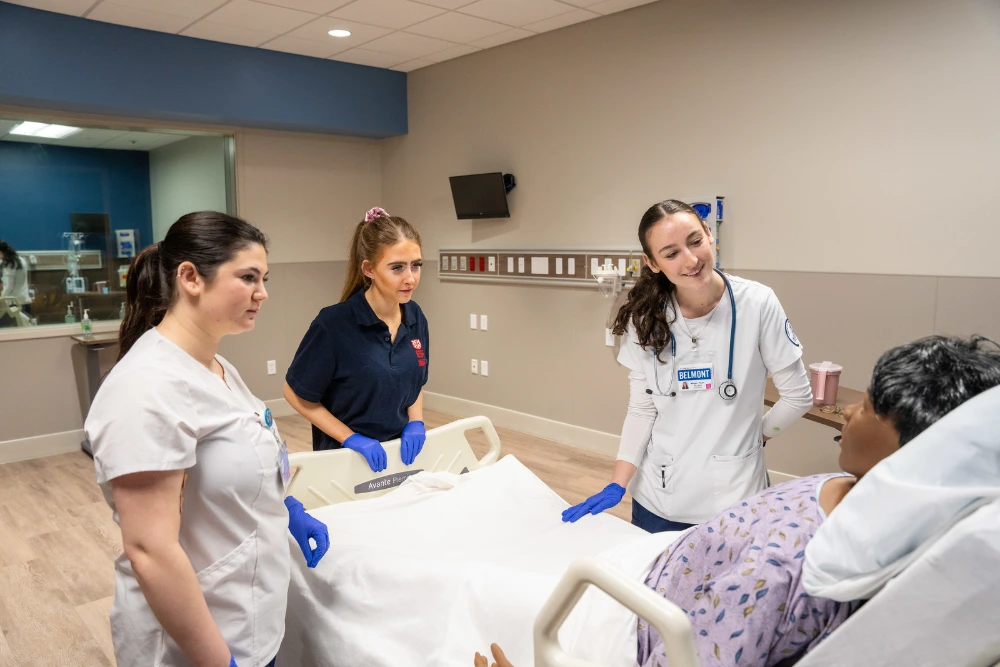 depending on the nursing program, clinical site, specialty and stage of training. However, a typical clinical day may include:
- Preparing for the shift: Students may review relevant material, gather required supplies and arrive early enough to prepare for the day.
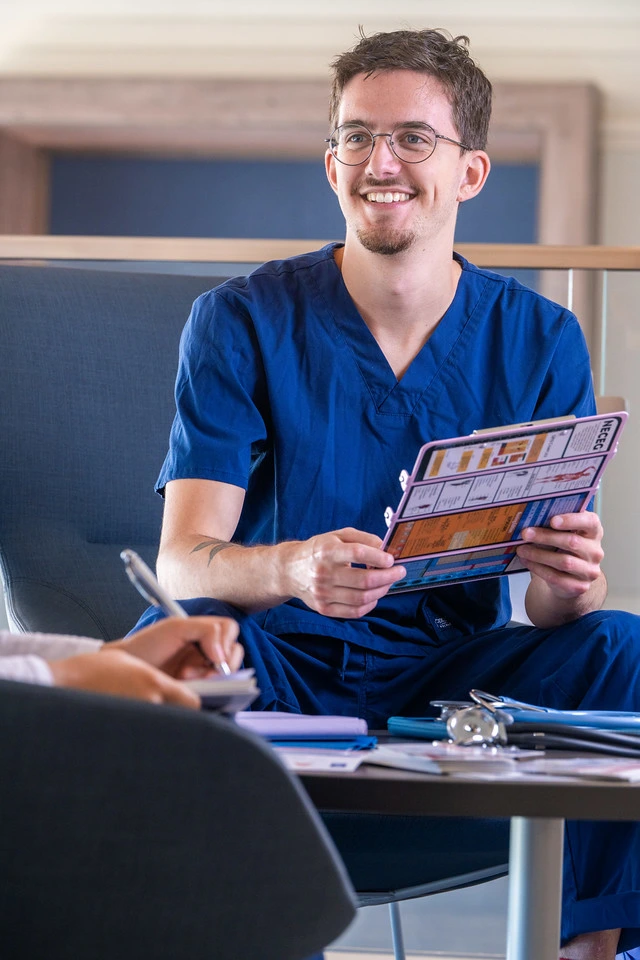
- Meeting before patient care begins: The clinical instructor may review the day’s objectives, discuss patient assignments and give students an opportunity to ask questions.
- Reviewing patient information: Students learn about their assigned patients’ health histories, current conditions, medications and care plans.
- Providing supervised care: Throughout the shift, students complete appropriate assessments, procedures and patient-care tasks with guidance from their instructor or a practicing nurse.
- Documenting and communicating: Students may document the care they provide and share relevant information with members of the patient’s care team.
- Reflecting after the shift: Many clinical days conclude with a debriefing or post-conference where students discuss what they encountered, ask questions and identify areas for continued growth.
Clinical days may be busy, and students won't always know exactly what to expect. That uncertainty is part of the learning process, and each shift gives students an opportunity to become more adaptable, observant and confident.
What Happens on the First Day of Nursing Clinicals?
The first day of nursing clinicals typically focuses on orientation rather than expecting students to perform every nursing task immediately. Students may tour the facility, meet their clinical instructor and the nurses they will work alongside, review safety procedures and learn the expectations of the clinical site.
It’s normal to feel nervous! Clinical instructors know that students are still learning and are there to provide support, answer questions and ensure that patient care is delivered safely. As the rotation continues, students gradually take on additional responsibilities based on their preparation and demonstrated skills.
Where Do Nursing Students Complete Clinicals?
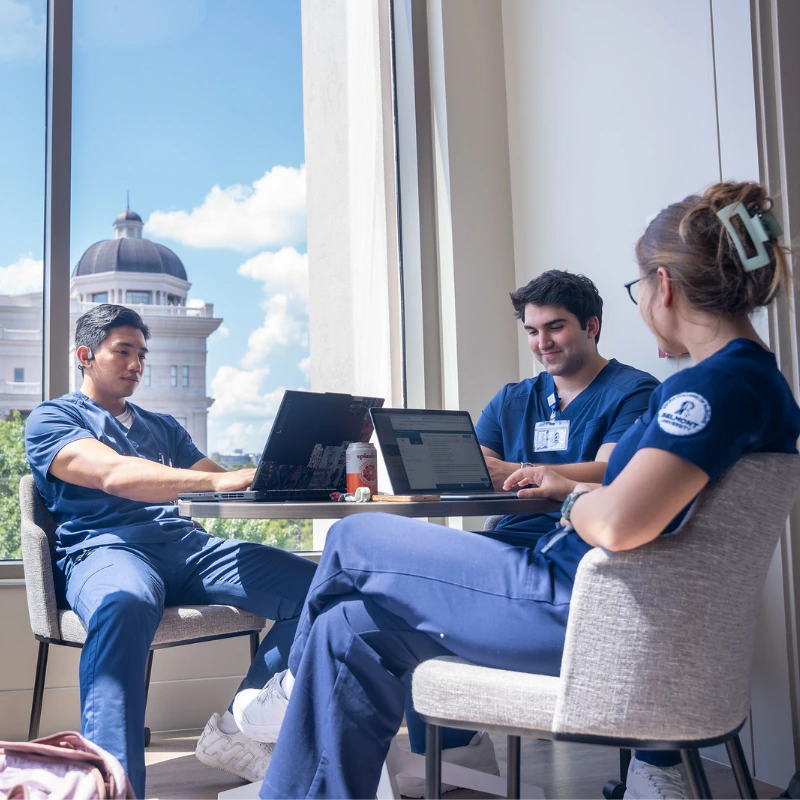 Clinical sites for nursing students can include hospitals, clinics, public health departments and community-based organizations. Training in multiple environments helps students understand how nursing responsibilities change across specialties, patient populations and levels of care.
Nursing programs typically include rotations in several specialty areas, such as medical-surgical nursing, pediatrics, maternal and newborn care, mental health and community health. These varied experiences allow students to explore different nursing specialties while learning to care for patients with a wide range of health needs.
Where Do Belmont Nursing Students Complete Clinicals?
Belmont nursing students gain experience in acute care hospitals, public health departments, specialty clinics and community-based health organizations. The Inman College of Nursing coordinates clinical sites for nursing students with trusted health care partners across Nashville and beyond, including:
- HCA Healthcare
- Vanderbilt University Medical Center
- Ascension Saint Thomas
- TriStar Health
- Tennessee Department of Health
- Tennessee Valley Healthcare System (VA)
- St. Jude Children’s Research Hospital in Memphis
Through these partnerships, students learn alongside experienced health care professionals while developing their skills in real-world clinical environments. Exposure to different organizations and care settings also helps students discover which patient populations and nursing specialties most interest them.
How Do Nursing Clinical Placements Work?
 The clinical placement process varies by nursing school. Some programs coordinate placements for their students, while others — particularly certain online or graduate programs — may require students to identify potential clinical sites or preceptors themselves.
At Belmont, the Inman College of Nursing coordinates clinical placements for 100% of BSN students. This structured approach ensures that every student receives meaningful experience in an appropriate care setting without having to find a placement independently.
Clinical learning at Belmont is also intentionally connected to students’ coursework, laboratory practice and simulation experiences.
“We don’t view clinical as an isolated experience where students simply go into a hospital and perform skills,” Dell’Aquila said. “Our experiential learning is intentionally integrated with classroom learning, laboratory practice, simulation and clinical experiences so that students have multiple opportunities to learn, practice, apply and reflect.”
Before caring for patients in clinical settings, students can use Belmont’s simulation center to practice skills, make decisions and experience complex clinical situations in a safe environment. Prebriefing, debriefing and reflection help students consider not only what they did, but why they did it and how they can improve.
Students may complete several placements throughout nursing school, with each rotation designed to support a particular course or area of practice. Clinical assignments can vary by semester and may require students to travel to different locations or attend shifts outside traditional classroom hours.
Belmont’s clinical curriculum builds progressively across the four-year BSN program:
- Year One: Students complete general education coursework and learn introductory nursing concepts.
- Year Two: Students begin foundational nursing courses and initial clinical experiences.
- Year Three: Students progress to advanced nursing coursework and expanded clinical practice.
- Year Four: Students complete clinical immersion experiences and prepare for professional licensure and nursing practice.
This progression allows students to build a strong foundation before gradually taking on more complex patient-care responsibilities.
How Long Are Clinicals for Nursing Students?
The length of nursing clinicals varies by program, degree type, state requirements and clinical setting. A single clinical shift may last several hours or follow a full nursing shift, while the total number of clinical hours is typically spread across multiple semesters.
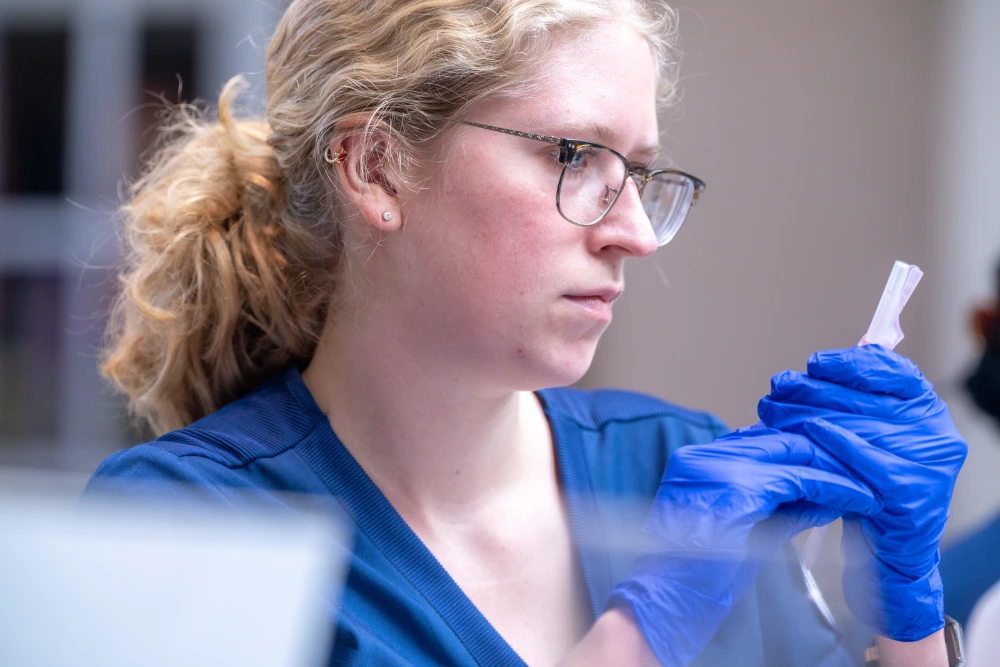 Students should consider both the time spent at the clinical site and the preparation required outside of each shift. Depending on the course, they may need to review patient information, research health conditions, prepare care plans, complete clinical logs or reflect on what they learned.
For students pursuing RN licensure, clinical experience is incorporated into an approved nursing program rather than completed as a separate step after graduation. Each state board of nursing and nursing program establishes its own requirements, so there is no single nationwide answer to how many clinical hours are needed to become an RN.
At Belmont, students begin clinical experiences as early as their sophomore year. They continue building their clinical skills throughout the remainder of the BSN program, culminating in clinical immersion and preparation for professional nursing practice during their senior year.
What Are the Benefits of Clinical Experience in Nursing?
The benefits of clinical experience in nursing extend far beyond practicing individual procedures — clinicals help students connect knowledge with practice, develop professional judgment and understand what it means to care for patients as part of a health care team.
Apply Classroom Knowledge to Patient Care
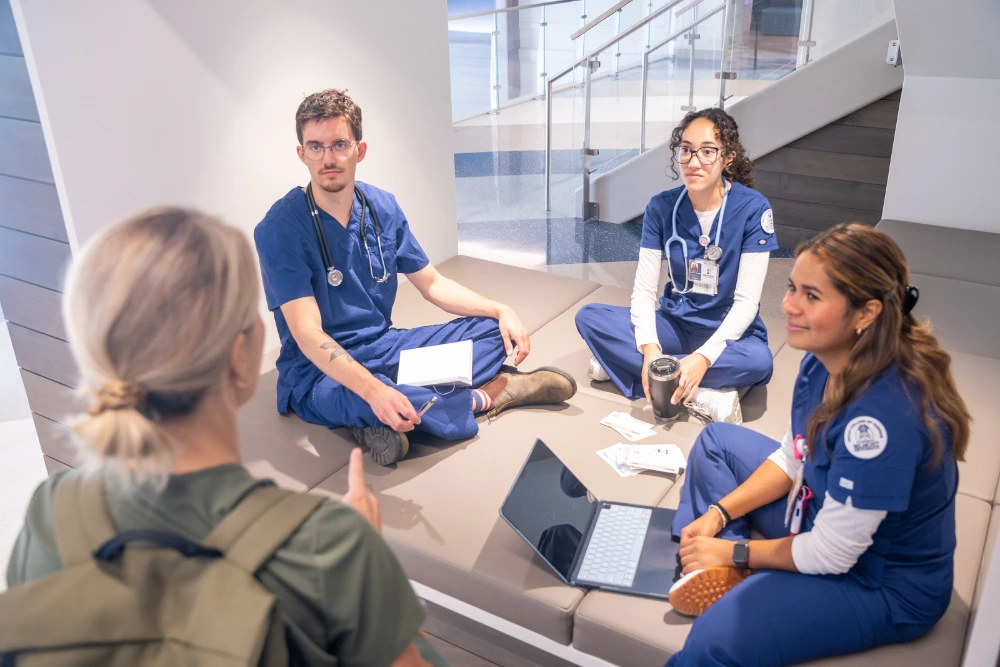 Nursing students spend a lot of time learning about health conditions, medications, assessments and evidence-based care. Clinicals allow them to actually apply that knowledge to real patient needs and see how different concepts work together.
Rather than studying a condition only in a textbook, students can observe how it affects a patient, contribute to a care plan and learn how nurses adapt care based on changes in the patient’s condition.
Develop Clinical Judgment and Critical-Thinking Skills
Patient care rarely follows a predictable pattern. Nurses must recognize important information, prioritize competing needs and decide when a change requires action.
During clinicals, students practice these skills in a supervised environment. They learn to assess situations carefully, communicate concerns and use evidence to inform their decisions.
Build Confidence Through Hands-On Experience
Many students begin clinicals feeling uncertain or nervous about providing patient care. Confidence develops as they repeatedly practice nursing skills, receive feedback and become more comfortable in health care environments.
The goal is not for students to know everything on their first day. Instead, clinical experiences allow them to gradually take on more responsibility as their knowledge and abilities grow.
“There is something powerful about the transition that happens when students realize, ‘I can do this,’” Dell’Aquila said. “The first time a student independently recognizes a patient’s change in condition, communicates a concern to the nurse or successfully applies something they have practiced in simulation to a real patient, they begin to see themselves as a developing professional nurse.”
Strengthen Communication and Teamwork
For nurses, communication is key! Nurses communicate constantly with patients, families, physicians, fellow nurses and other health care professionals. Clinicals give students opportunities to practice listening, explaining information clearly, documenting care and contributing to an interdisciplinary team.
Students also learn how to communicate compassionately with people who may be experiencing pain, uncertainty or fear.
Explore Nursing Specialties
Clinical rotations introduce students to different patient populations, specialties and care settings. A student may discover an interest in pediatrics, public health, critical care or another field they hadn't previously considered.
Just as importantly, experiencing different areas can help students determine which environments and responsibilities best align with their strengths and career goals.
Build Professional Connections
Clinical placements allow students to learn directly from practicing nurses and other health care professionals. These relationships can provide mentorship, professional references and a clearer understanding of what employers expect from new nurses.
In some cases, students may later pursue employment with an organization where they completed a clinical rotation.
What Do Clinicals Give You After Graduation?
Nursing clinicals give students practical experience that helps prepare them to transition from nursing school into professional practice with confidence.
By graduation, students have had opportunities to care for patients, communicate with health care teams, manage responsibilities and apply their knowledge in real clinical environments. These experiences can make the transition into an entry-level nursing role feel more familiar and manageable.
How Difficult Are Nursing Clinicals?
 Nursing clinicals can be challenging, particularly as students adjust to long shifts, unfamiliar environments and the responsibility of caring for real patients. However, students complete clinicals under supervision and are not expected to perform skills independently before they are prepared.
Common challenges may include:
- Balancing clinical hours with classes and studying
- Adjusting to early mornings or long shifts
- Communicating with patients for the first time
- Applying classroom knowledge in fast-moving situations
- Receiving feedback and learning from mistakes
- Encountering illness, grief or other emotionally difficult situations
- Becoming comfortable asking for help
These challenges are also part of what makes clinicals valuable. With each rotation, students become more comfortable navigating health care environments, communicating with patients and responding to new situations.
Students should expect to be challenged, but they should not expect to face those challenges alone. Clinical instructors, faculty members and practicing nurses provide oversight, answer questions and help students develop their skills safely. Curiosity, preparation and a willingness to receive feedback are more important than arriving with complete confidence.
How to Prepare for Nursing Clinicals
When it comes to starting clinicals for the first time, students should arrive ready to learn, communicate professionally and ask for guidance when they need it.
Before a clinical shift:
- Review relevant nursing concepts and skills.
- Follow the program’s dress code and appearance guidelines.
- Confirm the location, arrival time and parking arrangements.
- Bring any required identification, documentation and equipment.
- Arrive early enough to begin the shift prepared.
- Review patient information and complete assigned preparation.
- Set one or two learning goals for the day.
During clinicals, students should stay engaged and look for appropriate opportunities to practice. Asking thoughtful questions, listening to feedback and observing how experienced nurses communicate and work can be just as valuable as performing a particular skill.
After each shift, reflecting on what went well and what felt challenging can help students identify areas for continued growth. Clinicals are designed for learning, so students should not be discouraged when they don’t know an answer or need additional practice.
Frequently Asked Questions About Nursing Clinicals
Still curious about what nurse clinicals will be like? Explore our FAQ below for more insight and tips.
No, nursing students generally do not get paid for clinicals. Clinical rotations are educational experiences completed as part of a nursing degree rather than paid employment. Although they are unpaid, clinicals provide required hands-on experience and may help students build connections with potential employers.
Whether students can choose a clinical site depends on the nursing program. Some schools assign all clinical placements, while others may ask students to help identify appropriate sites. At Belmont, the Inman College of Nursing coordinates placements with trusted health care partners so BSN students do not have to secure clinical sites independently.
Yes, nursing students complete clinicals under the supervision of clinical instructors, faculty members, licensed nurses or approved preceptors. The level and type of supervision may vary depending on the program, clinical site and skills being performed.
Yes, nursing clinicals can help lead students to future job opportunities. Nursing clinicals do not guarantee employment, but they can help students build professional relationships and learn about potential employers. Some graduates pursue positions with organizations where they previously completed clinical rotations.
Begin Your Nursing Journey at Belmont
Nursing clinicals give students the opportunity to transform knowledge into action and prepare for their career as a nurse. Through supervised patient care, aspiring nurses develop the technical skills, clinical judgment, confidence and compassion they need to enter professional practice.
At Belmont University’s Inman College of Nursing, BSN students begin gaining clinical experience as early as their sophomore year. Through placements at leading health care organizations across Nashville and beyond, students encounter diverse patient populations, explore nursing specialties and progressively prepare for the responsibilities of RN practice.
Learn more about nursing at Belmont