

Classroom strategies for teaching virtue, character and vocation in service to the common good.
When planning her British Literature course, Dr. Jayme Yeo noticed a gap. The learning outcomes outlined in her syllabus were essential, but they only got her part of the way down the road she hoped to walk with her students.
“When we read, we practice empathy. We learn how to listen,” she said. “I want my students to see that our assignments in class are really just practice for life.”
Across Belmont, faculty are asking similar questions: How does character develop in schools? How do teachers cultivate virtue in the classroom? And how can educators help students discover a sense of purpose in their future work? Increasingly, faculty are exploring those questions through the lenses of character education and vocational discernment.
As Director of the Teaching Center, Yeo wanted to make space for other educators connecting discipline-specific outcomes with the deeper aims of whole-person formation. This instinct resonates with teachers at Belmont, who are designing for both using two frameworks: character education and vocational discernment.
What is Character Education?
Character education is an approach to teaching and learning that helps students develop intellectual, moral and civic virtues alongside academic knowledge. Rather than viewing education solely as the transfer of information, character education encourages students to cultivate habits, values and behaviors that help them flourish in work, relationships and civic life.
While most virtues are good in any setting, certain virtues become essential within specific kinds of work. “It’s great to be someone who is diligent and patient. But these virtues are critical when working in a scientific lab. You simply can’t get the results without them,” shared Yeo. “If that’s the case, then why don’t we craft our assignments towards those virtues our students need to thrive in the field?”
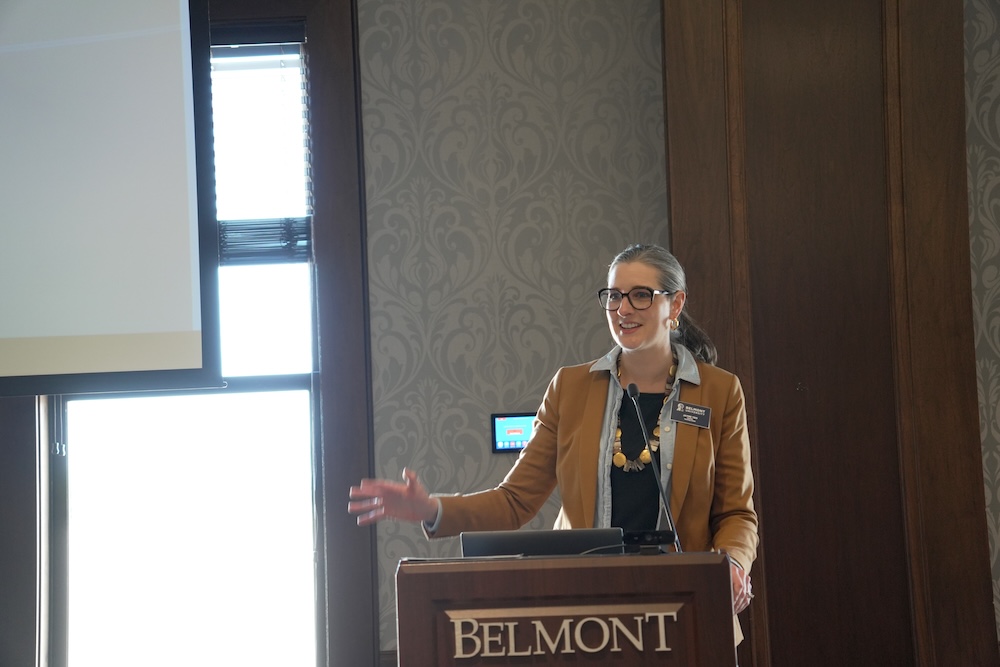
That question inspired Yeo to host “Teaching for Meaning and Purpose,” a Teaching Center panel where Belmont educators shared how they prioritize character, virtue and vocation in their own courses.
How Does Character Develop in Schools?
Research oncharacter education suggests that character develops not only through what students learn, but also through whom they learn from and how they practice virtue in everyday life.

One panelist, enrolled in the Master of Arts in Character Education Program at the Jubilee Centre for Character & Virtues, shared the Centre’s framework for developing character in schools. According to the framework, character can be:
- Taught through course instruction.
- Caught through role modeling.
- Sought through learning and practice.
How Do Teachers Cultivate Virtue in the Classroom?
Belmont faculty are answering that question in ways specific to their own disciplines. Panelists shared three examples from their own classrooms:
1. Learning from a moral exemplar –
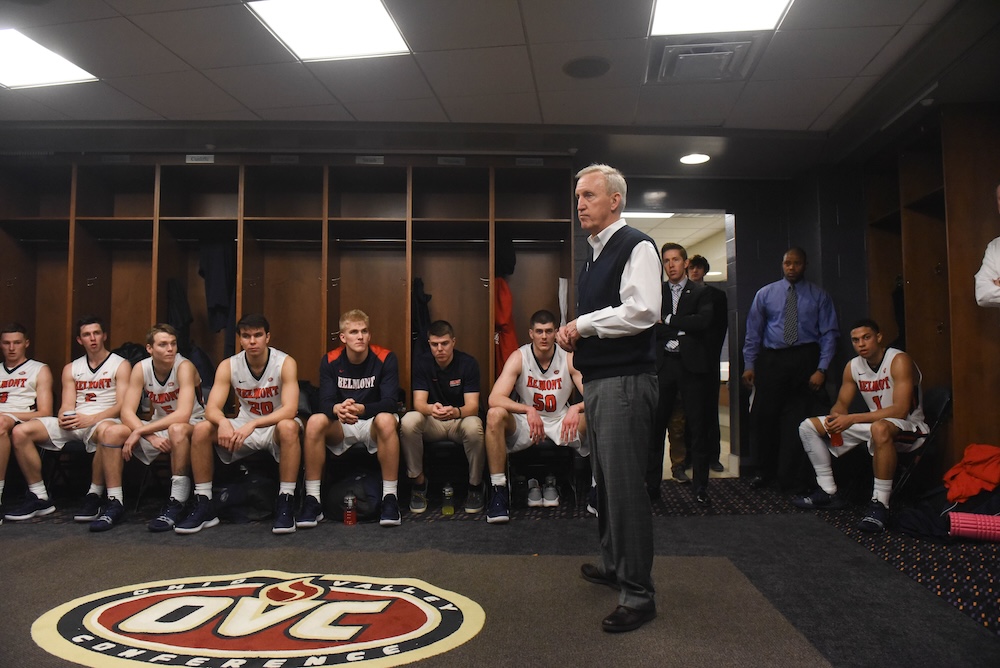
As part of the Rick Byrd Character and Leadership Initiative, Sport Administration students in Ted Peetz’s Authentic Leadership course study character as an embodied practice, examining the legacy of Rick Byrd, Belmont’s Hall of Fame basketball coach.
“We didn’t touch the X’s and O’s of basketball strategy,” Peetz said. “We’re looking at Coach Byrd as an exemplar of humility and excellence in action.”
3. Designing virtue-based projects – For Emmanuel Saka in Experiential Design, the virtues
of gratitude and curiosity anchor every project. “In my classes, I want students to ask themselves two questions: what character strengths do I have and how can I continue developing them in service of others?” This semester, he’s leading a project called Curiosity Bridge that puts students in conversation with community members from different generations and cultural backgrounds to build socially responsible designs.

What is vocation?
At Belmont, vocation is understood as:
"A lifelong journey of continually listening for the way I am uniquely called to love and serve my neighbor through my life and work to contribute to the common good."
This emerging definition was developed by Belmont’s NetVUE Vocation Across the Academy team, led by Mary Claire Dismukes, director of career and professional development. Four principles guide vocational exploration across Belmont’s 12 colleges:
- Vocation is a continual journey, not a single decision made at graduation.
- Vocation is a mutual responsibility, strengthened through relationships with mentors, peers and community.
- Vocation is an invitation to listen and learn from the stories and experiences of others.
- Vocation is a call to serve others, extending the purpose of our work beyond self-interest.
What is Vocational Discernment and How Can Educators Support It?
Vocational discernment is the ongoing act of receiving, examining and pursuing a vocational calling. Vocational discernment is not limited to choosing a career. It involves ongoing reflection about one’s gifts, responsibilities, relationships and opportunities to contribute to the common good throughout life.
It works alongside character education, and faculty and staff can support it in ways that go beyond traditional career advising:
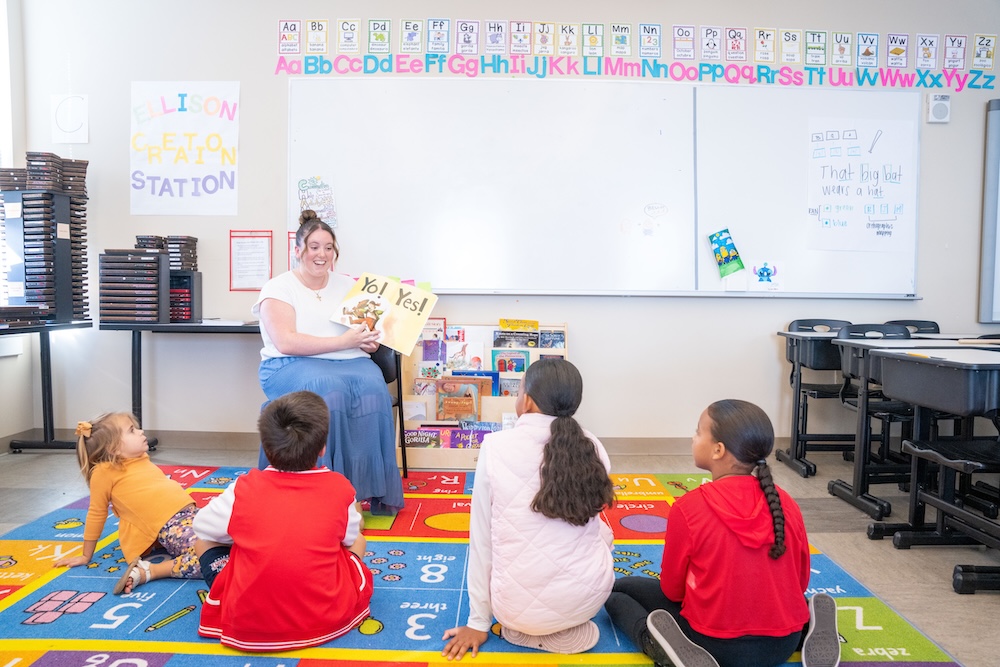
- Embedding purpose-focused questions within coursework, challenging students to connect their learning to a deeper sense of purpose.
- Inviting guest speakers with varied lived and professional experience, especially those whose paths involved unexpected turns.
- Embracing innovation and course redesign, designing and adjusting assignments to connect students with opportunities to engage their interests in the classroom.
What Support Does the Teaching Center Offer?
Faculty interested in incorporating character education, vocational discernment and other evidence-based practices can find support through Belmont’s Teaching Center.
Housed within the Belmont Formation Collaborative, the Teaching Center has helped faculty and staff develop as teachers for more than thirty years. “The Teaching Center welcomes all teachers at Belmont, regardless of whether your role is full-time faculty, part-time faculty or staff,” shared Yeo.
The Teaching Center offers support to educators interested in improving their craft or connecting to research within the scholarship of teaching and learning. Throughout the year, the Teaching Center hosts a variety of programming and events including lunch discussions, workshops and one-on-one consultations.
Character Education and Vocational Discernment: What’s the Connection?
For Belmont faculty, character education and vocational discernment are not separate from academic learning. They are woven into the classroom experience itself through what the Belmont Formation Collaborative calls “whole-person formation,” helping students develop the knowledge, virtues and sense of purpose needed to contribute meaningfully to their professions, communities and the common good.
Whether through reflective assignments, community-engaged projects, mentorship or discipline-specific conversations about virtue, Belmont educators are helping students consider not only what they will do after graduation, but also who they are becoming along the way.
More about the Belmont Formation Collaborative
Launched in 2025 with funding from the Kern Family Foundation and the Lilly Endowment’s Educating Character Initiative, the Formation Collaborative exists to be a catalyst in forming the Belmont community – faculty, staff, students and partners – to lead with character, competence and a commitment to the common good.
Learn More
Discover formative education at Belmont