

After discovering a love for teaching in critical care, the Belmont alumna found a path to the classroom through the DNP Leadership & Innovation track
It wasn’t Dr. Karlee Hedrick’s plan to become a nurse educator. But wherever she worked, someone seemed to hand her a new nurse to train.
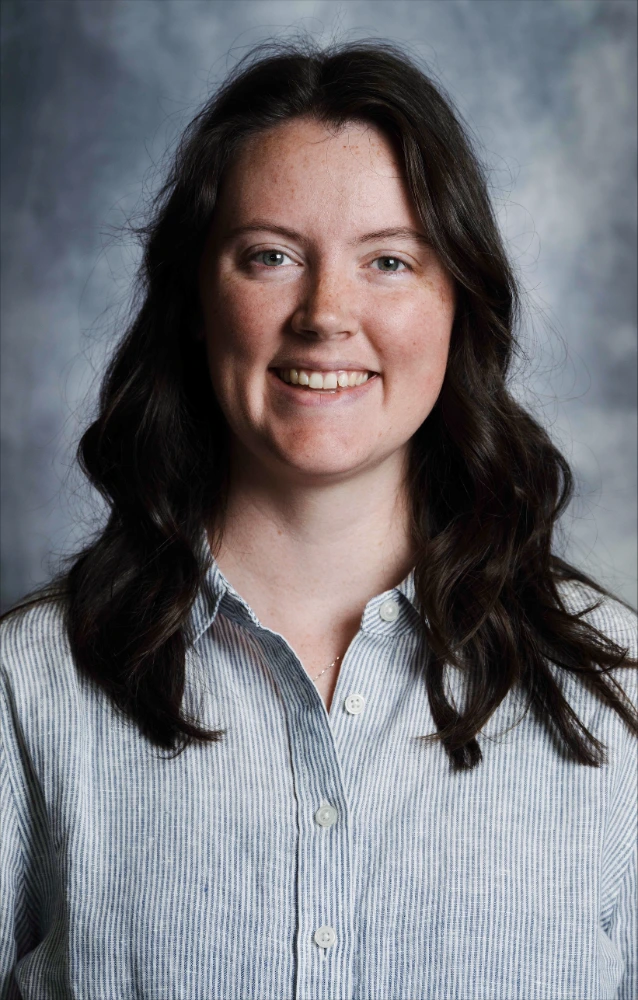 Hedrick spent her career in critical care, caring for children and newborns in emergency departments, the neonatal intensive care unit and as a flight nurse. Along the way, colleagues noticed that she was exceptionally good at helping new nurses find their footing. She began precepting new hires, then joined committees that developed education for her department and taught fellow nurses about trauma care.
“Within nursing, I found a passion for teaching,” she said.
That growing interest brought Hedrick back to Belmont University, where she had earned her undergraduate nursing degree, to enroll in the Doctor of Nursing Practice Leadership & Innovation track to become a nurse educator. Now, in her first semester as a full-time faculty member, she teaches B.S.N. students and helps them connect what they learn in class with patient care.
Seeing What Nursing Leadership Could Look Like
Hedrick knew she wanted to teach when she entered the D.N.P. program. What surprised her was how many places nurses could make a difference, both in and out of traditional care settings.
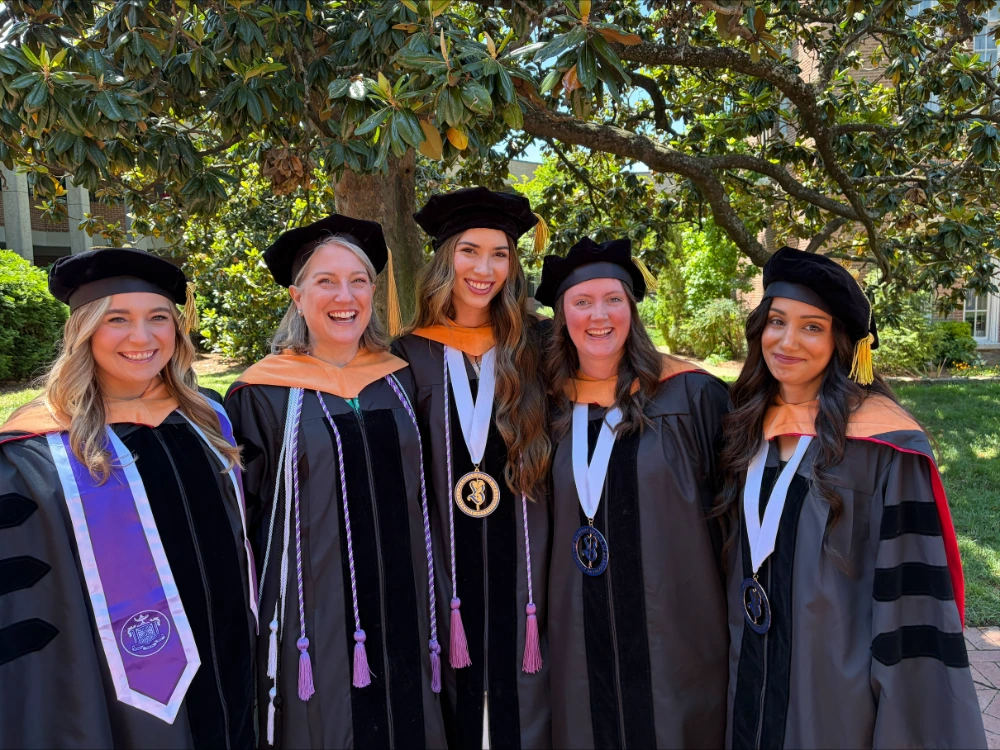 The Leadership & Innovation track prepares nurses to lead in healthcare organizations and beyond, with coursework and practicum experiences focused on innovation and change across systems. Hedrick learned quickly about the critical roles that nurses play in fields like architecture, management and law.
“I didn’t realize how many areas a nurse has such a strong voice,” she said.
That wider view of leadership helped her think about the kind of educator she wanted to be. Through a nurse faculty program, Hedrick took courses that let her dig into the craft of teaching: how to build a useful rubric, design learning activities and recognize what students understand.
“There’s more to evaluating student learning besides exams,” she said.
Now that she is grading her own students’ work, she is thinking through questions those courses raised: How often should she grade? Does a rubric help her assess students fairly and consistently? She does not have every answer yet, but she has colleagues willing to help her learn, much as experienced nurses helped her when she first entered practice.
In her first classroom course, Hedrick is teaching evidence-based practice, a subject that asks students to look closely at the research behind patient care. Her goal is for them to be able to read an article, judge whether the evidence is sound and decide whether it applies to a situation they face as nurses. Just as important, she wants them to feel comfortable asking why something is done a certain way, a question they can carry with them into their clinical experiences.
Making Room to Learn by Doing
Hedrick is on a mission to make sure her students connect their coursework directly to the patients they care for during their clinical rotations. For that reason, her teaching is conversational, and she makes a point of asking students what they’re learning and where they’re finding it challenging. Those conversations help her connect course concepts to the decisions nurses make with patients, while giving students room to ask questions and try things for themselves.
“Your students love to talk,” she said. “They want to share and have a relationship with you.”
Once she knows how students feel about what they’re learning, she can look for patient assignments that help them put those concepts into practice. She also seeks out opportunities to let students be hands-on. Some have told her they are surprised when she invites them to perform a task instead of watching an instructor do it, but Hedrick remembers needing that chance to try, with someone there to guide her.
Her approach is shaped by her DNP scholarly project on trauma-informed care, which explored how people’s experiences can affect the way they learn.
She brought that perspective into her new classroom this semester when she noticed a student sitting in the back, drifting in and out of the lesson. Instead of writing him off, she decided to dig deeper. During their next class, she pulled him aside and explained the class expectations, listened to his perspective and kept getting to know him through small conversations about his day and his assignments.
The next time she saw him, he had moved to the front of the room.
“I just think that I would do better in this class if I sat in the front,” he told her. Soon, he was taking notes and volunteering answers as the class reviewed quiz questions.
“I think that was my first moment of realizing that maybe I was making a difference,” she said. “Even though I don’t know everything there is to know about evidence-based practice, I’m at least encouraging these students to be here, be curious and learn. And it’s OK not to know everything.”
Coming Full Circle
Hedrick is candid about how much she is learning in her first full-time faculty role. When she needs a reminder of the kind of teacher she hopes to become, she thinks of Dr. Elizabeth Morse, director of interprofessional flourishing and associate professor of nursing.
 Through the track’s competency-based approach, Hedrick revised assignments until she demonstrated what she had learned. Morse held her to that standard while making her feel known and supported.
“I want to know you, and I also want to build you up,” Hedrick said, describing the care she experienced. Now she asks herself how to bring that same warmth and sense of safety to her students.
As a Belmont student, Hedrick heard clinical sites say they wanted to hire Belmont nurses, something that made complete sense once she was working alongside them. She saw nurse leaders whose clinical skills were matched by compassion and whole-person care.
Now she has a chance to help students develop both and shape the next generation of nurses. For the B.S.N. graduate who once found herself showing new colleagues the ropes, it feels like a natural next step.