
The 2026 SURFS Application is Now Open
 The 2026 summer application closed on January 15th. As part of the application, you will be asked to explain broadly why you are interested in participating in SURFS. You will also be able to select up to 4 faculty mentors who you are interested in performing research with (faculty listed below). On your application, you will be asked to explain why you have selected the faculty mentors. Finally, SURFS is geared toward students with little or no previous undergraduate research experience. You will be asked about your previous experience on the application and that will be reviewed in the selection process. Please be thoughtful and thorough in your application! Email Beth Bowman with any questions you have!
Please apply after your fall grades are in. The application is posted early so that applicants can view it and start to prepare their materials.
SURFS 2026 will run from May 26-July 2 with move-in on the morning of May 26 and move-out on the afternoon of July 2.
2026 SURFS Application
2026 Participant Information
Move in: May 26th, 9:00am-11:00am
Program Start: May 26th, 11:00 Welcome Picnic, 1:00 pm SURFS Orientation, 1034 JAAC
Program End: July 2nd Poster Session, 10:00 & Celebration, 11:30
Move out: July 2nd (1:00 pm – 3:30 pm)
Dress Code
This summer, you will be performing research in a professional environment. While we do not require specific dress, we ask for you to be conscious of your lab or clinical setting. Please also be sure to follow the safety dress rules of your laboratory.
Seminars
We will be offering seminars on applying to graduate programs, putting together a poster, practicing a presentation, and faculty talks.
The housing location will be determined shortly. Students will be provided with double bed rooms, for students staying with us this summer. Some guidelines are below! Check out these helpful guides on our move in day reslife website for what you can and cannot bring into the dorms.
All students staying with us will have abide by regular university policies during the summer including the visitation policy. They will have to check in and out guests during the hours at the front desks.
For check in and out, the students will complete a room condition report with an RA on their arrival and departure and exchange keys and will be responsible for cleaning the space on their departure per our normal checkout processes. They will not need to schedule a time to come check in, we will have the front desk staffed and ready to check the students in as they come.
We will not be providing meal plans for SURFS participants, but you can purchase one on your own.
The cafeteria hours for the summer will be posted when they are available.
You can purchase a meal plan here: https://belmont.sodexomyway.com/
We have gotten special permission for SURFS students to use a kitchen and will email those details. However, because it is a special circumstance there are some things to note. It is your job to keep the kitchen clean because it is a shared space for RAs. If use of the space gets out of hand, they may have to close it up. Please do not let other residents know that you are able to use this space. We have special permission because of the program you are in..
The Recreation center will be open from 8-4 during the week.
Contact Information
Beth Bowman, Program Director
beth.bowman@belmont.edu or 615.979.2870
Belmont Non-Emergency: 615.460.6617
Belmont Emergency: 615.460.6911
Metro Non-Emergency: 615.862.8600
Metro Emergency: 911
General Security Questions/Information: campussecurity@belmont.edu
Citations: citation@belmont.edu
Access Control: acr@belmont.edu
Counseling Services: 615.460.6856 or visit the website
TalkNow provides free 24/7 virtual access to mental health support. Download the TimelyCare app to access TalkNow – once in the app, click “TalkNow” to be connected with a mental health professional for assistance.
Participating Faculty
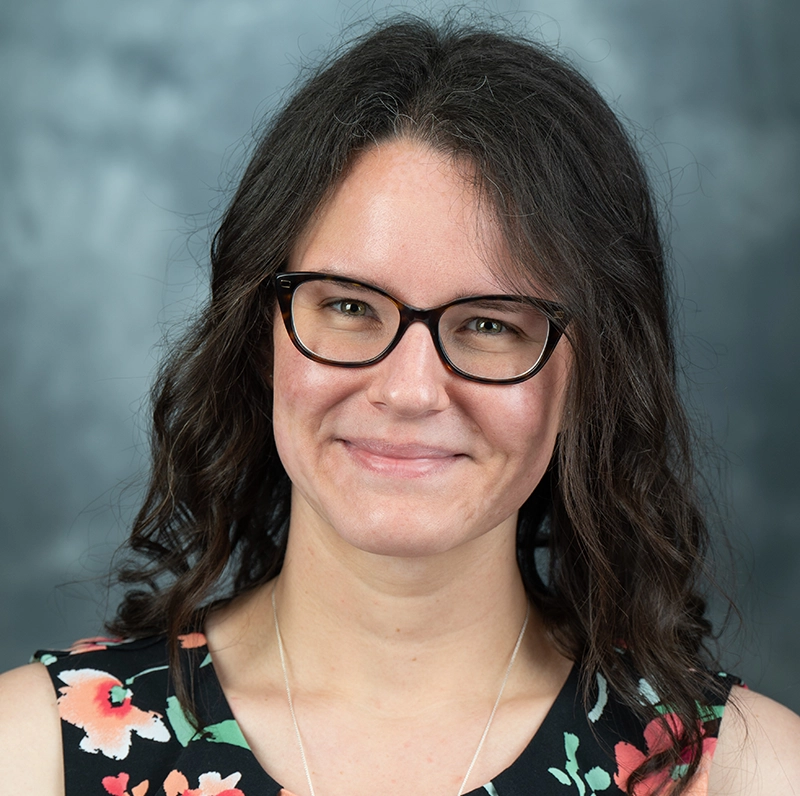 My lab uses a combination of molecular (playing with DNA in a test tube, including molecular cloning and CRISPR), microbiological (playing with bacteria and yeast using aseptic technique), and bioinformatic (using computers to analyze DNA sequences) to explore the fundamental process of how mRNA moves from the nucleus to the cytoplasm. This involves my favorite cell structure: nuclear pore complexes, large doorways embedded in the nuclear envelope, as well as a host of other proteins that mediate the process. Looking forward to talking science with you! :)
Special Skills Taught: Microbiology, Molecular Biology, Bioinformatics
Important Information for Participants: Principles of Biology I required
Email me: rebecca.adams@belmont.edu
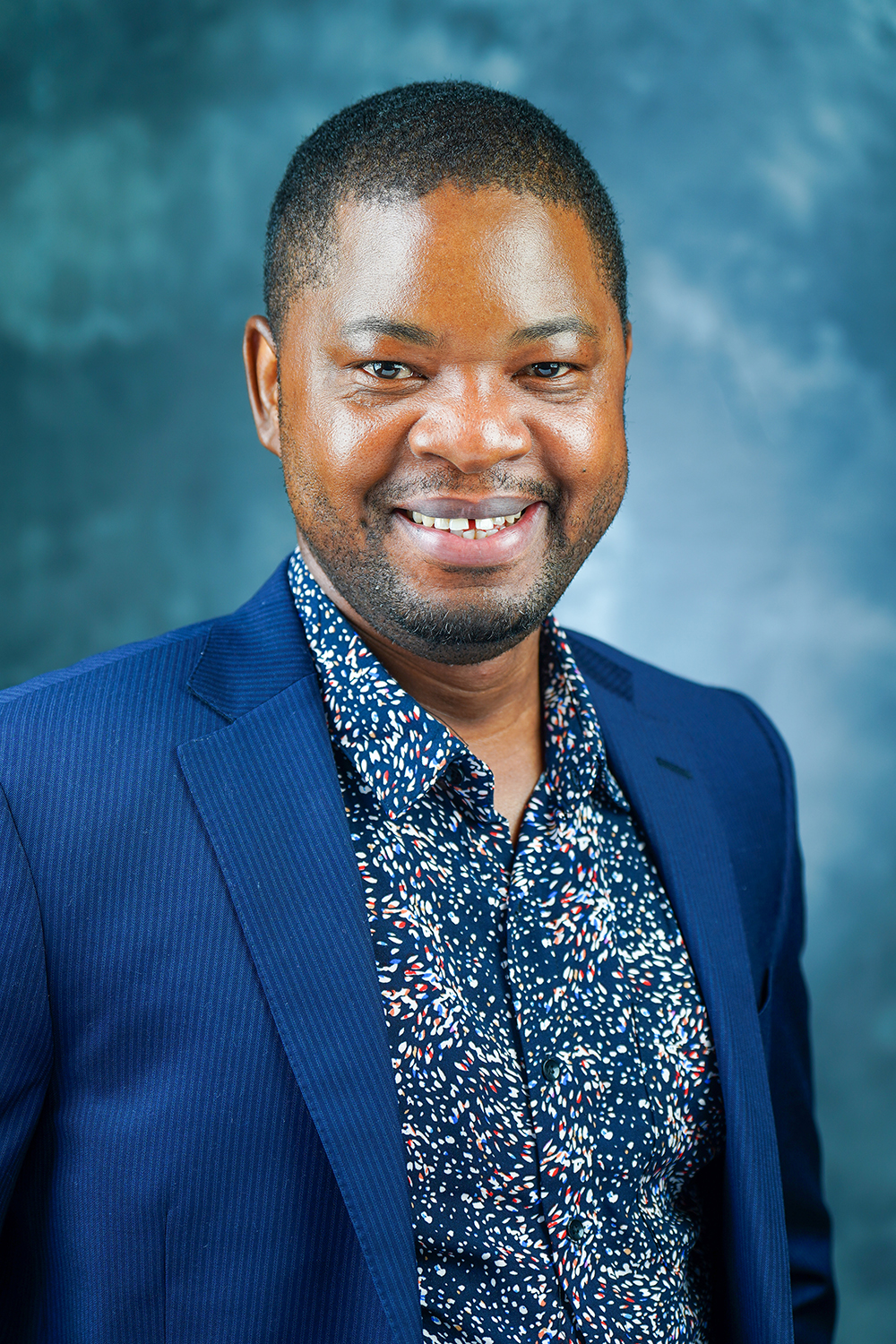 This research program introduces undergraduate students from diverse backgrounds to Data Science research using top-tier journal articles. Students will develop an understanding of Data Science research and develop their own research articles in Data Science.
We will study the fundamental principles and techniques of data science and data mining research. Additionally, we will examine real-world examples and cases to place data science/mining techniques in context, develop data-analytic thinking, and illustrate that proper data science research is as much an art as it is a science.
Special Skills Taught: 1) Review and critiquing data science articles; 2) Identification of critical research gaps/topic; 3) Research Data Analysis; 4) Writing Research Paper
Important Information for Participants: Recommended reading material (Note Required): Social Science Research: Principles, Methods, and Practices, 1st Edition (2012)
Email me: rudy.bedeley@belmont.edu
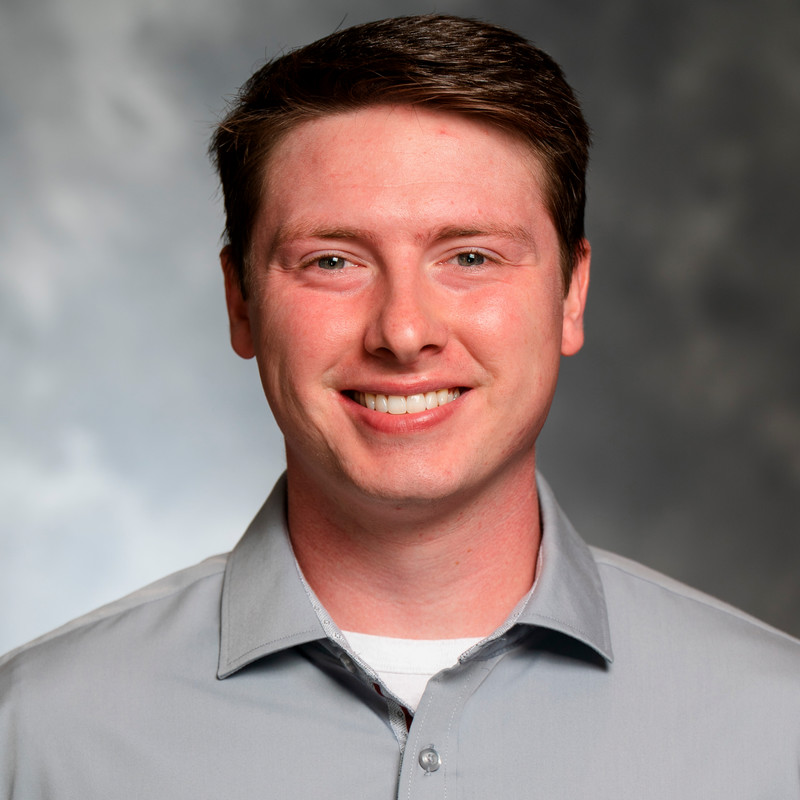 Have you ever wondered how vision can affect your balance and walking biomechanics? This research project explores how changing visual input to the brain can affect a person's balance and walking biomechanics using virtual reality. Using a hands-on approach, students will gain experience in data collection, human movement science, and research design while working in a collaborative environment. This is a great experience to build research skills, strengthen your resume, and contribute to the scientific field of biomechanics, while also learning about motor control and the movement sciences.
Special Skills Taught: Virtual reality, injury prevention, balance, movement analysis, wearable technology
Important Information for Participants: Only an interest and willingness to learn about human performance and balance are needed
Email me: hunter.derby@belmont.edu
 The project investigates the systematic application of AI tools and techniques to create computational solutions and advanced analytics. Participants will evaluate the performance and capabilities of existing frameworks when applied to novel, complex problem domains. The research focuses on the methodical implementation, optimization of data pipelines, and quantitative assessment of the trade-offs between different algorithmic approaches in practice. The goal is to produce a formal analysis of how contemporary AI technologies can be most effectively leveraged to build reliable and efficient data-driven systems.
Special Skills Taught: Participants will build AI solutions to complex problems of customers
Important Information for Participants: Programming skills are required (e.g., CS or DS introductory courses or comparable background)
Email me: jeff.donahoo@belmont.edu
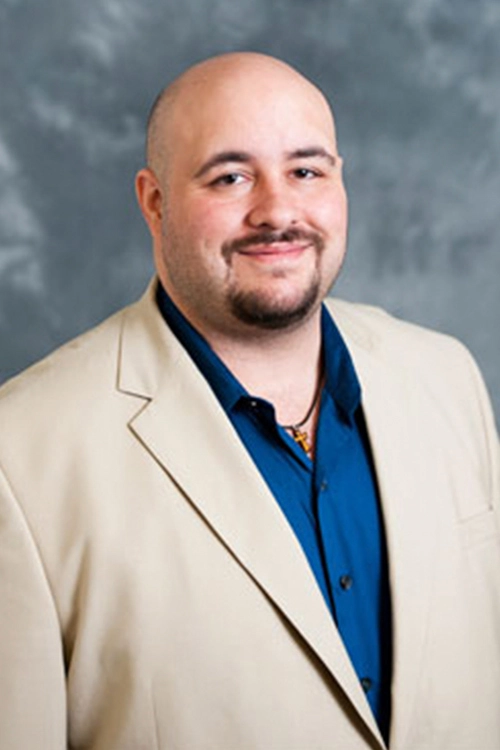 The interaction of electromagnetic (light) waves with matter is one of the most important phenomena that we encounter from day-to-day. It allows us to see the world, to send messages over long distances, and allows plants to generate energy from the Sun. How light interacts with matter depends on its frequency and wavelength. Students in my group have worked on a variety of projects from synthesizing gold nanoparticles in a solution, growing silver nanoparticles in a microscope slide, to electroplating thin films of silver on a glass substrate. In each of these cases, our goal is to learn to manipulate materials at the nanoscale to control their interaction with light.
More recently, my students and I have explored the interactions of electromagnetic fields with living matter. We have exposed zebra fish embryos to 60 Hz electromagnetic fields (e.g., from power lines) to measure any effects on there development. We hope to extend this to microwave frequencies (bluetooth, wi-fi, cellular) in the near future.
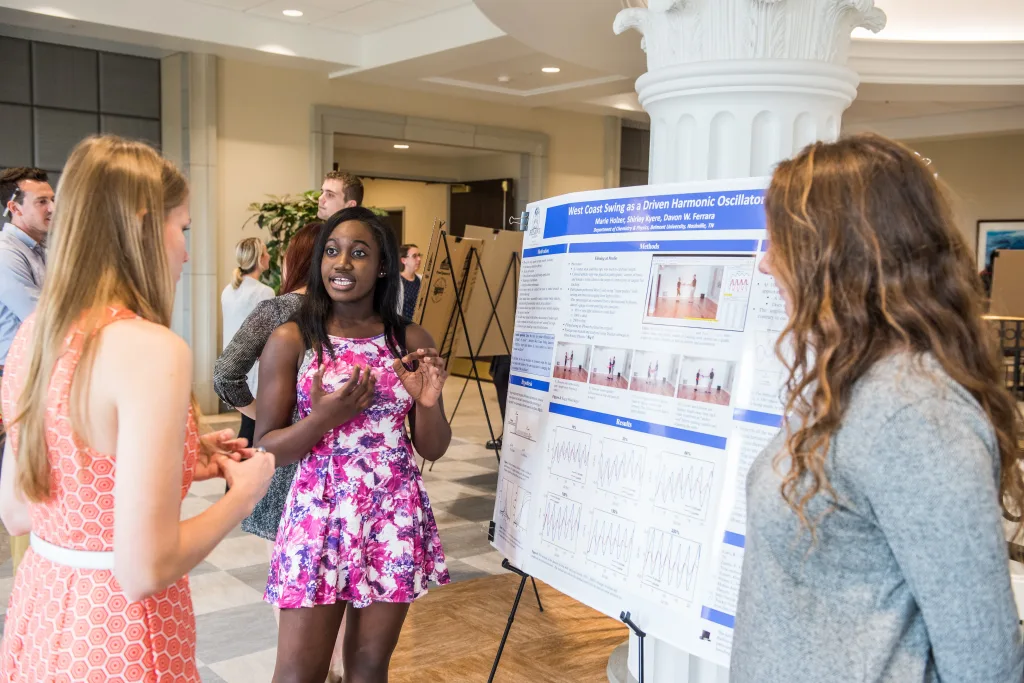
Other projects have included using computational methods to model these interactions.In the past, I've also had students who were interested in various biophysics projects including the physics of dance (West Coast Swing or other forms), using compartment models for viral spread or Parkinsons' medication, and the forces involved in cheerleading or soccer.
Special Skills Taught: Python coding, optical spectroscopy, nanomaterials fabrication, and more
Important skills needed: Projects are available for all skills and course work, but chemistry experience (general chemistry or above) is needed from at least one group member for synthesis projects.
Email me: davon.ferrara@belmont.edu
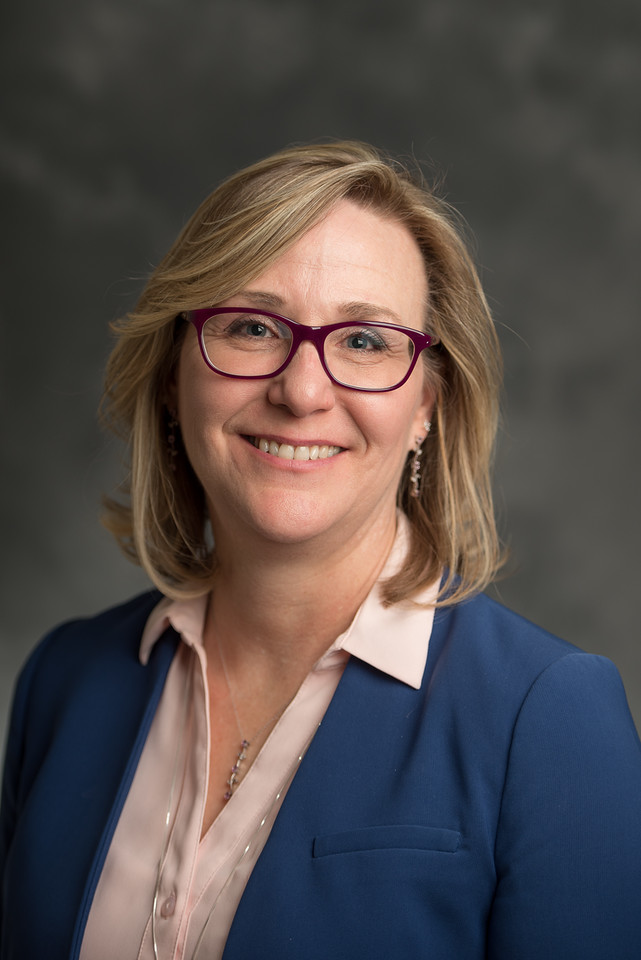 Our research explores how cancer cells communicate and adapt by releasing tiny “packages” called extracellular vesicles (EVs) that carry proteins, RNA, and other biomolecules. These vesicles can promote tumor growth, spread, and drug resistance—making them an exciting target for discovery. Using mass spectrometry–based proteomics, we analyze the complex mixtures of proteins in these vesicles to identify changes that occur under different treatments or isolation conditions. Students will gain hands-on experience culturing cancer cells, isolating EVs using dialysis and electrophoresis, and analyzing proteins through advanced instrumentation and bioinformatics. The ultimate goal is to uncover new biomarkers and therapeutic targets that could help fight cancer.
Special Skills Taught: gel electrophoresis, cell culture, mass spectrometry, proteomics, bioinformatics, UV-Vis spectroscopy, dialysis, chromatography
Important skills needed: Should have completed organic chemistry
Email me: amy.ham@belmont.edu
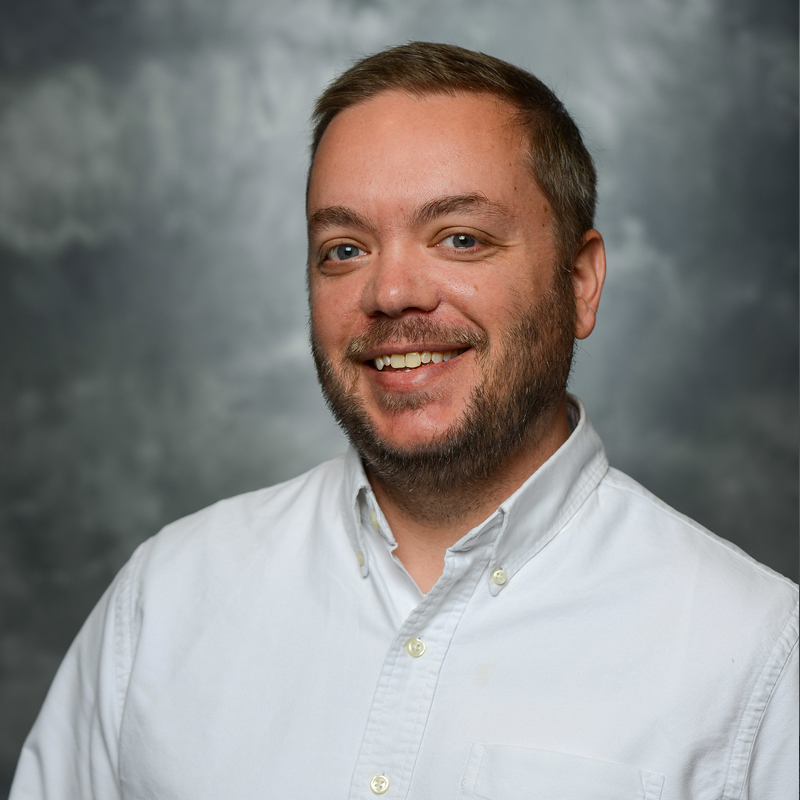 Students will help improve the synthesis of Selenium and Tellurium containing tryptophan precursors.
Special Skills Taught: Organic synthesis, purification of organic compounds, Shlenk line techniques, spectroscopic analysis of organic compounds
Important skills needed: Organic chemistry 1&2 needed. Biochemistry is also helpful.
Email me: duane.hatch@belmont.edu
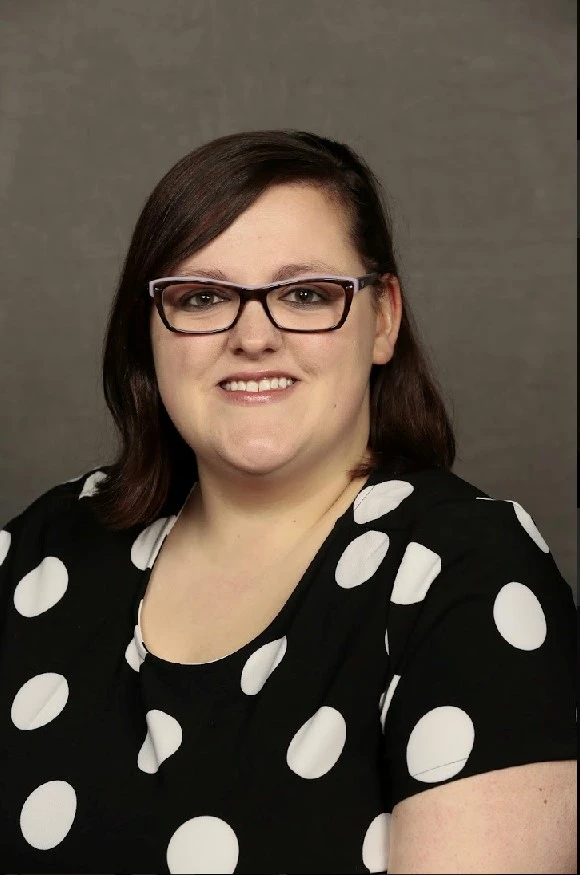 The specific project conducted will depend on the interests of the SURFS participants. We will use survey research to examine the influence of social/environmental (e.g., relationships, stress) and individual (e.g., personality, sense of self) factors on psychological and/or physical health outcomes (e.g., sleep quality, anxiety, depression, life satisfaction). Students will create a study and develop surveys, collect data from participants, and conduct statistical analyses to test their hypotheses.
Special Skills Taught: Survey construction (using Qualtrics), data collection (using Prolific online platform), running and interpreting results of statistical analyses (using SPSS)
Email me: abigail.heller@belmont.edu
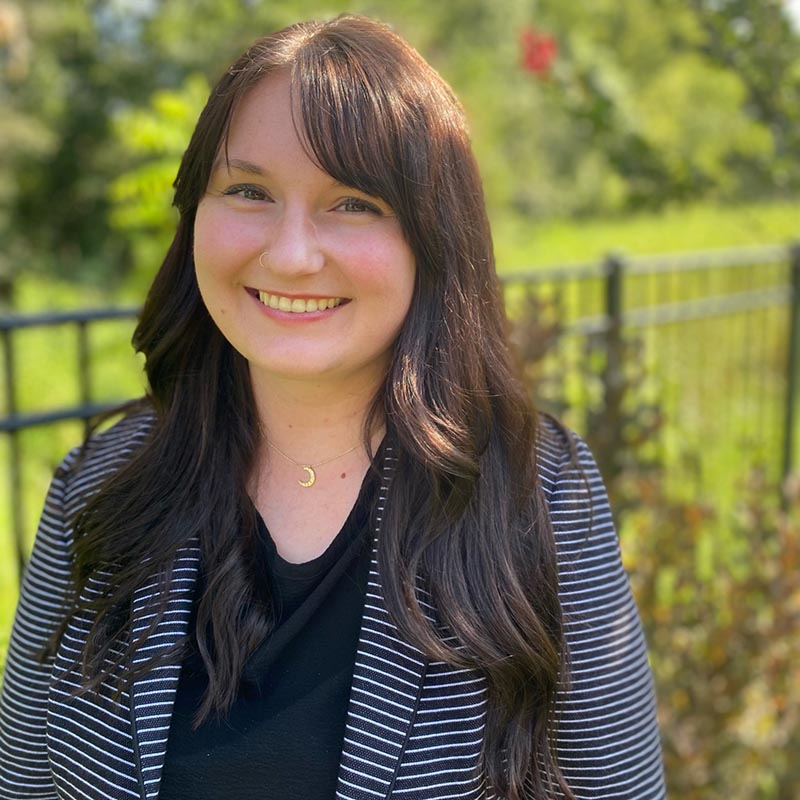 This project will involve designing and conducting an online data collection examining how body image, objectification, identity, and gender influence the educational, physical, and social/emotional outcomes of adults (18+ year olds). Students will learn to develop research questions and hypotheses related to variables that interest them and design/conduct a study testing these hypotheses. After data collection is complete, students will learn how to select the appropriate statistical analyses and how to conduct them in SPSS or R. Finally, students will learn how to present their research for a conference-type setting. This project is flexible and easily adaptable to students’ specific interests!
Special Skills Taught: Literature review, study/hypothesis development, Data collection using Qualtrics/Prolific, Data Analysis in SPSS and R, presenting research
Email me: jessica.hocking@belmont.edu
 My work focuses on how animal structure (ie bones, muscles, and shape) affect their function in a given environment or under varying physiological conditions. I work on a wide range on animals including frogs, fish, turtles, lizards, and insects. In my lab, you will have the opportunity to work with local researchers at Nashville Zoo, Vanderbilt, and Metro Parks conducting lab or field based research. Previous work in my lab has studied, insect flight, infectious diseases in amphibians, muscular anatomy, and locomotor performance. Skills you can learn include advanced dissection techniques, high speed camera analysis, biomechanics, animal husbandry, and field techniques.
Special Skills Taught: Dissections, high speed camera work, animal husbandry, field collection techniques, Electromyography
Important skills needed: physiology classes may be helpful but not necessary!
Email me: chase.kinsey@belmont.edu
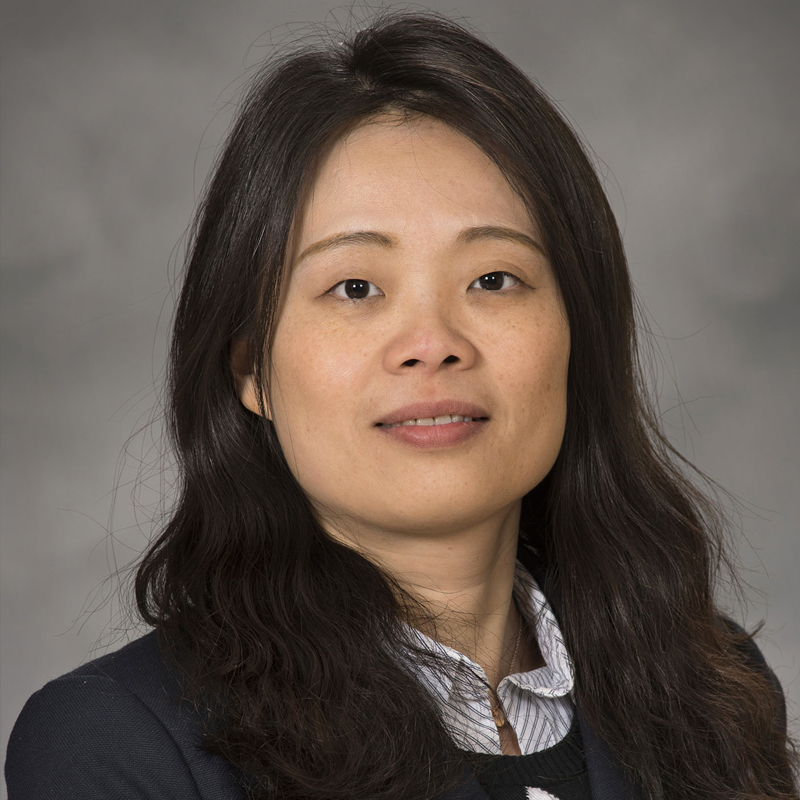 A series of diazonium (perfluoroalkyl)aryl sulfonylimide (PFSI) zwitterionic monomers are planned to be synthesized. These partially fluorinated monomers, containing trifluorovinyl ether and diazonium groups, are designed for polymerization and covalent bonding to carbon electrodes in proton exchange membrane fuel cells.
The 2nd project's goal is to develop theranostic nanoparticles (NPs) that enhance cancer diagnosis and targeted therapy. By combining CDs, FA, and anticancer drugs, these NPs aim to detect early-stage cancer and selectively treat tumor cells.
Special Skills Taught: organic lab synthesis skills, Nuclear Magnetic Resonance Spectroscopy, Infrared Spectroscopy, Ultraviolet–visible spectroscopy, Fluorometer
Important skills needed: General chemistry and labs
Email me: hua.mei@belmont.edu
 Digitoxin is a drug used to treat heart problem, such as heart failure. Preliminary data in my lab shows it decreases the viability of triple negative breast cancer cells. The work is expanding to include other triple negative breast cancer cells to see if this is cell line specific or generalizable. The pathway by which digitoxin is working in these cells will also be explored.
Special Skills Taught: Sterile cell culture, cell viability assays, Western blot analysis
Important skills needed: General chemistry or biology
Email me: marilyn.odom@belmont.edu
 In this work, we will explore the neurophysiological underpinnings of individual differences in cognitive performance. We will use electroencephalography (EEG) to assess brain wave activity in response to various cognitive stimuli. Cognitive domains explored include: memory, attention, language, visuospatial navigation, and more.
Special Skills Taught: EEG net application, EEG experiment setup, ERP data processing, coding, etc.
Email me: michael.oliver@belmont.edu
 Zebrafish embryos are an excellent model for studying development because they grow outside the mother’s body, are transparent, and develop major organs within just three days. These features will allow us to observe developmental processes in real time.
This summer, we will investigate how different chemical compounds affect early zebrafish development. We will treat embryos with various drug concentrations and monitor changes in morphology, heartbeat, and behavior. Through this project, we hope to better understand developmental toxicity and strengthen our experimental and analytical research skills.
Special Skills Taught: Embryo Handling & Staging, Solution Preparation & Drug Dilution, Microscopy & Imaging
Important skills needed: Bio I and Intro Neuro I
Email me: jinhee.park@belmont.edu
 My research investigates how software developers communicate, collaborate, and use AI in the modern software engineering process. I study the intersection of humans, code, and AI —from open-source chat logs to AI-assisted programming tools. This project will explore the MSR'26 and VISSOFT'26 challenges and investigate AI Coding Agents, exploring how AI systems like Claude Code, Cursor, Devin, Copilot, and Codex are performing in software engineering. This study will analyze a large dataset of “Agentic Pull Requests” to uncover common failures, code-quality issues, and security implications—probing why they occur and how early signals can predict PR rejection, review effort, or vulnerability introduction.
Special Skills Taught: coding, data mining, database processing, statistical analysis, writing code and papers
Important Information for Participants: Programming 2 or higher ideal, minimally Programming I
Email me: esteban.parrarodriguez@belmont.edu
Contact Us
College of Sciences & Mathematics
1900 Belmont Boulevard
Nashville, TN 37212
Phone: (615) 460-6417