

The Office of Student Engagement and Wellness staff aims to improve the awareness of and access to wellness and mental health support resources for the whole Frist College of Medicine's student body as we encourage pursuing one’s passions.
Areas of Coverage
Learning Communities
Are essential for promoting student well-being and formation through strategic wellness initiatives and programs. Each student is placed in one of three “Frist Houses”, where students gain academic support and professional development, while building community with their peers in their medical school journey.
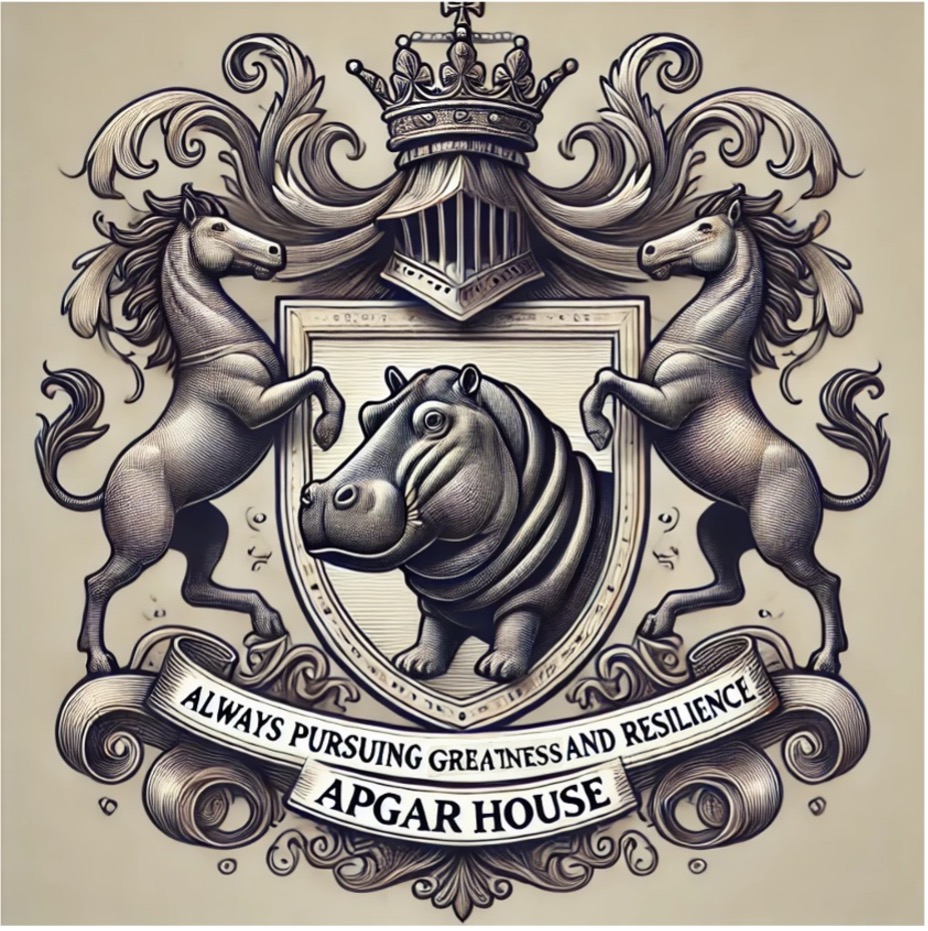 |
Bio: Dr. Virginia Apgar (1909–1974) was a pioneering American physician and one of the first female OBGYN anesthesiologists, widely celebrated for her contributions to neonatology and maternal health. She created the Apgar Score, a quick and vital assessment tool for newborns, after conducting six years of research with over 13,000 babies and recognizing the adverse effects anesthesia could have during childbirth. Her work dramatically improved neonatal care worldwide and helped establish anesthesiology as a formal medical specialty. In 1959, Apgar left clinical practice, earned a Master of Public Health (MPH), and dedicated herself to research and advocacy for the prevention of birth defects. She later served as director of the National Foundation for Infantile Paralysis. Dr. Apgar was also the first female professor at Columbia University College of Physicians and Surgeons, making lasting contributions to medicine and public health. Motto: “Always pursuing greatness and resilience” Values:
Mascot: Hippo |
 |
Bio: Fleming House is named after Alexander Fleming (August 1881 – March 1955) who was a Scottish physician and microbiologist. He, along with Ernst Chain, received the 1945 Nobel Prize for the discovery of Penicillin. He was curious, unique, and present. While serving in WWI, he demonstrated that antiseptics at the time were more harmful than good. After accidentally discovering penicillin, he did not patent it because he wanted everyone to have access to it. He also discovered lysozyme. Motto: “Yesterday is history, tomorrow is a mystery but today is a gift. That is why it is called the present.” Color: Pink Values: Curiosity, Present, & Unique Mascot: Tortoise |
 |
Bio: Henrietta Lacks (1920–1951) was an African American woman whose cells transformed modern medicine and biomedical research. In 1951, while receiving treatment for cervical cancer at Johns Hopkins Hospital, a sample of her tumor was collected without her knowledge or consent. Unlike other human cells studied at the time, her cells continued to grow and reproduce indefinitely in laboratory conditions, becoming known as HeLa cells. These cells have contributed to countless scientific breakthroughs, including the development of the polio vaccine, cancer research, and advances in genetics and virology. Despite their immense scientific value, Henrietta Lacks and her family were not informed of the use of her cells for decades and did not share in the benefits of the research they made possible. Her story brought greater attention to the ethical responsibilities of medical research, including informed consent, patient autonomy, and equitable treatment. Henrietta Lacks’s legacy endures through her contributions to scientific discovery and her lasting impact on conversations about medical ethics, racial equity, and the dignity and rights of patients. Motto: “May discovery never outlive dignity” Color: Black Values:
Mascot: Orca |
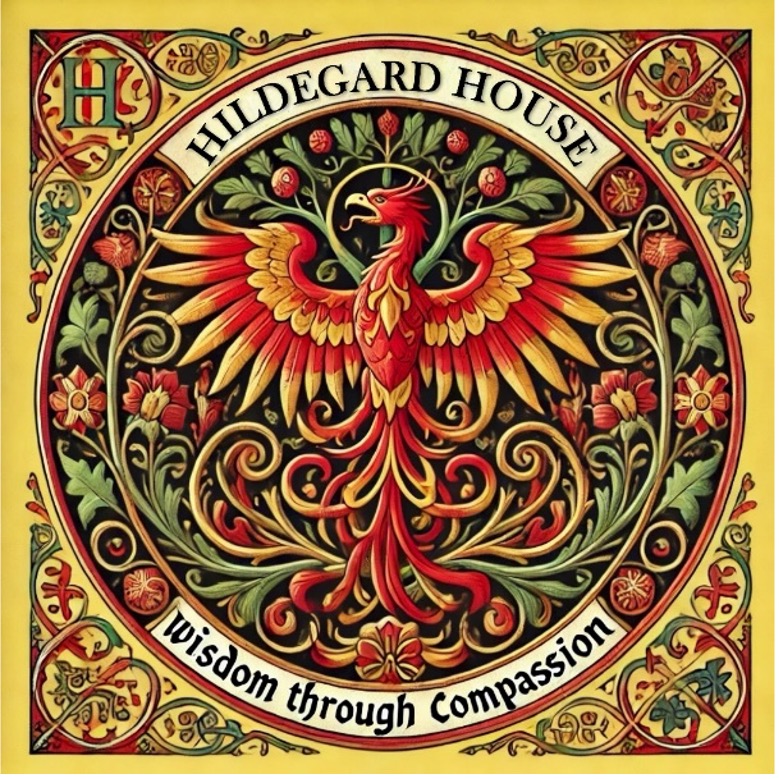 |
Bio: Dr. Hildegard von Bingen (1098–1179) was a groundbreaking 12th-century Benedictine nun whose work spanned theology, philosophy, music, and medicine—a remarkable achievement for a woman of her time. Known for her mystical visions, she documented her experiences and insights in several theological texts, while also composing innovative religious music still revered today. As a writer on herbal medicine, Hildegard’s works, including Physica and Causae et Curae, contain holistic health insights that remain influential. She viewed humans as interconnected with both the physical and spiritual worlds, a perspective that resonates in modern holistic practices, where individuals are treated as whole people, not merely a collection of symptoms. Hildegard’s legacy is celebrated not only in Christian theology but also in fields of medicine and philosophy for her unique approach to the body, mind, and spirit. Her life’s work exemplifies a vision of health and spirituality that transcends time. Motto: “Wisdom through compassion” Values:
Mascot: Phoenix |
 |
Bio: Sushruta (c. 800 – c. 700 BCE) was an ancient Indian physician and surgeon, widely regarded as the "Father of Surgery." He is best known for writing the Sushruta Samhita, one of the earliest records of medical and surgical techniques. This text, composed around the 6th century BCE, describes over 300 surgical procedures, including early forms of plastic surgery, cataract removal, and fracture treatment. Sushruta is particularly credited with developing rhinoplasty, a groundbreaking procedure in reconstructive surgery. His approach emphasized anatomy, surgical precision, and post-operative care, setting standards that shaped the evolution of surgery. His legacy endures through his principle that a surgeon should treat their patient with utmost care, akin to one’s own family. Motto: “Courage, knowledge, duty” Values:
Mascot: Bengal Tiger |
 |
Bio: Dr. Andreas Vesalius (1514–1564) was a pioneering Renaissance physician and anatomist, widely known as the “Father of Modern Human Anatomy.” At a time when physicians relied heavily on ancient anatomical teachings, Vesalius challenged this reliance by personally performing human dissections to study anatomy firsthand. His observations identified errors that had persisted for centuries and demonstrated the importance of learning from evidence rather than simply accepting tradition. In 1543, Vesalius published his findings in De Humani Corporis Fabrica Libri Septem, a groundbreaking work known for its detailed descriptions and remarkably precise anatomical illustrations. His willingness to challenge established beliefs and pursue knowledge through firsthand observation continues to shape how anatomy education is taught today. Vesalius’s legacy reflects the importance of curiosity, observation, adaptability, and intellectual courage, reminding physicians to question assumptions, seek evidence, and continually pursue a deeper understanding. Motto: “Nullius in verba” Color: Viridian Values:
Mascot: Red Fox |
Wellness Check-ins
Students will meet once a semester with the Director of Student Engagement and Wellness for wellness check-in concerning their current state of mental/emotional/physical well-being along with other areas that affect academic life.
Student Wellness Committee
Helps design programming to address mental health issues, organize self-care events, and engage in mentoring, education, and health-related research.
Wellness Retreat
The retreat will feature a series of participatory activities to foster well-being involving faculty mentors as speakers who are experts in resilience and self-care. Each wellness retreat has a different theme and will be geared to each medical school class as they matriculate through the curriculum.
Imperfect Rounds
Lunch-time discussion with deans and faculty on overcoming distraction and deterrents, imposter syndrome, and other issues in the medical school journey hosted once per month.
Ecumenical Roundtable
The Frist College of Medicine will sponsor monthly dinner discussions, support groups, and festivities for students from various faiths to discuss where faith meets medicine.
House/Deans Olympics
The houses compete for bragging rights and the Deans trophy in an annual event. Various competitions occur during the weekend event involving dancing, Top Chef competition, basketball, field events, and more. The winning house is presented with the Dean's Trophy at the end.
Contact
Alex Atkinson
Email: alex.atkinson@belmont.edu
Office Location: FCOM 2105

Annette Schafer
Office Location: FCOM 2100

Contact Us
Thomas F. Frist, Jr. College of Medicine
Office of Student Affairs & Belonging
1900 Belmont Boulevard
Nashville, TN 37212
Phone: 615.460.5700