

Listen to the Episode
About the Episode
Mental health advocate Debbie Carroll joins The Hope People Podcast to discuss caring for the people behind the music, transforming industry culture and why hope grows strongest when we heal together.
Compassion. Community. Resilience.
For more than three decades, Debbie Carroll has walked alongside some of the most creative people in the world.
From her years at MusiCares to her leadership of Belmont University's Center for Mental Health in Entertainment, her mission has remained the same: ensuring that the people who bring beauty into the world have the support they need when life becomes overwhelming.
Debbie believes prevention matters as much as crisis response and that vulnerability is reshaping the music industry. She explains why hope is ultimately found in a community.
“There have been people that have said to me, 'I'm not sure mental health works because look at what's going on.' And of that I respond, 'That just motivates me to do more.' I'm not giving up.”
This episode covers…
- The unique mental health challenges facing artists and creative professionals.
- Why prevention and culture change matter as much as crisis intervention.
- The launch and vision of Belmont's Center for Mental Health in Entertainment.
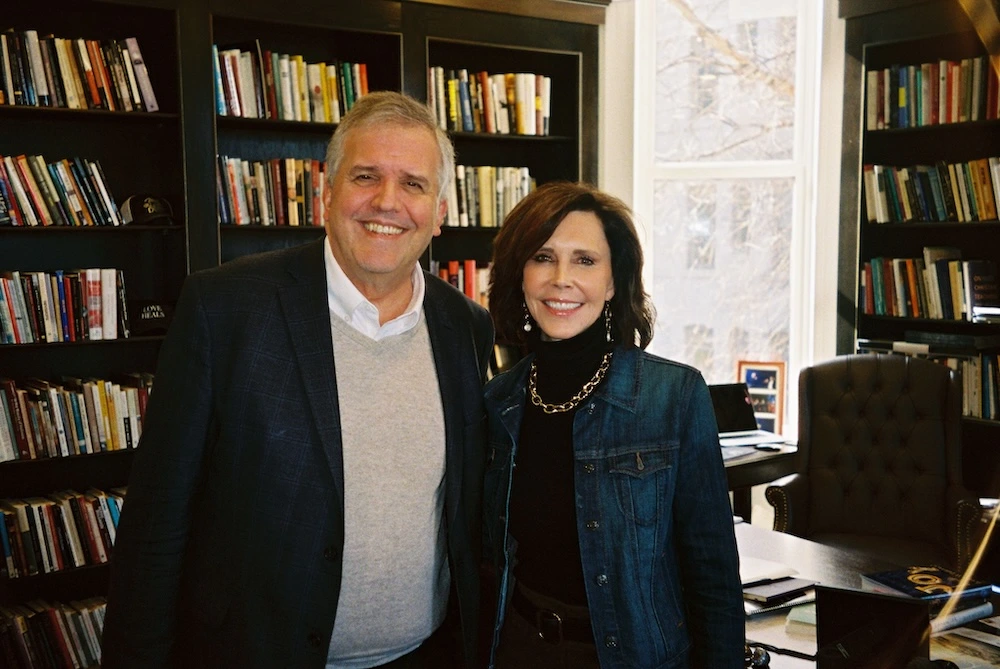
Caring for the People Behind the Music
While many audiences experience the joy that music creates, Debbie Carroll has spent her career caring for the people who create it.
Early in her work with MusiCares, she discovered that the music industry faces challenges unlike almost any other profession.
“They have significant occupational hazards that other industries don't have.”
Debbie explains many artists and industry professionals lack consistent healthcare, paid time off or the support systems available in more traditional careers. When personal crises arise, those safety nets often don't exist.
“When somebody in the industry hits what I call ‘potholes’ in life that we all hit,” she shares, “they don't have a place to turn for support.”
For Debbie, supporting artists meant recognizing their humanity before their success.
“Our programs were developed out of that notion, so how do we support this unique population — that again, gives so much joy to the world — and help ensure that they can get through those times and continue their crafts?”

“How can we support the creative population in a way that helps them continue bringing joy to the world?”
When Success Doesn't Solve Everything
One of the greatest misconceptions about creative careers is that fame, fortune and accomplishment eliminate life’s struggles.
Instead, Debbie has repeatedly witnessed the opposite.
“Some people garner that level of success but then realize they worked so hard for this for so long and this is as good as it gets,” she says. “So why am I feeling so horrible?”
Creative work is deeply personal. Unlike many professions, an artist's work often feels inseparable from identity, making rejection, criticism and isolation especially painful.
She also points to the barriers public figures face when seeking help.
“All eyes are upon them. And so they can't walk into their therapist's office in the same way that I can because there'll be judgment,” Debbie admits. “There's a lot of work to be done in that regard. It should be celebrated that somebody's going to see a therapist versus any type of shame associated with it.”
Reducing stigma, she believes, is essential to changing the culture.
From Crisis Response to Culture Change
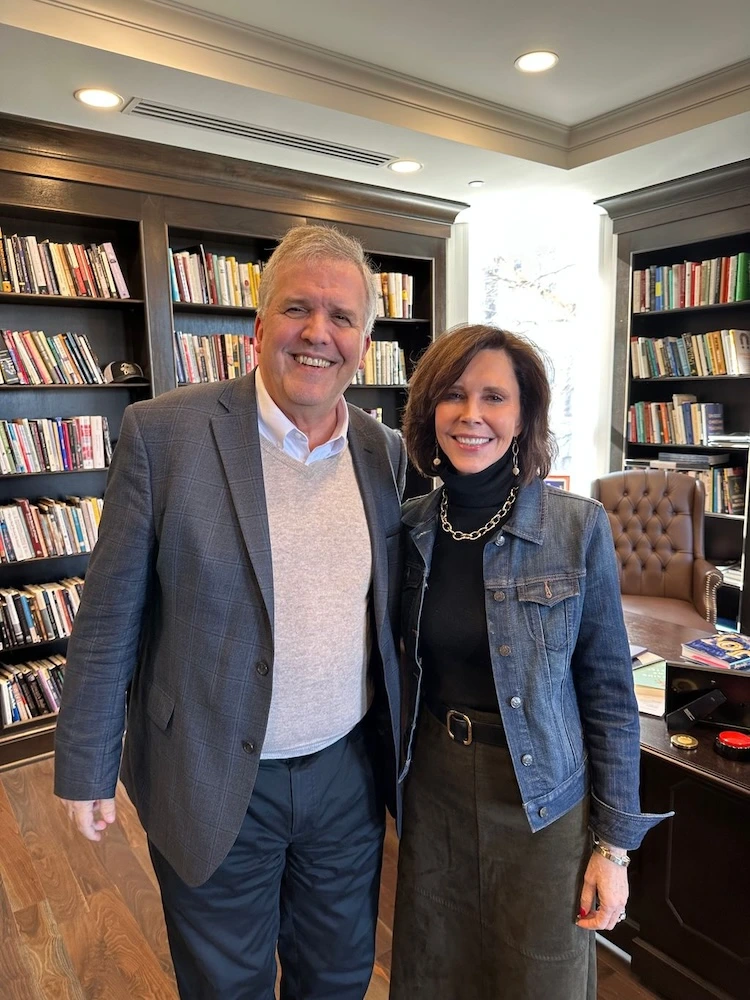 Throughout much of her career, Debbie focused on helping artists through moments of crisis. Over time, however, she realized something even more important was needed.
"We need to do something that's much more proactive.”
Rather than simply responding after problems occur, she believes the future lies in prevention, education and creating healthier environments from the beginning.
“Constantly responding to a crisis just enables poor behavior because it provides support to get through it, but it doesn't do anything to really address the problem.”
Debbie is so passionate about prevention, she would like to see a world where her services and programs are no longer needed.
“Wouldn't it be a wonderful world if we got to the point where the industry was paid a fair wage and that the boundaries and culture was such that it supported artists through whatever life threw at them, and that MusiCares was no longer needed?”
A Path to Emotional Resilience
Debbie’s vision now drives her leadership at Belmont's Center for Mental Health in Entertainment, where the goal extends beyond individual care to transforming the culture itself.
“Belmont is taking a stand in this regard and executing something that no one's ever done before: bridging the education piece with the community at large and that perfect pairing being right at the end of Music Row.”
Debbie hopes the program will educate future leaders in music and those embarking upon a career around emotional resiliency, giving them a “‘thumbnail sketch” of what the industry may look like so then they're better prepared to navigate it.
“Hopefully with those skills, they can change culture,” she says.
If there is one idea that runs throughout Debbie's work, it is that no one heals alone.
“My hope is that the Center will garner the attention of the healthcare industry and beyond because again, there's a lot to be learned,” she says. “Healing happens in community, and impact is a community effort as well.”
Whether supporting an artist backstage, mentoring students entering the entertainment industry or building partnerships across healthcare and education, she believes lasting change is always collaborative.
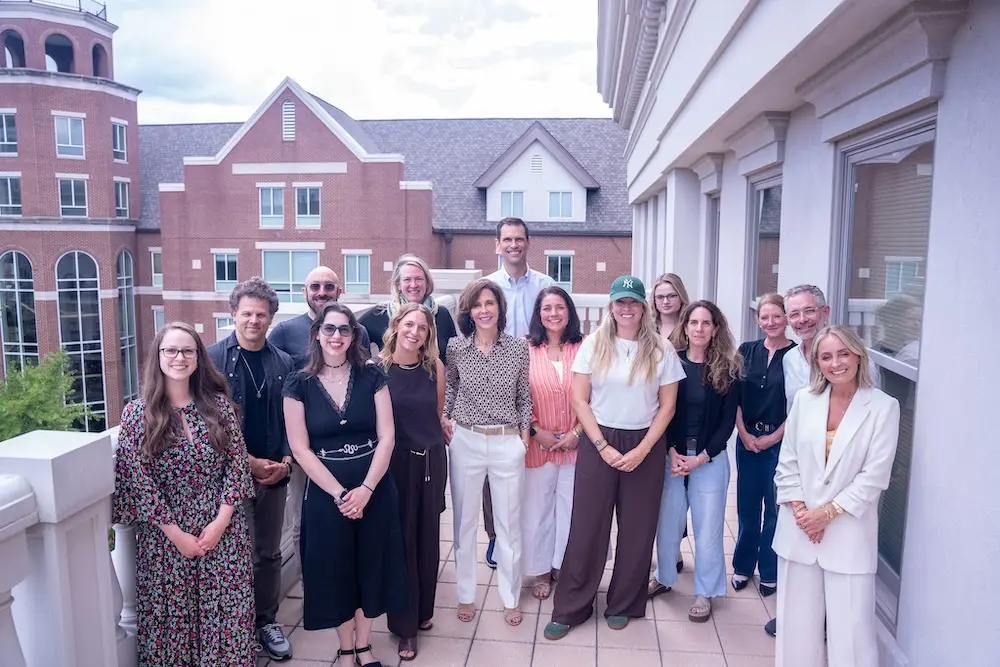
Her vision for Belmont's new center reflects that same philosophy: bringing together educators, researchers, artists, healthcare providers and industry leaders to build healthier communities for generations to come.
Faith That Walks Beside Others
Debbie's work is deeply rooted in her faith. Looking back over her career, she now recognizes a calling she couldn't fully see when she was younger.
“I think, 'Wow, this is my why.'”
Rather than offering quick solutions, she believes hope often looks like simply walking beside someone through their hardest moments.
"I can't walk for you, but I can walk with you and stand next to you."
That quiet presence has become one of the defining principles of her life and leadership: recognizing the power of vulnerability.
Debbie says artists play a unique role in helping people confront difficult emotions. Songs like Jelly Roll’s "I'm Not Okay" and the willingness of artists to openly discuss their own struggles create permission for others to do the same.
“It gives people permission to own the shadow parts or the hard parts.”
And when artists embrace vulnerability, audiences often discover they aren't alone.
“It's in those moments where we connect with another human or we connect with a song that can help us heal and make us feel like we're not alone and that this is part of the human experience and that we're not unique in that struggle.”
Rather than viewing vulnerability as weakness, Debbie sees it as one of the most powerful tools for healing.
Advice for the Next Generation
As students prepare to enter the entertainment industry, Debbie encourages them to pursue excellence without losing themselves in the process.
“Stay curious, stay open, enjoy every moment,” she offers, urging young professionals to establish healthy boundaries, seek wise mentors and cultivate friendships outside the industry that keep them grounded.
Above all, she hopes they remember why they entered the field in the first place.
“It is a beautiful, beautiful industry to be in and it's an honor and a privilege to work amongst this industry that feels like family.”
Debbie Carroll's story is a reminder that behind every performance, every song and every standing ovation are human beings who need care, connection and compassion.
Through decades of faithful service, Debbie has demonstrated that hope isn't simply believing things will get better, it is choosing, day after day, to build communities where healing is possible for everyone.

Stay Connected to The Hope People
Follow The Hope People wherever you get your favorite podcasts, and visit thehopepeoplepodcast.com for ways you can become an Agent of Hope yourself!
For more writings and content from Belmont University and President Greg Jones on the power of hope in our lives, sign up for Greg’s listserv.

Recent Episodes
Stay inspired!
Sign up to be notified about new episodes and more.