

Is this program right for you? | What You'll Learn | Program Details | Outcomes | Career Possibilities | Testimonials | FAQ
Why Choose Belmont’s Hybrid Ph.D. in Mental Health Counseling?
 Belmont’s hybrid Ph.D. in Mental Health Counseling prepares master’s-level clinicians to become the counselor educators, researchers and advanced practitioners the field needs next. Coursework is presented in a hybrid format, and you come to Belmont’s campus for an intensive weekend of face-to-face instruction 3-4 times a semester, so you can pursue a doctorate without stepping away from the practice you have built.
Keeping with Belmont’s understanding of its mission within the context of Christian higher education, this degree program trains master’s-level mental health professionals to accomplish their goals: becoming doctoral-level professors and practitioners ready to train tomorrow’s mental health professionals, or highly skilled clinicians who work with clients across the mental healthcare continuum.
The program helps practicing clinicians move deeper into their vocational calling to the mental health field by training them to be effective and dynamic counselor educators, skilled clinical supervisors, and knowledgeable researchers. This process expands your understanding of clinical work and opens the door to more advanced clinical practice.
Drawing students from diverse backgrounds, Belmont’s faculty and staff represent a broad spectrum of published research and scholarship in areas such as technology and mental health, trauma and resilience, international counseling, family and attachment dynamics, death and dying, and multiculturalism in counselor education, among many more. Our faculty value Christian faith that focuses on hospitality, inclusion, student flourishing. Their diversity of thought will help develop your capacity to consume and produce the most current peer reviewed research and prepare you for the diverse range of populations you will meet in professional practice.
This degree is distinctive among contemporary doctoral counseling programs in that it embodies advanced spiritual and pastoral theological understandings of the care of human beings in addressing the depth and complexity of human suffering.
How the Hybrid Program Works
The Ph.D. in Mental Health Counseling is taught in a hybrid format with some face-to-face components. 3-4 times each semester, you come to Belmont’s campus in Nashville for an intensive weekend of face-to-face instruction. Coursework, advising, and supervision all provided by Belmont’s skilled faculty, and the campus weekends are where the cohort works together in person. While classes are scheduled for only 3-4 weekend intensives, there are broad opportunities throughout the semester for in-person engagement with faculty and peers across research interests. This offers doctoral students an immersive experience across a broad spectrum of research, advanced practice, and issues in counselor education.
Request Information
In Nashville
Nashville is a national center for healthcare and mental health services, and the program is built around that access. Students draw on the city for clinical experience, research partnerships, professional networks and career growth, and they train alongside a diverse client population.
School of Mental Health Counseling Mission Statement
The School of Mental Health Counseling seeks to train professional counselors who will act ethically as agents of the ministries of healing and transformation through efficacious counseling theory, techniques, skills and respect for diversity.
Interprofessional Training
As part of Belmont’s College of Pharmacy & Health Sciences, students in the School of Mental Health Counseling benefit from interprofessional collaboration in the Center for Interprofessional Engagement & Simulation. Within CPHS, you have the opportunity to train alongside other healthcare students in labs and simulation centers designed to mimic real clinical environments, and you graduate able to work effectively on interdisciplinary healthcare teams.
Spiritual Integration
Spiritual and theological perspectives are integrated into our approach to clinical practice and the curriculum itself, rather than just an elective, including the ASERVIC Spiritual and Religious Best Practices. It is the clearest difference between this doctorate and the others you are considering.
Accreditation
Belmont University is accredited by the Southern Association of Colleges and Schools Commission on Colleges (SACSCOC).
The program is in this process of seeking accreditation through the Council for Accreditation of Counseling and Related Educational Programs (CACREP).
Is This Program Right for You?
This doctorate suits master’s-level clinicians who are already practicing and want to go further in one of three directions: teaching and supervising the next generation of counselors, conducting research that changes practice, or deepening clinical expertise with the populations they already serve.
It is built for people who are working, which is why coursework is presented in a hybrid format that allows you to come to campus 3-4 times a semester. It will suit you if you want your faith and your clinical work in the same conversation rather than in separate rooms.
If you are seeking initial licensure as a Licensed Professional Counselor, Belmont’s M.A. in Mental Health Counseling is your starting point, with an option to continue directly into the Ph.D. program.
What You’ll Learn
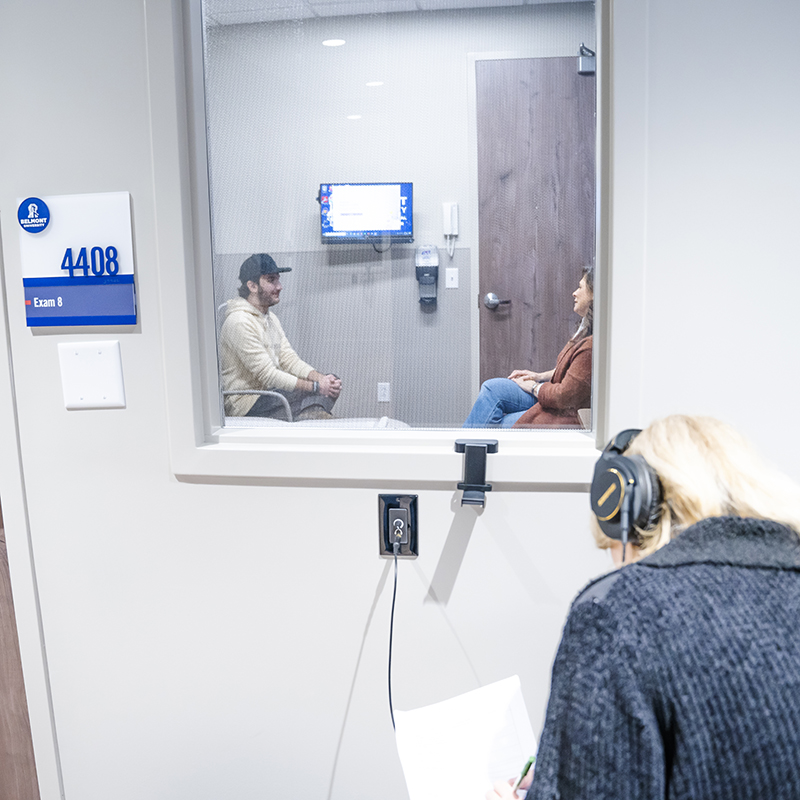
The Ph.D. in Mental Health Counseling trains leaders, teachers and researchers who can integrate the most advanced scientific resources of the field with a comprehensive understanding of human spiritualities and their impact on the health and wellness of diverse populations. Advanced Clinical Practice and Counselor Education coursework prepares you for academic research, teaching, supervision and advanced clinical practice.
In the program you will:
- Teach and supervise counselors-in-training in academic and clinical settings
- Design and conduct research that improves counseling services and treatment efficacy
- Select and apply counseling theories, skills and techniques with demonstrated efficacy
- Practice multiculturally and cross-culturally with diverse client populations
- Apply the ASERVIC Spiritual and Religious Best Practices
- Become effective leaders in ethical practice and the application of the current code of ethics
- Facilitate care throughout the lifespan using Christian and pastoral theological perspectives of human suffering.
Program Details
Curious about your coursework? View requirements for this degree in the course catalog.
The Ph.D. in Mental Health Counseling is a 61 credit hour research doctorate combining advanced clinical practice, counseling theory, research methods, teaching and supervision, and a dissertation.
View requirements for this degree in the course catalog listed above
- 61 credit hours
- 600 supervised hours of doctoral-level internship spanning counseling, research, advocacy and leadership, teaching and supervision
- Counseling skills assessment
- Professional liability insurance maintained throughout the program
- Requirements as detailed in the program handbook
Graduates of the counseling program will:
- Identify and resolve ethical issues using current codes of ethics
- Become knowledgeable in and apply multicultural and cross-cultural counseling skills and current competencies
- Utilize culturally relevant strategies based on human growth and development
- Integrate vocational counseling knowledge into holistic counseling strategies
- Select and utilize efficacious counseling theories, skills and techniques
- Facilitate care throughout the lifespan using Christian and pastoral theological perspectives of human suffering
- Demonstrate appropriate screening practices and leadership of groups
- Select and utilize appropriate and ethical assessment instruments and techniques
- Select and utilize appropriate and ethical research methods for the improvement of counseling services
- Apply the ASERVIC Spiritual and Religious Best Practices
- Serve as Christian advocates for clients and their communities
Belmont University is accredited by the Southern Association of Colleges and Schools Commission on Colleges (SACSCOC). The program is in the process of seeking accreditation through the Council for Accreditation of Counseling and Related Educational Programs (CACREP).
The Ph.D. in Mental Health Counseling admits master’s-level mental health professionals. Application requirements, deadlines and financial aid information are on the program’s Admissions & Aid page, and the admissions team is glad to walk you through the process before you apply.
Outcomes & Alumni Success
 Doctoral-level counselors work in mental health counseling agencies, research facilities, educational training centers and universities, assisting clients facing a range of mental health issues and training the next generation of mental health professionals. The Ph.D. program exists to meet the growing need for highly skilled counseling professionals in a way that is congruent with Belmont’s historic commitment as a Christ-centered university.
Our students accomplish professional goals through the integration of counseling and educational research, theoretical and educational principles, wisdom, insight and the values of the Church’s care of soul tradition. Graduates leave not only multiculturally competent but personally and spiritually competent, tying practice to efficacious research.
Within six months of graduation, 98% of College of Pharmacy & Health Sciences graduates are employed, continuing their education or serving in the military, and 96% of employed graduates hold positions aligned with their short- or long-term career goals. Both figures are college-wide, Class of 2025.
Learn more about Career & Professional Development at Belmont
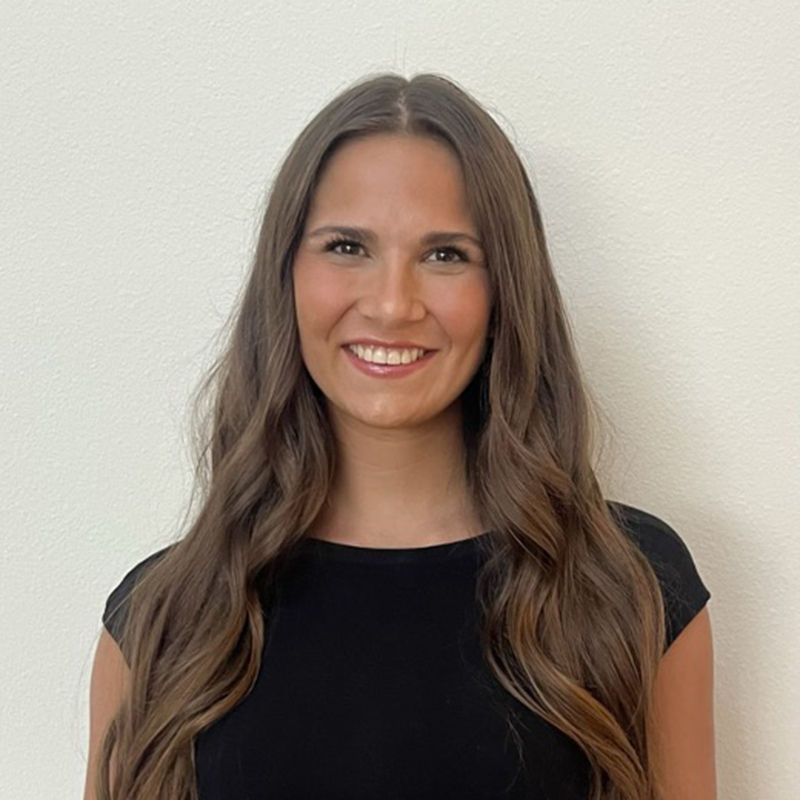
Grace Garron
New Hope Counseling Group, Washington DC
“It took just one week in another PhD program for me to realize my desire to return to Belmont, where academic growth and personal well-being are truly nurtured. That conversation reassured me that I wasn’t just another student — I was part of a community that genuinely cares about my success. Belmont’s professors consistently provide guidance, encouragement and mentorship tailored to each student’s goals.”
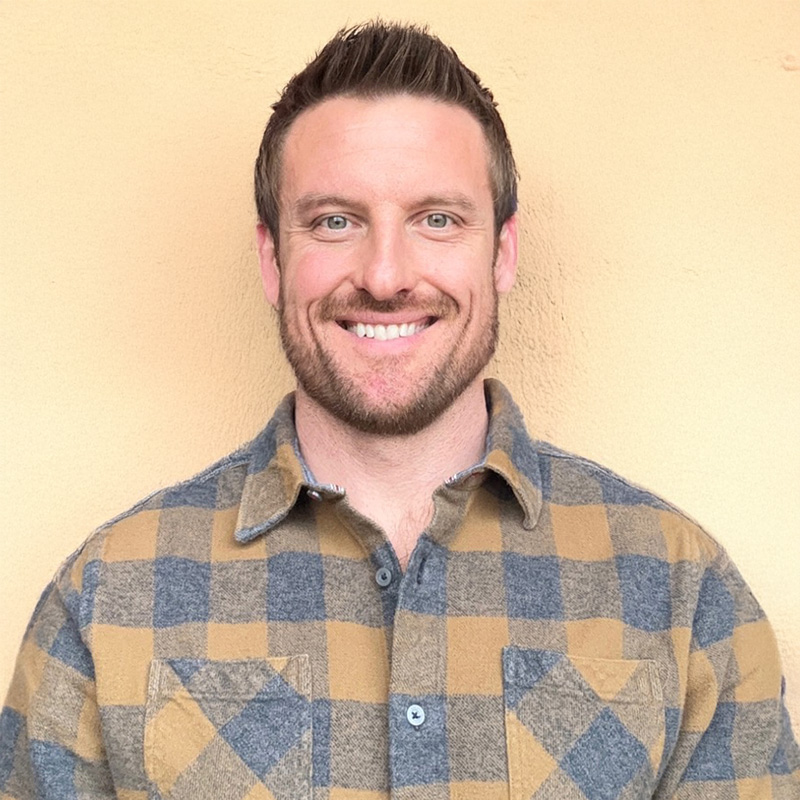
Garrik Dennis
Owner and therapist, Equilibrium Counseling, LLC; lead instructor, Vets2PM, LLC
“Academically, the program balances the opportunity to expand learning beyond the curriculum with the flexibility to do so without unnecessary strain on your schedule or capacity. Professionally, the opportunity for mentorship and personal rapport with the program faculty is likely unmatched. This program has enabled professional and personal growth beyond what I had ever imagined.”
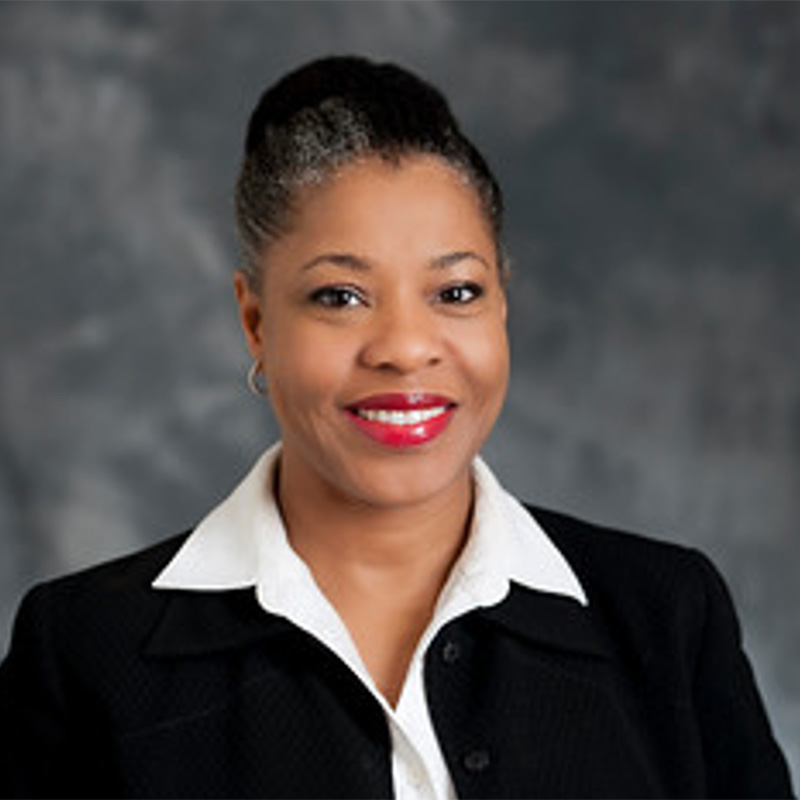
Angie Bryant
Associate Dean of Students, Belmont University
“The curriculum’s unique blend of advanced clinical training and deep spiritual exploration has truly deepened my understanding of holistic care. Faculty members are not only experts in their fields but compassionate mentors who encourage authentic integration of faith and practice. I have grown as a scholar and educator, and I have become more effective as a counselor.”

Aubrey T. Holden
Trauma Therapy of Nashville, LLC.
"As both a master’s student and now a PhD student, my time at Belmont has been life changing. I left prepared, passed every mandated licensure exam the first time and got fully licensed in just over two years post-master’s. This faculty not only models multicultural competency in the best ways but aids us as psychotherapists in becoming more multiculturally competent.”
Career Possibilities
The Ph.D. in Mental Health Counseling provides the academic training for counselors to work as faculty in universities or as highly skilled practitioners in private practice, community counseling agencies, addiction recovery centers, behavioral health agencies, government mental health positions and research centers. Doctoral students learn advanced clinical, supervisory and research skills beyond those achieved at the master’s and basic licensure level. The roles below are the ones this degree opens.
Teach counseling theory, ethics and clinical skills in graduate programs, supervise counselors-in-training and contribute to the scholarship of the profession. The doctorate is the credential for this work.
Oversee the clinical work of licensed and pre-licensed counselors, guide case conceptualization and ethical decision-making, and carry responsibility for the quality of care a whole team delivers.
Design and conduct studies that test what actually works in counseling, publish findings, present at national conferences and bring evidence back into practice settings.
Build and lead counseling programs: set clinical standards, develop staff, manage outcomes and shape how an organization delivers care.
Practice independently with the advanced clinical expertise, assessment skills and research literacy to serve complex cases and specialized populations, and to supervise other clinicians.
Provide counseling in community and faith-based organizations, and use doctoral training in program design and evaluation to strengthen the services those organizations offer.
Deliver assessment, therapy and support in community mental health, behavioral health or recovery settings, often as the clinician who trains and mentors newer staff.
In an agency setting, a therapist typically provides mental health services, including assessments, therapy, and support, to individuals, groups, and families, while also collaborating with other professionals and adhering to agency policies and regulations
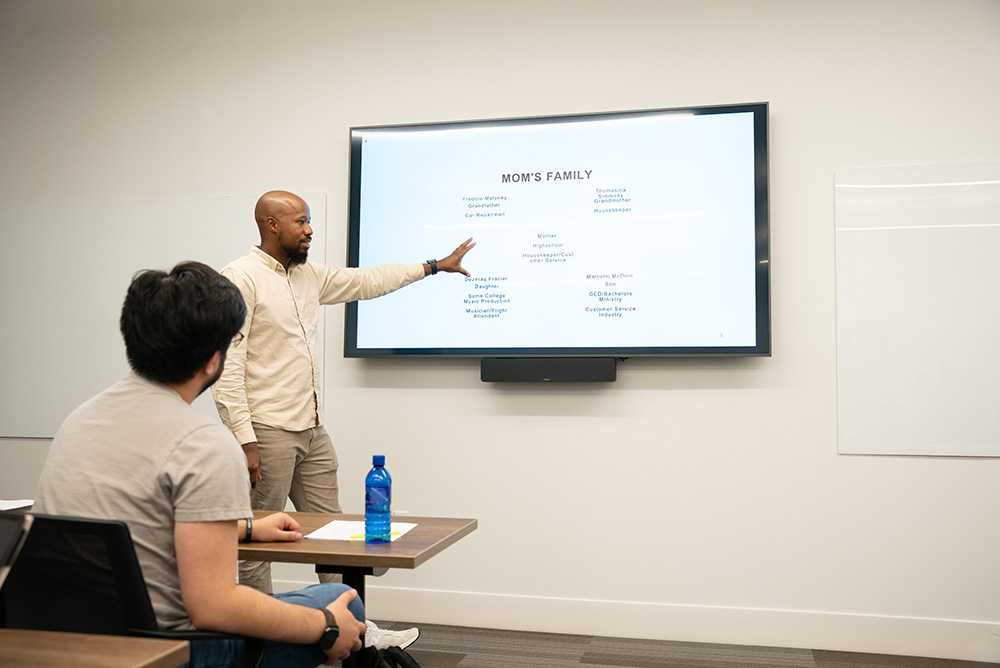
Learn from Experienced Faculty
You are taught, advised and supervised by the faculty of the School of Mental Health Counseling, including:
- Dr. Mary DeRaedt, chair, School of Mental Health Counseling and program director
- Dr. Tom Knowles-Bagwell, director of Doctoral Studies and Spiritual Integration
Coursework is delivered in a hybrid format, and you will come to Belmont’s campus for 3-4 intensive weekends of face-to-face instruction each semester. Other components of the program can be completed virtually.
The program is designed for master’s-level clinicians who are already practicing, which is why coursework is presented in a hybrid format with 3-4 campus weekend intensives each semester. Alongside coursework, the degree requires 600 supervised hours of doctoral-level internship spanning counseling, research, advocacy and leadership, teaching and supervision, so plan for that commitment in addition to your caseload.
Belmont University is accredited by the Southern Association of Colleges and Schools Commission on Colleges (SACSCOC). The program in the process of seeking accreditation through the Council for Accreditation of Counseling and Related Educational Programs (CACREP).
Three reasons account for most applicants: they want to teach and supervise the next generation of counselors, they want to conduct research that changes practice, or they want clinical expertise beyond what master’s-level licensure provides. The doctorate is the credential for counselor education and clinical supervision, and it is what most university faculty positions require.
Clients bring their spiritual lives into the counseling room whether or not a clinician is prepared for it. This program treats that as clinical competence rather than an elective, training you in the ASERVIC Spiritual and Religious Best Practices and in advanced theological understandings of human suffering, so you can work with the whole person in front of you.
Yes. Doctoral students complete 600 supervised hours of a doctoral-level internship across counseling, research, advocacy and leadership, teaching and supervision.
Contact Us
College of Pharmacy & Health Sciences
Linda Arce
Senior Admissions Coordinator
615.460.5193
Email Linda
Schedule a Call
Plan Your Visit
There's no better way to experience Belmont than by visiting campus. Whether you attend an admissions event, take a student-led campus tour or explore Nashville while you're here, a visit helps you picture yourself as part of the Belmont community.