

Choose Your Path | What You'll Learn | Program Details | Career Possibilities | Testimonials | FAQ
Why Study Art Studies at Belmont?
 Not every artist wants the same path.
Some students want to focus entirely on studio practice. Others want to combine visual art with psychology, entrepreneurship, art history, education or another area of study. Art Studies gives you the flexibility to do both.
You'll develop technical skills as an artist while gaining the broader perspective that comes from a liberal arts education. The result is a degree that helps you build your creative practice while preparing for a wide range of professional opportunities.
Three Reasons Students Choose Art Studies
Build a Degree Around Your Interests
Pair studio art with a minor or second academic interest that supports your goals.
Explore Multiple Artistic Mediums
Work across disciplines while discovering the materials, processes and approaches that inspire you most.
Develop Your Creative Voice
Use experimentation, critique and artistic practice to create work that reflects your unique perspective.
Request Information
Create Your Own Artistic Path
The Art Studies major offers many of the same studio experiences available to Studio Art students, but with additional flexibility.
Students can explore:
- Painting
- Drawing
- Figure Drawing
- Photography
- Ceramics
- Printmaking
- Sculpture
Rather than following a highly specialized path from day one, you'll have room to experiment, explore and discover where your artistic interests lead.
For students who want the freedom to shape their own educational experience, Art Studies provides the flexibility to do exactly that.
Art in Conversation With Other Disciplines
Great artists draw inspiration from many places.
That's why Art Studies encourages students to connect studio practice with other areas of learning. Students often combine art with fields such as:
- Art History
- Psychology
- Entrepreneurship
- Business
- Communications
- Education
- Social Sciences
This interdisciplinary approach helps students develop broader perspectives while opening new creative and professional possibilities.
Learn Beyond the Studio
 Art education happens in more places than the classroom.
Throughout your time at Belmont, you'll have opportunities to participate in:
- Visiting artist lectures
- Studio visits
- Creative workshops
- Gallery exhibitions
- Campus art events
- Community engagement projects
These experiences help students connect with practicing artists while developing a deeper understanding of the contemporary art world.
In the classroom, you'll learn skills in:
- Painting
- Drawing
- Figure Drawing
- Printmaking
- Photography
- Ceramics
- Sculpture

Exhibit Your Work Professionally
Sharing your work is an important part of becoming an artist.
Art Studies students have opportunities to exhibit work in Watkins College of Art's gallery spaces, gaining experience presenting their ideas to public audiences.
These exhibition opportunities help students:
- Build professional portfolios
- Learn exhibition practices
- Develop confidence discussing their work
- Prepare for future creative opportunities
Students graduate with experience creating, displaying and communicating about their artistic practice.
Curious about your coursework? View requirements for this degree in the course catalog.
- Study abroad (Semester, Maymester or Summer)
- Belmont USA programs alternate markets (N.Y.C., L.A., Washington D.C.)
- Internships- Our relationship to Nashville’s professional creative community is personal and rich. We will assist you with internship placement to ensure the experience is a good fit
- Four campus gallery spaces to professionally exhibit your work
- Opportunities to present at campus-wide research symposiums and professional conferences
- Kappa Pi- an international honorary art fraternity
- Compete in local, regional and international art/design competitions
We encourage you to explore the exceptional work our students create in their programs.
In addition to Belmont University's Southern Association of Colleges and Schools Commission on Colleges (SACSCOC) accreditation, the Watkins College of Art is a fully accredited institutional member of the National Association of Schools of Art and Design (NASAD).
The Watkins College of Art has significant scholarship opportunities for students. Last year, the college offered more than 55 scholarships to incoming students valued over $380,000.
Applicants who intend to pursue a degree in the Watkins College of Art and wish to be considered for the merit-based scholarship must submit an essay and portfolio of work in art and/or design. Students must have their Belmont application and portfolio submitted by December 1 to be eligible for the scholarships.
Please visit the Portfolio Guidelines page for more specific details.
Need-based scholarships will be determined from a student's Free Application for Federal Student Aid (FAFSA). This is the official form that families use to apply for college financial assistance from the federal government.
Studio Minor
A studio minor is an excellent way to balance or integrate your creative interests with the practical concerns of your chosen major. All courses in this minor have a relationship to the fundamental practices of visual art.
Students engage in a full range of creative expression in both 2D and 3D forms and can use those experiences to expand, enhance and refine their visual skills and knowledge. In addition, the minor serves as a means to develop better powers of critical analysis.
Painting Minor
The primary goals for the painting minor are knowledge of and proficiency in painting practice, supported by craftsmanship, individual initiative, creativity and the ability to interpret ideas through artistic expression. Students are required to demonstrate a thorough understanding of value, color, composition, drawing and expression, and the role these elements play in conveying meaning in their work. Students study the use of acrylic, oil, watercolor and mixed media, and demonstrate through the development of their work proficiency in a range of painting methods that may include landscape, portrait, the figure, abstraction and experimental paint application techniques.
Photography Minor
Photography minors first study the basics of composition, design, lighting, processing and printing film and producing effective prints. With additional classes students are enabled to explore photography as an expressive, personal tool, reflecting its status as a fine art medium. Students primarily explore traditional darkroom techniques, in addition to digital photography. Students also have the opportunity to explore non-traditional techniques in upper-level classes. At all levels, emphasis is placed on creativity, personal expression and the quality of finished prints.
Illustration Minor
The Illustration program allows students to dig deeper into narrative and visual development, sequential art, graphic novels, children's books, art licensing and more. This minor is the perfect companion for every storyteller at Belmont. Visual stories predate oral and written traditions by a long shot, so dive into the deep end of human DNA and show your stories. Learn how to craft successful images combining what you see with what you imagine. Excellent drawing skills are not required but a sense of play and purpose will aid in your journey to visualize short and tall tales.
Olivia Pulliam
"Watkins is a community-focused college with an incredible history and faculty. I didn't have the support that Watkins fosters at my previous school, so it was a blessing that I transferred. Now I’m getting a better arts foundation and learning about grants, fellowships, residencies – all these things that are super important to know in order to make a living as an artist."
Faculty Mentorship and Creative Community
Watkins combines professional artistic training with a close-knit creative community.
Faculty work closely with students as mentors, helping them develop technical skills, explore new ideas and identify professional opportunities.
Students benefit from a collaborative environment where experimentation, conversation and creative growth are encouraged.

Meaghan Brady Nelson
Email: meaghan.brady.nelson@belmont.edu
Office Location: Leu Center for the Visual Arts 119
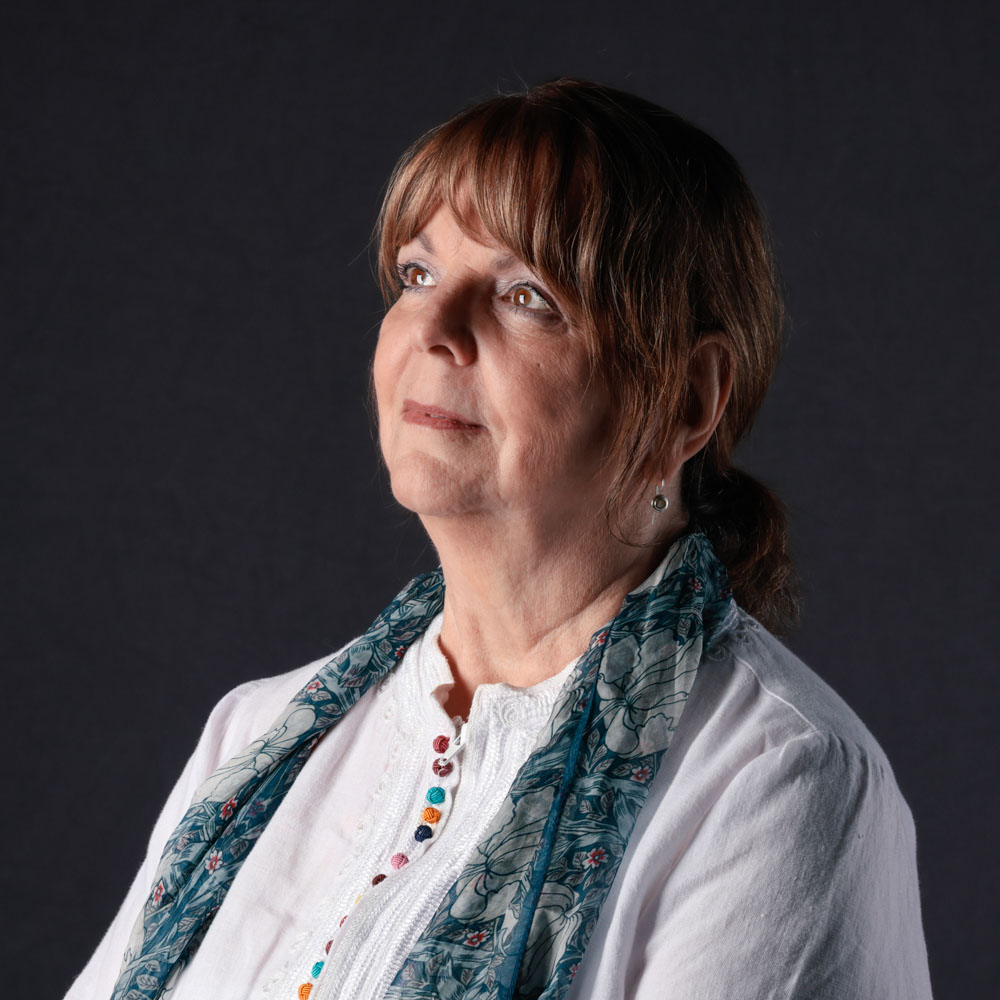
Judy Bullington
Email: judy.bullington@belmont.edu
Office Location: Leu Center for the Visual Arts 105

Benjy Davies
Email: benjy.davies@belmont.edu
Office Location: Leu Center for the Visual Arts 108
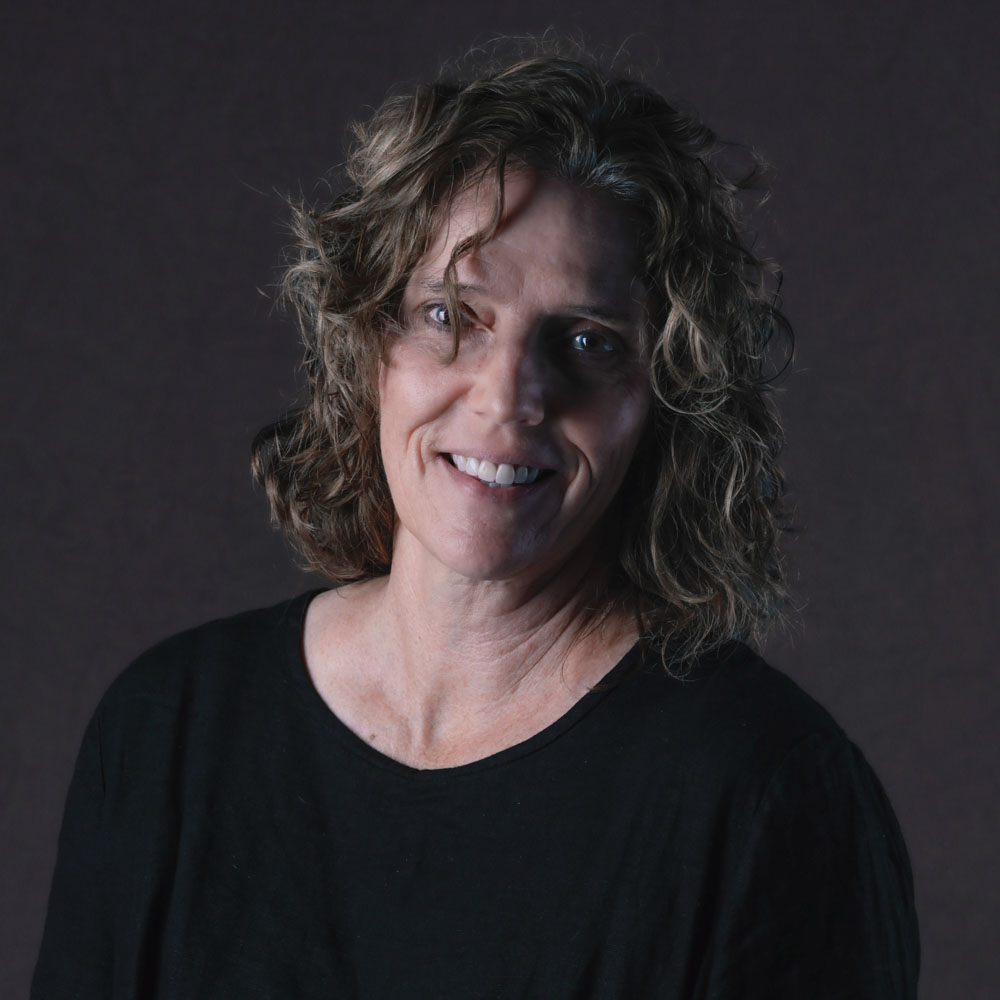
Kristi Hargrove
Email: kristi.hargrove@belmont.edu
Office Location: Leu Center for the Visual Arts 117

Jack Latham
Email: jack.latham@belmont.edu
Office Location: Leu Center for the Visual Arts 110

LaKesha Lee
Office Location: Leu Center for the Visual Arts

Armon Means
Email: armon.means@belmont.edu
Office Location: Leu Center for the Visual Arts 118

Christine Rogers
Email: christine.rogers@belmont.edu
Office Location: Leu Center for the Visual Arts 111

Mandy Rogers Horton
Email: mandy.rogershorton@belmont.edu
Office Location: Leu Center for the Visual Arts 114

Brandon Williams
Email: brandon.williams@belmont.edu
Office Location: Leu Center for the Visual Arts 109

Tom Williams
Office Location: Leu Center for the Visual Arts 114
Art Studies provides more flexibility for students who want to combine studio art with a minor or another area of academic interest. Studio Art is typically more specialized and studio-intensive.
Yes. Students can explore painting, drawing, photography, ceramics, printmaking, sculpture and other studio areas while shaping a path that fits their interests.
Yes. Students can showcase their work in Watkins College of Art gallery spaces and participate in exhibitions throughout their time at Belmont.
Yes. The program was designed for students who want to combine studio art with other interests such as psychology, entrepreneurship, business, education or art history.
Graduates work in fine arts, photography, museums, galleries, design, creative industries, arts administration and other fields that value creativity and visual communication.
Belmont combines rigorous studio experiences, a strong liberal arts foundation, gallery exhibition opportunities and the flexibility for students to design a degree that supports their individual creative and professional goals.
Contact Us
Ellie Aldrich
Admissions Coordinator
615.460.6772
Email Ellie
Plan Your Visit
There's no better way to experience Belmont than by visiting campus. Whether you attend an admissions event, take a student-led campus tour or explore Nashville while you're here, a visit helps you picture yourself as part of the Belmont community.