
A glimpse into the process, preferences and passions of award-winning designer Will Watts
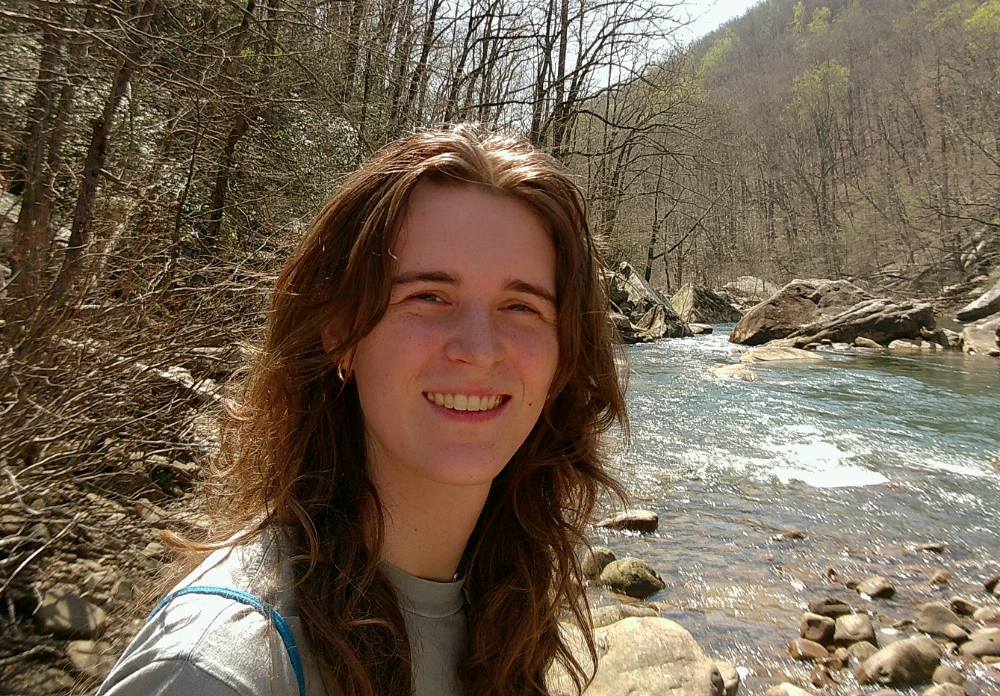 At the end of each academic year, Doug Regen, professor of practice in design, hosts the senior class of design students at his house for a luncheon. This year, as the soon-to-be graduates gathered to celebrate and share stories of the last four years, a reflective mood settled over the group as they began to realize that this was one of the last times the cohort would gather together as students.
The moment became even more memorable when major news broke: the American Advertising Federation (AAF) had selected Will Watts' work as a 2026 National Gold ADDY Award winner.
“Receiving the news at Doug’s house brought me to tears,” Watts shared. “To be in that moment with all the other designers, the people I had spent the last four years with, was just so meaningful.”
Openness to Feedback
At the ADDYs, the AAF’s premier awards show for brand identity and advertising design, national-level recognition follows multiple tiers of lower-level competition. Winning a gold award at the national level represents the organization’s highest honor for students.
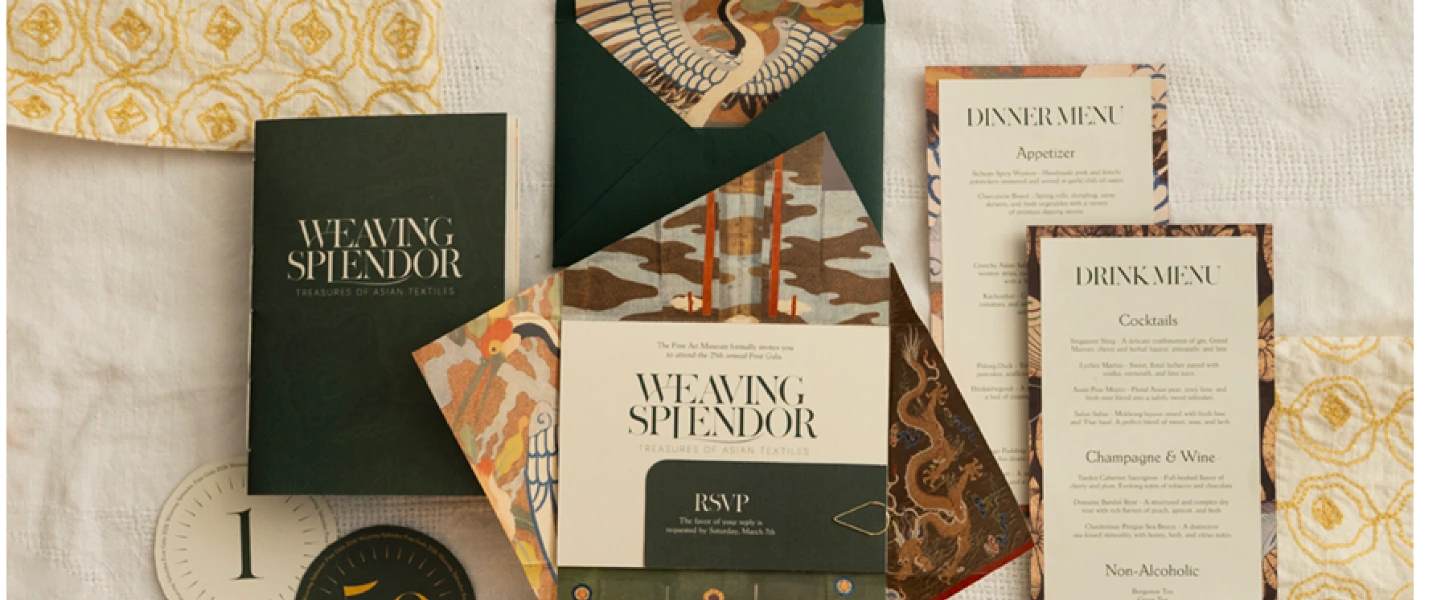
Watts’ winning entry was a suite of marketing collateral for the Frist Art Museum’s annual fundraising gala, created for one of Regen’s design classes.
“Will is a remarkably thoughtful designer who I have seen embrace feedback, continually refine ideas and push beyond the obvious solution in search of what’s most meaningful and effective,” Regen commented.
This patient and iterative approach to design is central to Watts’ process. “I tend to gravitate towards solid blocks of color of shape, but I realized this project was an opportunity to diversify my portfolio,” Watts shared. “I was inspired throughout the process by my classmates, their design styles and what they brought to critique.”
The trust built in those critiques developed over four years of working together. As their skills matured and friendships deepened, feedback given in these conversations became more candid and essential to each designer’s process.
"Despite having graduated only a month ago, I'm already missing the critiques,” Watts said. “I don't think a day went by where I didn't ask someone for their opinion, because everyone brought something totally different to the table. Showing your work for critique means, in some ways, relinquishing any claim you had on what it means.”
Attention to Detail
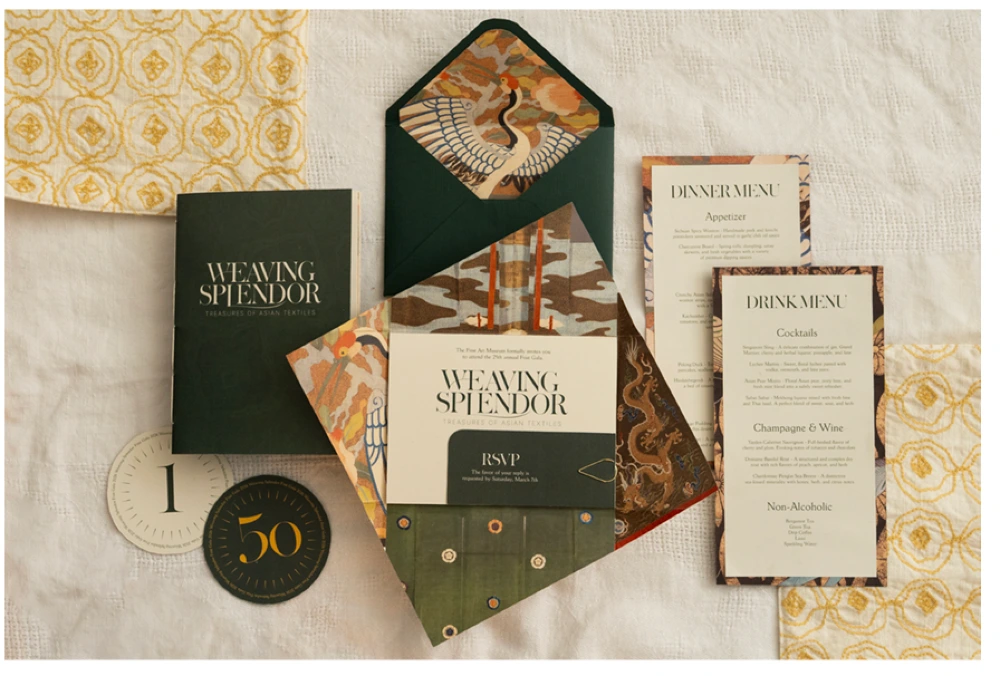 “What sets Will apart is careful attention to every aspect of the design experience; from concept and execution to details such as paper selection, production methods and craftsmanship,” Regen said. “There's an implicit understanding that great design is about what people feel and experience.”
Inspiring the award-winning work was “Weaving Splendor,” a 2023 Frist Art Museum exhibition featuring textiles from China, India, Japan, Persia and Turkey.
“I was struck by the intricacy and symbolism in the pieces,” said Watts. “It pushed me to pursue that same level of intentionality in my own work. Seeing the garments up close made me want to incorporate tactile elements in the design so viewers could feel like they were actually holding the fabric themselves.”
Watts’ connection to the Frist deepened during a summer internship on the museum’s graphic design team last year.
“At least half of the projects required me to get up out of my chair and go physically engage with the work,” they remembered. “I was so inspired by talking to the other departments and getting involved in the whole arc of each project. It helped me realize I don’t want to be chained to my computer all day as a designer.”
Touching Grass
To find these much-needed breaks from the screen, Watts recharges with photography. The contemplative nature of this artistic practice balances out the structure of a typical design process.
"With design, you start with a wide breadth of possibilities and refine them into a single product,” Watts reflected. “But photography often starts with a question that expands outwards."
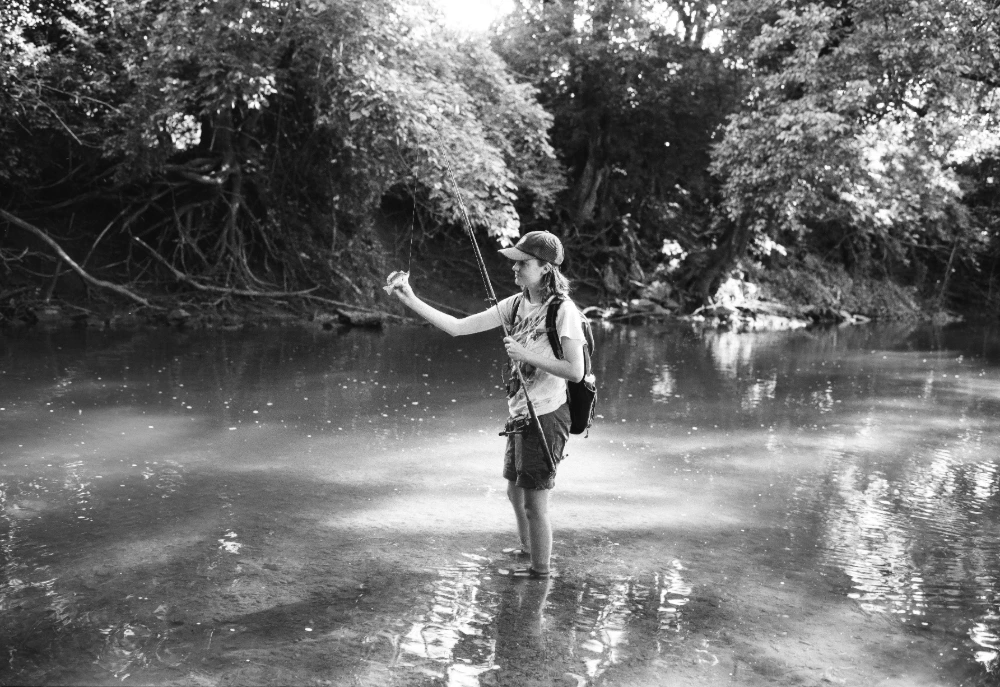
Many of Watts' photographic subjects are ecological, discovered by bringing a camera along to hikes and fly fishing adventures. Sometimes this even includes making custom pinhole cameras and shooting on film.
“No matter the endeavor,” Watts shared, “I always try to apply creative problem solving to whatever I do.”
Learn More
Explore Design Communications at Belmont