
Belmont student Ethan Whitfield brought the future of health care design to global stage
When Ethan Whitfield arrived at Belmont as a transfer student last fall, he expected a semester of foundational coursework and finding his footing at a new school. What he got instead was his first paid film gig, a crash course in time management and a documentary now on permanent display in London, England. 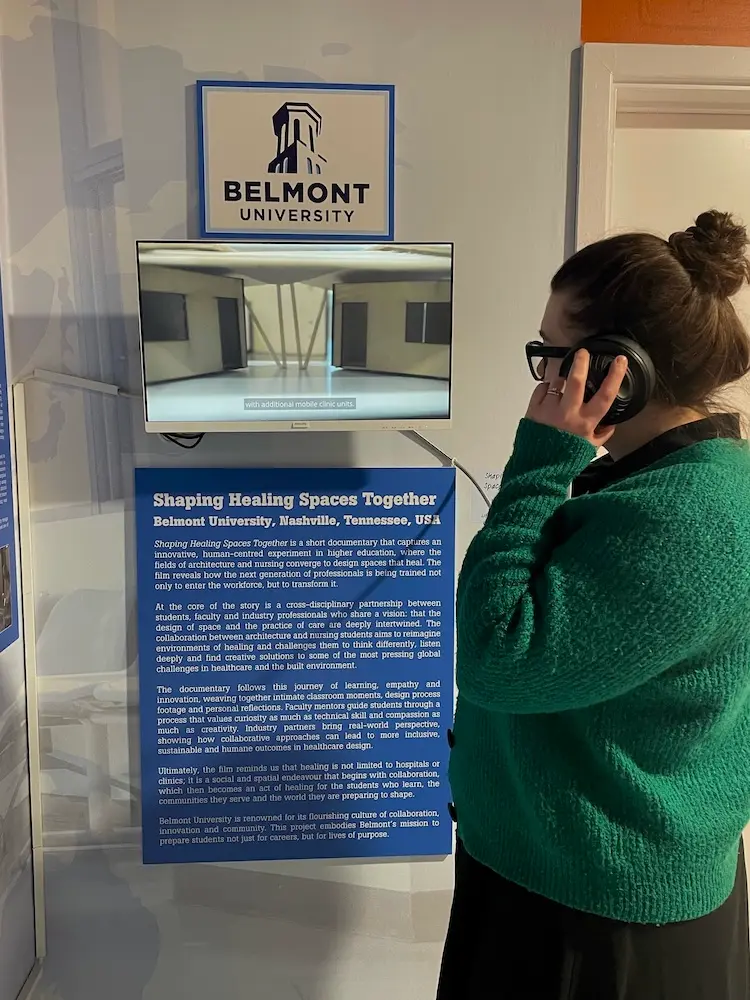
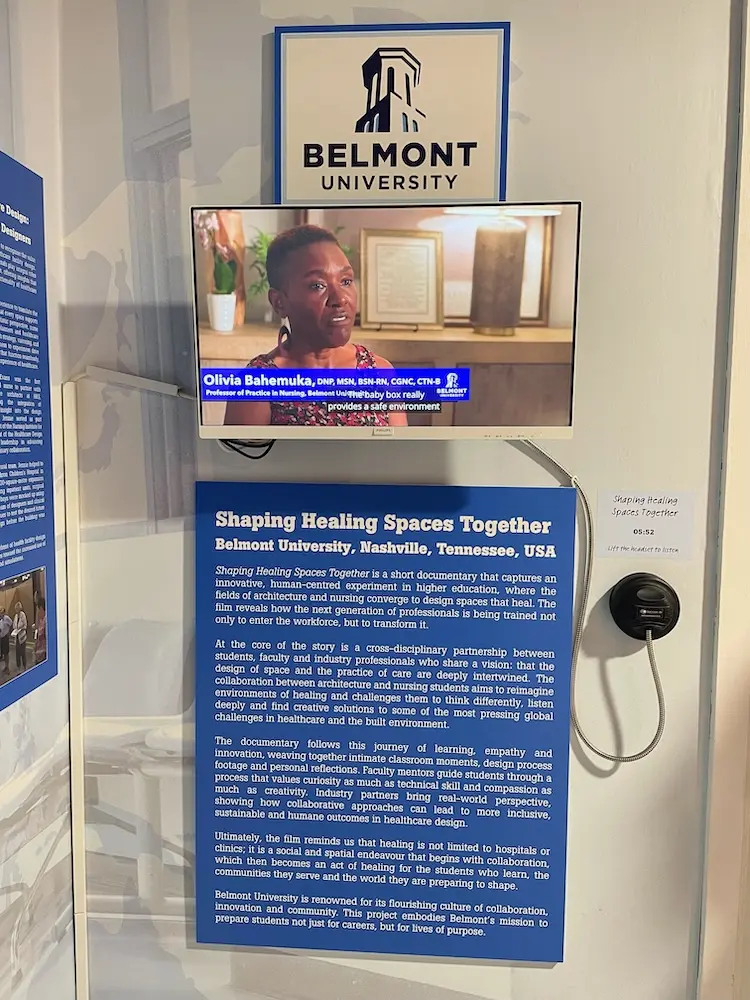
Whitfield, a junior film student in the Mike Curb College of Entertainment & Music Business, directed, shot and edited Shaping Healing Spaces Together, a short documentary chronicling an ongoing interdisciplinary collaboration between Belmont’s nursing and architecture programs.
The documentary features voices from students, faculty and program leaders, weaving together the story of how nursing and architecture students learn to collaborate across disciplines to design health care environments with real-world impact.
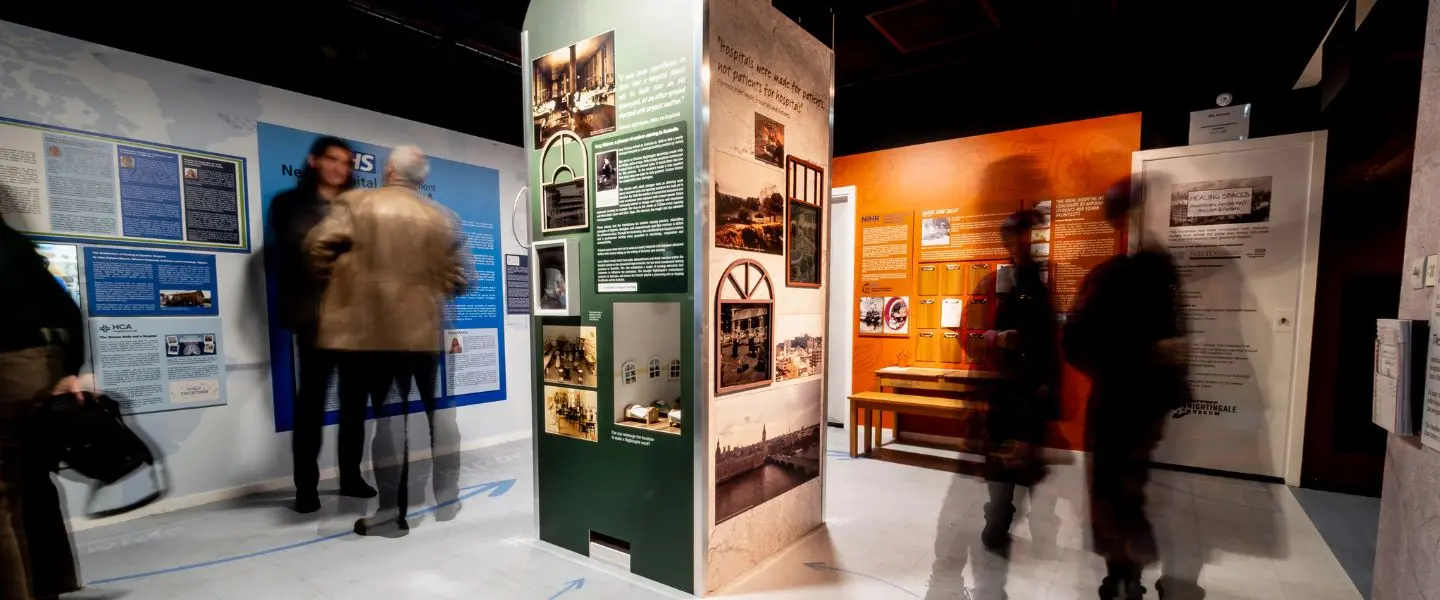
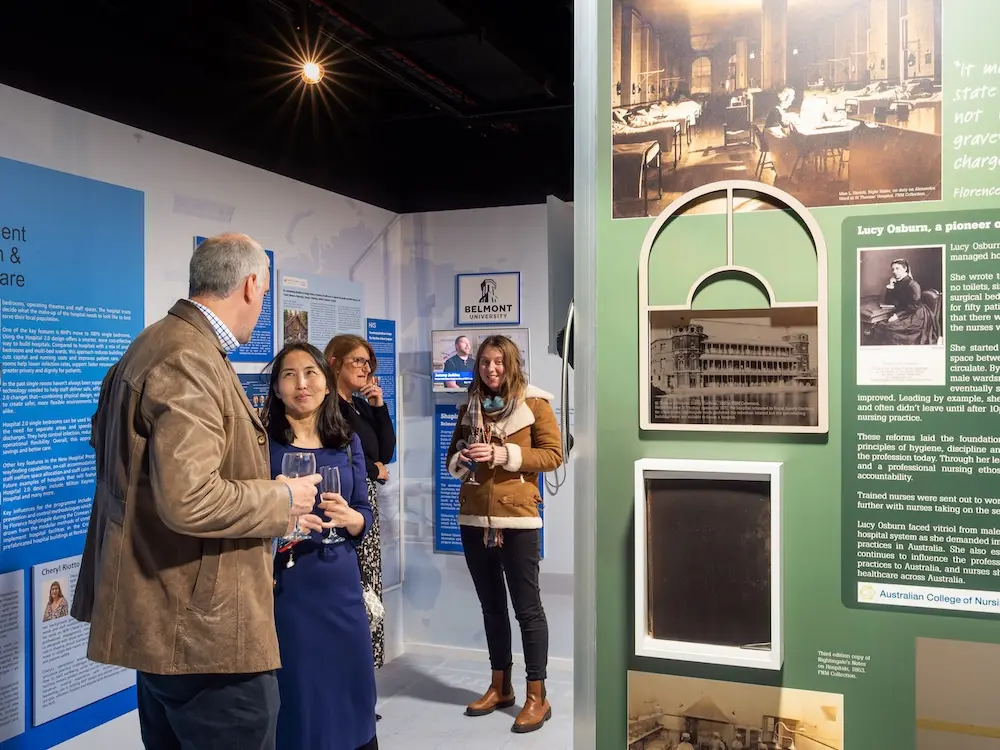
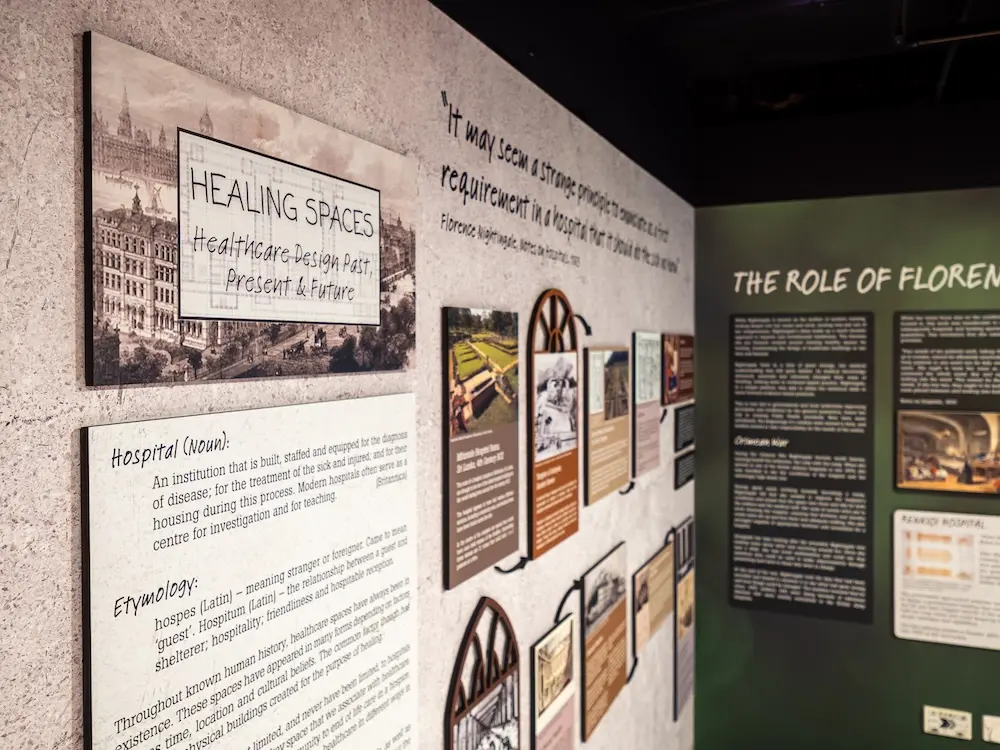
The film debuted Nov. 17 as part of the "Healing Spaces: Healthcare Design Past, Present and Future" exhibit at the Florence Nightingale Museum in London, where it now plays for museum visitors from around the world.
From Nashville to London
The path to the Florence Nightingale Museum began with an email from Dr. Debbie Gregory, a global leader in health design and founding member of the Nursing Institute for Healthcare Design, which co-sponsors the Healing Spaces exhibit. She connected Dr. Fernando Lima and Dr. Kathryn Dambrino with the museum team and encouraged them to contribute.
 Lima, who chairs the O'More College of Architecture & Design's architecture program, and Dambrino, who chairs graduate nursing and leads the Center for Nursing Innovation, had been doing exactly the kind of work the exhibit was built to celebrate — bringing nursing and architecture students together to reimagine what health care spaces can be.
"When I read her message, my immediate thought was that showcasing our collaboration in this setting would be a perfect way to represent what Belmont is truly about," Lima said.
The fit was clear. The Healing Spaces exhibit traces the evolution of health care environments from Florence Nightingale's trailblazing work on hospital architecture to today's innovators designing tech-integrated healing spaces. Belmont's approach to interdisciplinary health design sits squarely at that frontier. Dambrino and Lima submitted a proposal to be featured and decided a short documentary was the right format to tell the story.
"We believed a short-form documentary would bring the story to life in a way that fully immerses viewers in the collaborative experience," Dambrino said. "Rather than simply describing interdisciplinary collaboration, the documentary allows viewers to witness it — to see relationships forming, ideas evolving and disciplines coming together in real time."
A Student Steps Up
To make the documentary happen, Dambrino and Lima needed a filmmaker. Whitfield, then in his first semester at Belmont, was connected to the project through a faculty member. He met with Lima, learned what the project entailed and said yes, even knowing the timeline was tight.
"One of the things my instructors drilled into me is: say yes to everything that comes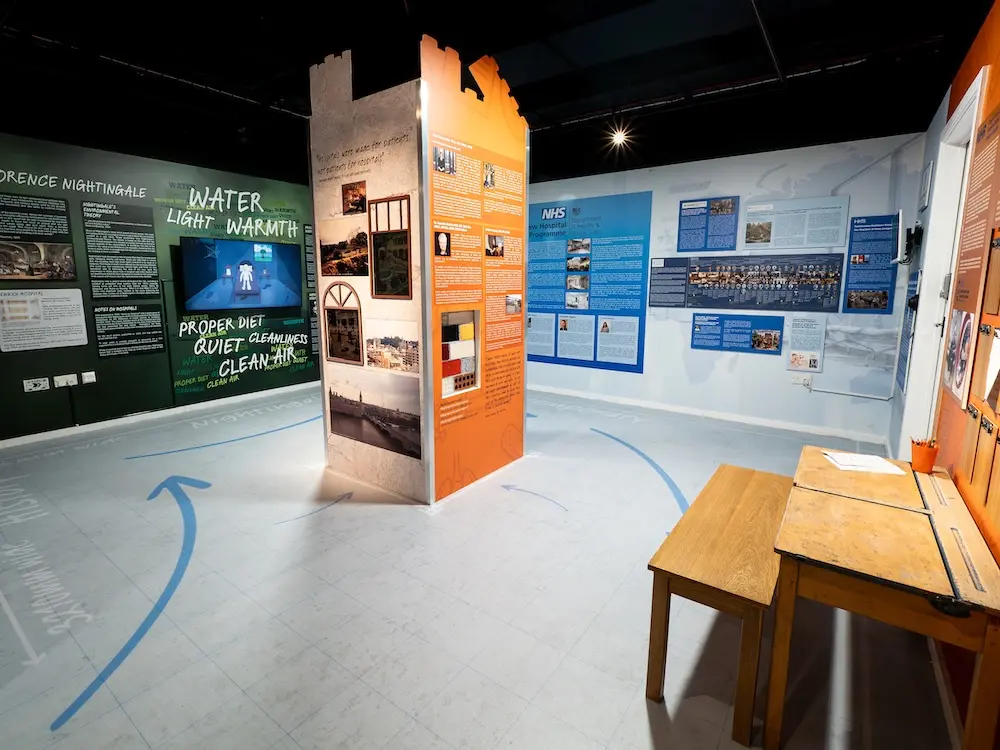 your way, you'll figure it out after," Whitfield said. "And 99% of filmmaking is just problem solving."
Working with one collaborator, friend and gaffer Davis Coggins, Whitfield coordinated shoot days around class presentations, captured B-roll during lab sessions and shaped an edit that could communicate a complex, multi-disciplinary story to a general audience — all within roughly six weeks.
One of the documentary's focal points is the "Baby Care Box" project, in which architecture students partnered with Doctor of Nursing Practice students to design safe, affordable sleep environments for newborns in Nairobi, Kenya, a wonderful illustration of the kind of interdisciplinary work happening at Belmont.
"The work they’re doing is tangible," Whitfield said. "This is something that's going to be tried in the real world, have a long-lasting effect and hopefully save lives."
The project has already shaped Whitfield's trajectory. Shortly after completing the documentary, he accepted a position with a startup tech company producing a weekly mini-docuseries — a gig he credits directly to the experience he gained at Belmont.
But more than the career boost, Whitfield said the project changed the way he sees the world. "My hope is that people stop seeing nursing and architecture as separate worlds. This next generation of students is more willing to think outside the box and collaborate, and that collaboration is transforming the way we design health care spaces. Nurses need to be able to get from one place to another, and every step counts. That's influenced by the way a building is designed.”
The Big Picture
 Florence Nightingale herself was a pioneer of health care design, demonstrating through her work during the Crimean War that physical environment directly influences patient healing. To have Belmont's student work represented in a museum honoring that legacy — and seen by nurses, health care professionals and global audiences — carries real weight.
"This documentary is, in many ways, the clearest example of Belmont’s values in action," Lima said. "Innovation, cross-disciplinary collaboration, commitment to the common good and deep student engagement."
Dambrino hopes the film sparks something in everyone who sees it.
"My hope is that visitors walk away recognizing the power of interdisciplinary collaboration — particularly partnerships between nursing and architecture — and understand that bringing the right expertise together leads to more thoughtful, impactful solutions," she said. "I also hope they see Belmont as an innovative global leader in preparing the next generation of health care leaders who are eager and equipped to co-design health care environments collaboratively rather than work within traditional silos."
Learn More
Explore interdisciplinary opportunities at Belmont.