

From the classroom to hospital rounds, students are getting a firsthand look at how they can use pharmacy to support mental health treatment
McGuire personally teaches the two psychiatry-focused classes in Belmont’s PharmD program, a core curriculum class on mental health topics and a psychiatric pharmacy elective. He also oversees psychiatric pharmacy clinic rotations in town.
As an academic and practicing pharmacist of more than 25 years, McGuire is hopeful that by introducing more students to mental health treatment early on, Belmont can meet a growing need for skilled providers across the southeastern United States. As of 2026, most mental health providers are concentrated heavily in the northeast and west coast, whereas Tennessee has 700 patients for every available provider and Alabama has one provider for every 800 people in need.
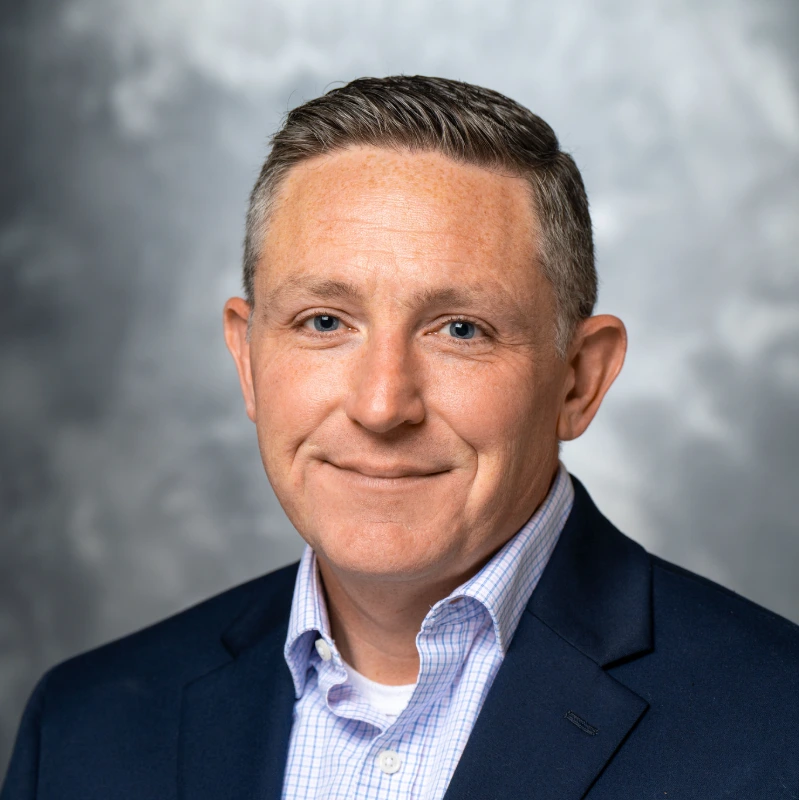
“There are enough mental health providers in our country,” McGuire said. “The real problem is allocation of those providers. Ultimately, the goal is to make psychiatric pharmacists part of a solution in meeting the nationwide need for people with mental illness.”
From Community Boards to Classroom Instruction
Though he came to Belmont in August of 2012, mental health advocacy has always been McGuire’s passion. Before teaching, he joined the American Academy of Psychiatric Pharmacists (AAPP) in 2000 and researched antipsychotic medications. Earlier this year, McGuire was appointed to a three year term on the board of AAPP after being involved with the organization in other capacities, including as AAPP Foundation’s president of philanthropy.
“I was honored to be awarded this position,” McGuire said. “The nominee list was full of wonderful professionals who truly champion pharmacy’s place in mental health treatment. We are the voice of our specialty, and I’m deeply committed to sharing that with students.”
Since coming to Belmont, there’s been a constant in his classroom: despite most students coming to Belmont with little knowledge of psychiatry, his classes are very full.
“Students are required to have core instruction in mental health disorders, but I always end up opening more seats in my psychiatry elective, too,” McGuire said. “Plenty of my students have some connections to the mental health field, but there are several who discover an interest they didn’t know existed.”
McGuire’s elective studies the systemic issues contributing to mental health treatment accessibility, including the shocking reality that most acute mental illnesses in America belong to people in jails, prisons or the unhoused, making these systems the largest provider for mental health treatment.
Even if students don’t end up participating in mental health rotations, McGuire knows that these realities inform the compassion pharmacists bring to their practice long after graduation.
“What I read what Jesus said about ‘the least of these,’ I think he was talking about the marginalized and unheard,” he said. “The elective aims to instill a greater understanding of mental health in students, hopefully diminishing the fear they might have of working with someone who is mentally ill or otherwise in these communities.”
Taking Inspiration From Clinical Rotations
In addition to his board appointment and classes, McGuire maintains a practice site at Rolling Hills Hospital in Franklin, Tennessee, where he rounds throughout the week with several treatment teams, including those seeing patients with treatment-resistant schizophrenia and bipolar disorder.
As part of the team’s evaluations, McGuire interviews patients and helps make adjustments to medication plans, almost always shadowed by pharmacy students.
“When we go into patient rooms and the physicians introduce me as a pharmacist, most patients seem surprised to see me there,” said McGuire. “We work together to make sure each patient is receiving proper medication and it’s exciting that students can get a firsthand look at contributing to a care team.”
By attending clinical rotations, pharmacy students get an early look at how to navigate patient interactions. Pharmacists are the most visible health care professionals in the majority of communities, making them an important stopgap for patients needing support in mental health treatment.
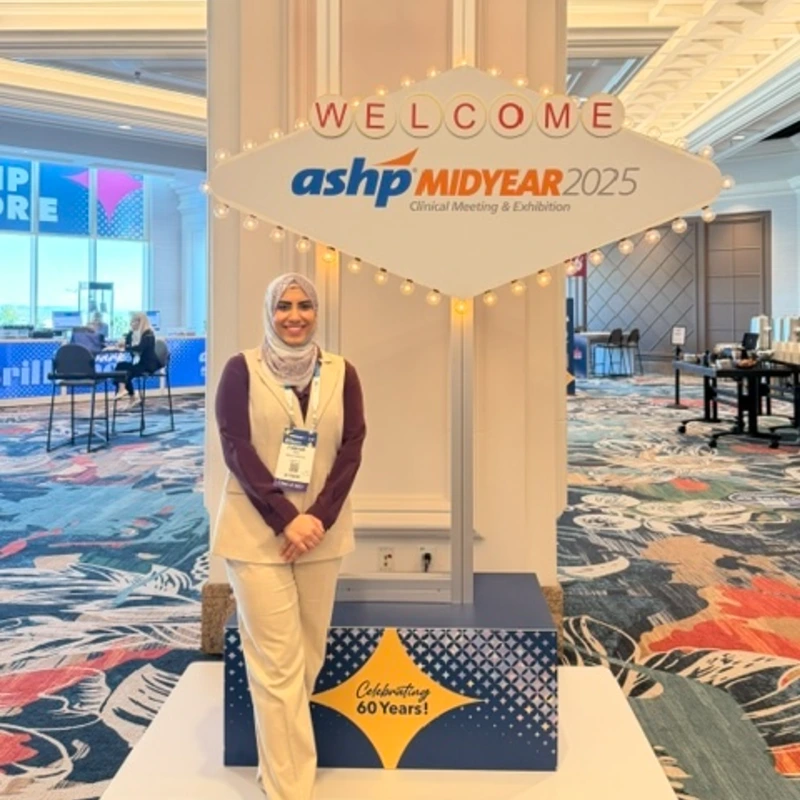
One of the students rounding with McGuire this semester is Fatamah Feron, a 4th year pharmacy student. On one of their recent rounds, Feron was given the challenge to conduct a patient interview alone when McGuire was unexpectedly called away.
“Working with Dr. McGuire has been the most transformative experience of pharmacy school,” Feron said. “He really encouraged me to recognize my potential and push myself beyond what I thought I was capable of.”
Feron has since rounded independently on clinic patients with the team psychiatrist. As she was asked questions about medications, dosing and potential interactions, Fatamah learned just how much medical teams rely on pharmacists.
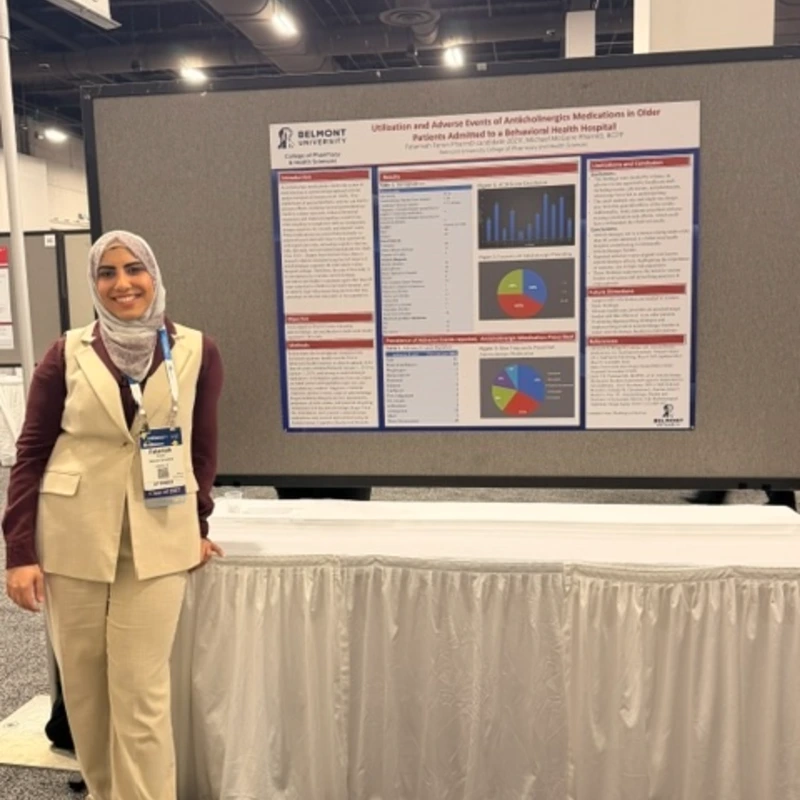
“Studying healthcare from the pharmaceutical perspective has given me a different appreciation for the role we play in patient care,” Feron shared. “It's not simply about knowing which medications treat certain conditions, it's understanding how those medications affect each individual patient, how they interact with other therapies and how we can optimize treatment to ensure it is both safe and effective.”
Studying with McGuire has empowered Feron to embrace her future profession with confidence, agency and the self-assuredness she’s been absorbing since first being introduced to psychiatric pharmacy. “The opportunity to apply what I had learned in school, work alongside other healthcare professionals, and gain a better understanding of the pharmacist's role in psychiatric care is priceless,” she said.
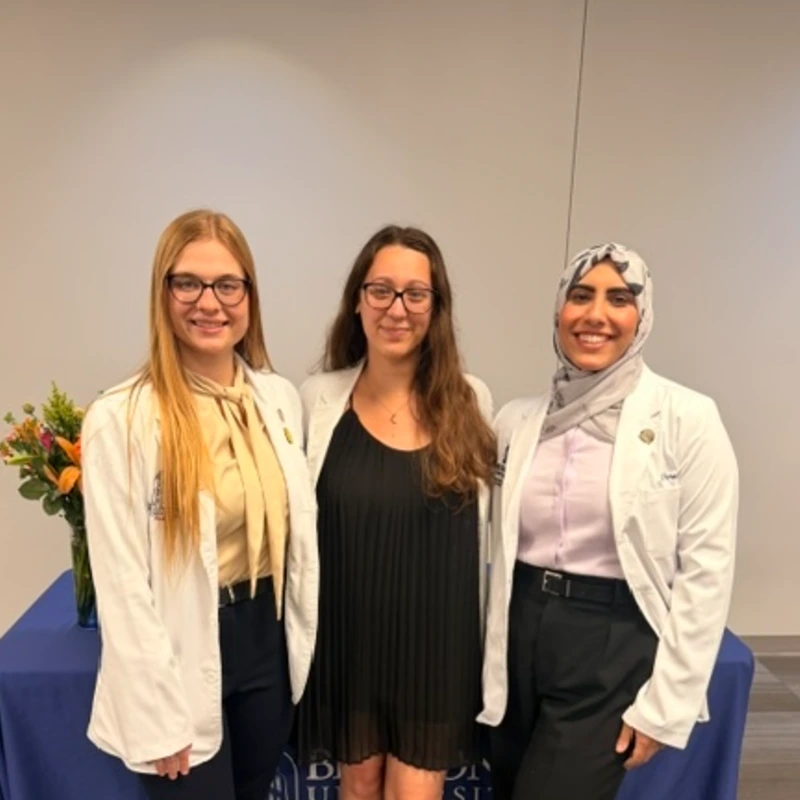
Whether or not students choose to pursue psychiatric pharmacy, McGuire hopes that their practice can be forever changed by the empathy, passion and advocacy that’s necessary for mental health treatment and propels whole-person pharmaceutical care.
Learn More
Learn more about the program in this story