
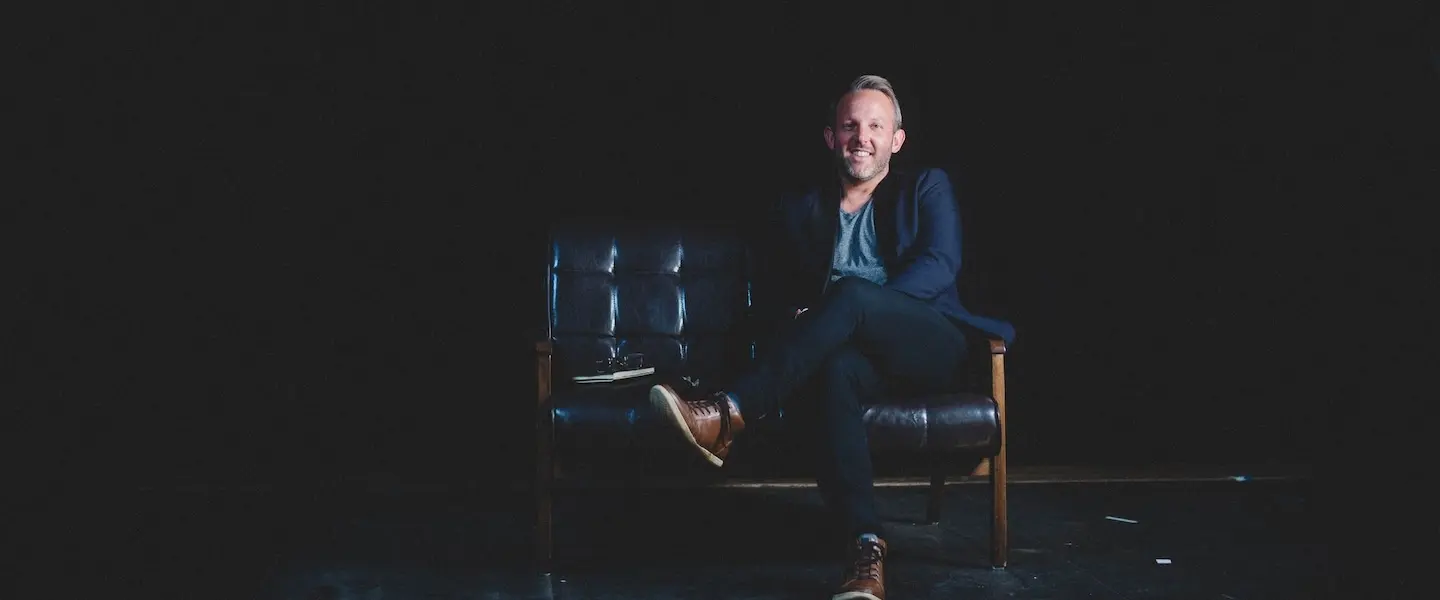
From songwriting and podcasting to documentary filmmaking, Belmont alumnus built a career by following stories wherever they lead
Andrew Greer has spent more than two decades moving between careers that, on paper, don't obviously belong together: recording artist, songwriter, author, journalist, podcast host, documentary filmmaker. Ask him how they connect, and he answers without much hesitation.
"Storytelling is probably the thread," he said. "Whether I was helping tell an artist's story at a record label, telling stories through my own music, writing books and articles, hosting conversations or directing films, it's all storytelling."
That throughline traces back to his years at Belmont, where he arrived without a fixed idea for his future. But that turned out not to matter. When he graduated in 2004 from the College of Music and Performing Arts, he left with a handful of mentors and experience taking an unplanned literature class that ended up shaping the rest of his career.
Finding footing, losing it, then finding it again
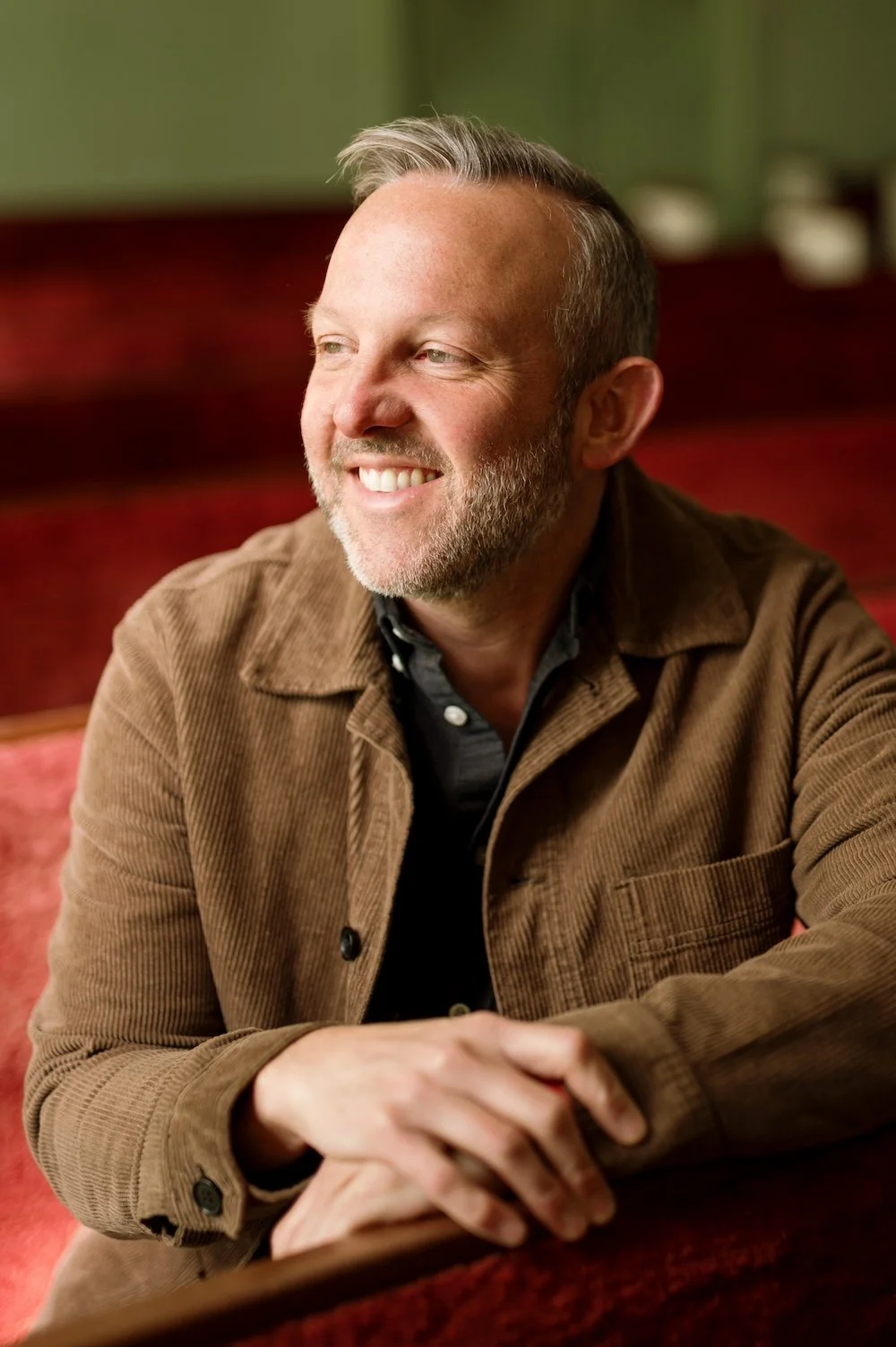 Greer describes himself candidly as a “late bloomer.” At Belmont, he was surrounded by many classmates who already knew, with total clarity, that they were headed toward artist deals, A&R careers or songwriting rooms. While he loved music, and was a solid musician, he wasn't yet sure where his real gift was. Between his freshman and sophomore years, that uncertainty came to a head. He hit a rough patch that made him question if he even belonged in the School of Music.
Two people kept him there: Dr. Richard Schadinger and Dr. Emily Bullock. Schadinger helped close a scholarship gap that made attending Belmont possible in the first place, giving Greer the financial footing and the courage to commit. Bullock, his voice teacher, became someone more important than a technical instructor during that difficult stretch. She didn't have a five-year plan for him. She simply kept investing her confidence in him even “before he'd given her much reason to.” He remained her student through his senior year, and he credits her training for a voice he's used rigorously throughout his career on stages and in studios, for two decades, without vocal trouble.
A career built by not choosing a lane
After graduation, Greer took a job at Rocketown Records, the small Christian music label founded by Michael W. Smith, through a connection made with a family friend while he was still in school. He didn't know exactly what he wanted from it, but he fell in love with the people there, and that job became the first link in an unplanned chain of events.
"All our roads," he said, "go where they're supposed to go."
 One thread kept leading to another. Rocketown led to an independent artist career, which led to touring and songwriting partnerships, including a project with fellow Belmont alumna Ginny Owens, with whom he co-wrote his first book. Songwriting led to editorial writing. First, for the Belmont Vision's back-page music Q&A, and then, eventually, for national outlets. Writing led to hosting streaming series, including “Empty Stage,” a music-focused interview series. Streaming series led to podcasting, most notably “Dinner Conversations” and “Bridges with Patsy Clairmont.” Podcasting led, eventually, to directing documentary films, including “Plain Spoken,” a documentary exploring the complex legacy of Plains, Georgia and its most famous resident, Jimmy Carter, which premiered on PBS.
Asked how he decides which ideas to chase, Greer shrugs at the notion of choosing. "I don't know how to not be me," he said. "I never thought of restricting myself."
He admits his twenties were harder for it, watching peers land label deals and get big cuts in their first few years out of school while he kept following threads that hadn't yet resolved into a title. But he never felt insecure watching others succeed on a narrower path.
Looking back, he sees storytelling as the thread that connected it all, whether he was shaping an artist's record, guiding deep conversation on a podcast or translating complex ideas into a documentary for a broad audience.
His advice to students pursuing a similarly unconventional path is both practical and cautionary: "don't buy the house too soon." In other words, don’t lock yourself into commitments that limit your flexibility too early. "Keep your financial life small," he said, "so that your creative life can be big."
There's no timeline that matters, he added. "Someone's going to do something magnificent at 23, and you might do something magnificent at 58."
Listening as a discipline
If there's a method to how Greer actually works, it's based on a conviction that storytelling starts with getting out of the way. His podcast “Dinner Conversations,” co-hosted with musician and humorist Mark Lowry for four seasons, was built on that premise. The conversations gathered people together around a table to discuss the things faith communities often leave unsaid, including divorce, sexuality and grief.
The show wasn't designed for a large audience, and Greer assumed its reach would stay modest. Then a friend in graduate counseling studies told him his professor had played an episode on navigating divorce in one of his clinical training courses. It was, Greer said, a reminder that whatever we make out of our own loves and questions can end up serving someone else's healing in ways we never see coming.
That same instinct for listening across difference shaped some of his most significant interviews, including one with civil rights leader Andrew Young, who was on the balcony of the Lorraine Motel when Martin Luther King Jr. was shot, and with former President Jimmy Carter, whom Greer came to know personally in the years before Carter's passing in 2024.
A book from Belmont, a life in Plains
Only in retrospect did Greer realize that his connection to Carter traced back to his freshman year at Belmont in two unexpected ways.
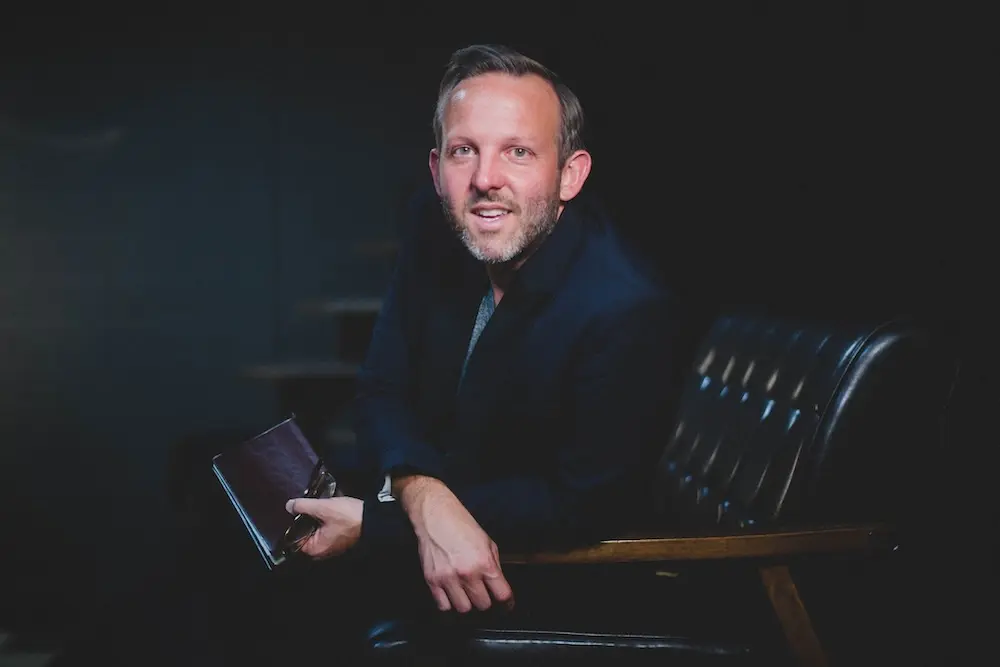
A friend gave him a copy of Carter's memoir “An Hour Before Daylight,” about his rural upbringing, years before Greer would ever imagine living in Carter's hometown of Plains, Georgia. That same year, a scheduling quirk landed him in a senior-level African American literature course to fulfill a gen ed requirement. Though unexpected and designed for older students, the professor let him stay. Greer said the course cultivated a long-standing attention to race and community in the American South that would surface, decades later, in his PBS documentary “Plain Spoken,” filmed in the same small Georgia town Carter called home for his entire life.
In Plains, Greer also curated “Sundays with Jimmy Carter: More Than a President,” the first posthumous collection of Carter's decades of Sunday school teachings at his small A-frame church. A companion podcast built around Carter's words is also in the works.
Greer is also, for the first time in his career, directing a documentary he didn't originate himself, a departure he describes as a genuine exercise in learning to listen to someone else's vision rather than his own.
Asked what Belmont gave him, Greer doesn't reach for a tidy answer. What he offers instead is a list that keeps growing: an education he loved, mentors who saw something in him before he did, and relationships, both personal and professional, that are still, twenty-some years later, showing up inside the work.
What began as a love of music at Belmont became a career built on following the “thread that keeps pulling,” trusting that each story might lead to the next one.
Whether through songs, books, interviews, podcasts or films, Greer has spent more than two decades following stories wherever they lead, trusting that the next chapter will begin when he surrenders to being himself and genuinely listening to others.
Learn More
Get to know the programs mentioned in this story