
Featured Projects
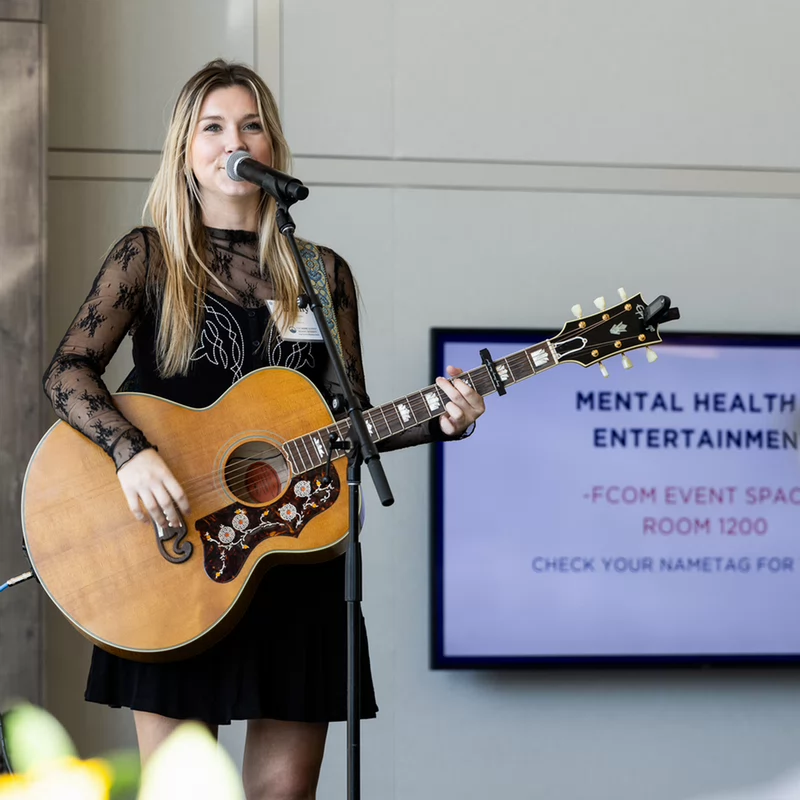
CENTER FOR MENTAL HEALTH IN ENTERTAINMENT WORKSHOP
On Oct. 16, Belmont University launched its Hope Transforms Capital Campaign alongside a powerful Workshop on Mental Health in Entertainment, co-hosted by College of Entertainment and Music Business Dean Britney Schaffer and College of Pharmacy and Health Sciences Dean Sharrel Pinto. During this Hope Summit event, we announced the launch of our Center for Mental Health in Entertainment to industry leaders, academics, healthcare professionals and philanthropists. This successful workshop united key partners committed to supporting the well-being of the entertainment community through collaborative, cross-disciplinary efforts.
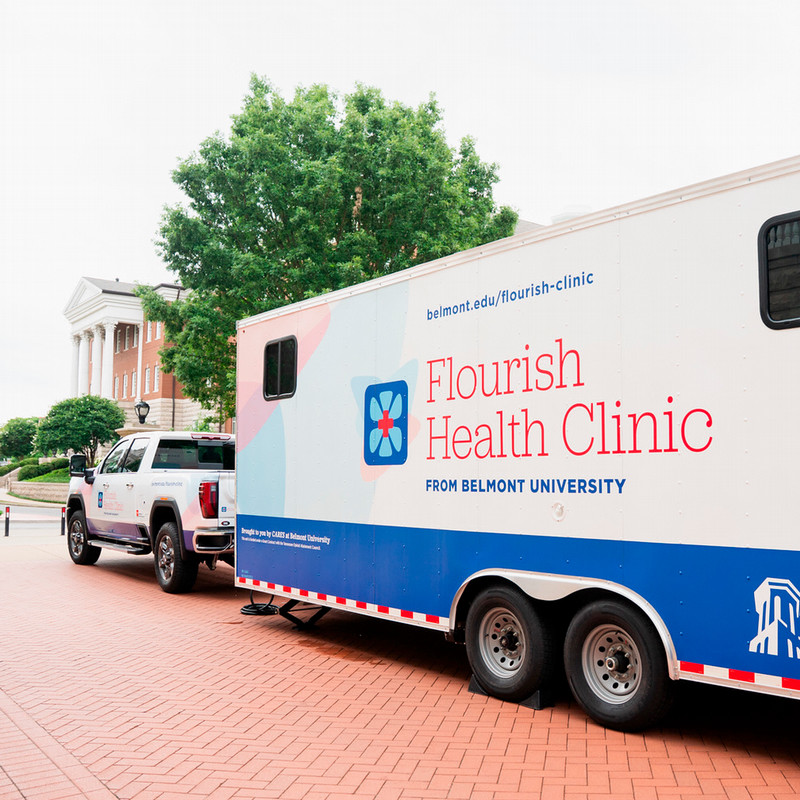
BU TRAINS MOBILE FLOURISHING CLINIC
Drs. Tracy Frame and Amy Henneman have secured major state funding to launch Belmont's first mobile health unit — an innovative platform that simultaneously addresses the opioid epidemic and transforms interprofessional health sciences education through real-world community engagement. The BU TRAINS model implements treatment delivery, harm reduction strategies and increased access to care for underserved communities. The Flourish Mobile Clinic serves as a living classroom where faculty and students from multiple colleges deliver cross-disciplinary care to individuals experiencing housing insecurity and other vulnerable populations.
Learn More:
Flourish Mobile Clinic BU TRAINS
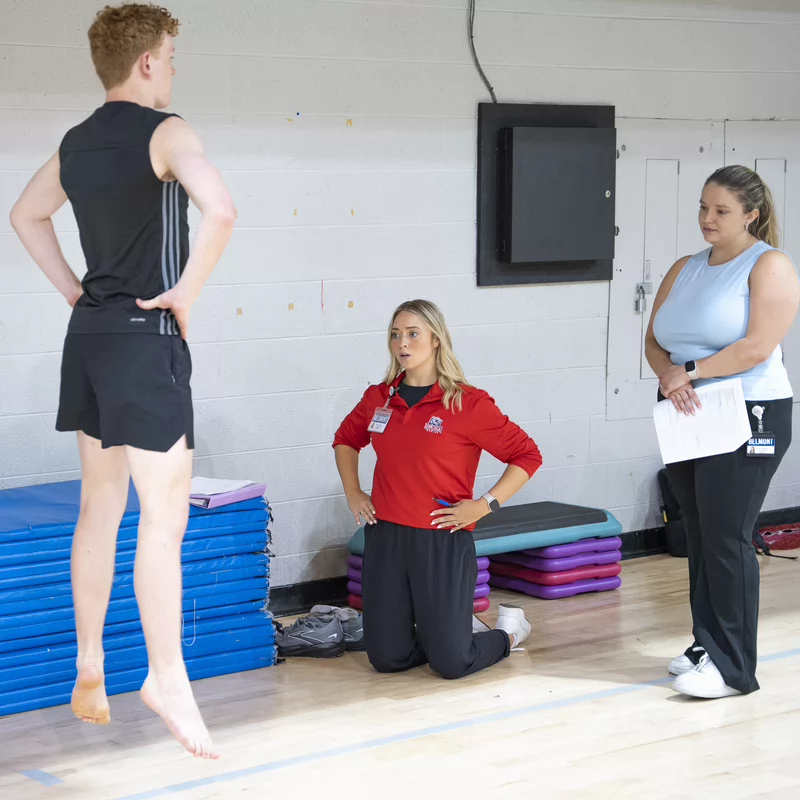
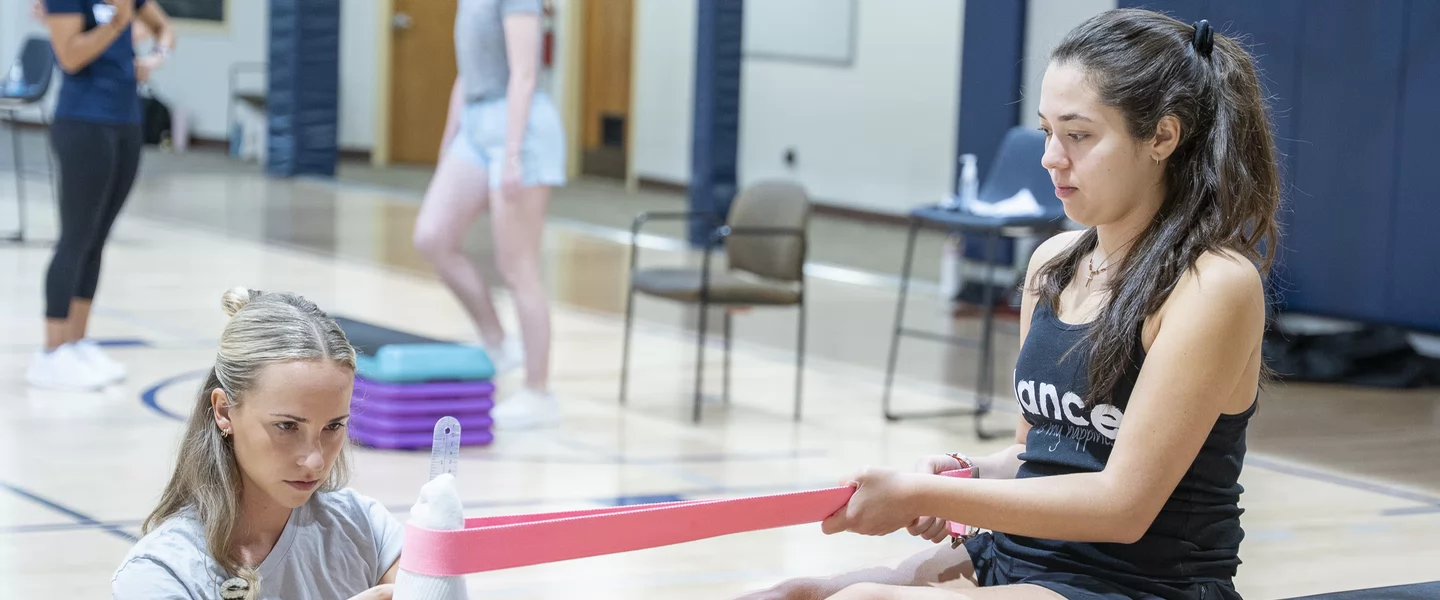
2ND ANNUAL DANCE POP-UP CLINIC
Debbie Belue (College of Music and Performing Arts) and Dr. Lindsay McNeal Ison (School of Physical Therapy) have partnered to provide Dance Pop-Up Clinics addressing a critical healthcare gap: performing arts students face the same physical demands as athletes but often lack equivalent access to injury prevention and wellness services. In the most recent clinic, 28 Dance Company members received comprehensive health screenings across 16 specialized stations. The program achieved 88% satisfaction among dancers and 100% value rating from physical therapy students, establishing a new standard for supporting performing arts students in higher education.
PHYSICAL THERAPY FOR THE VOCAL ATHLETE
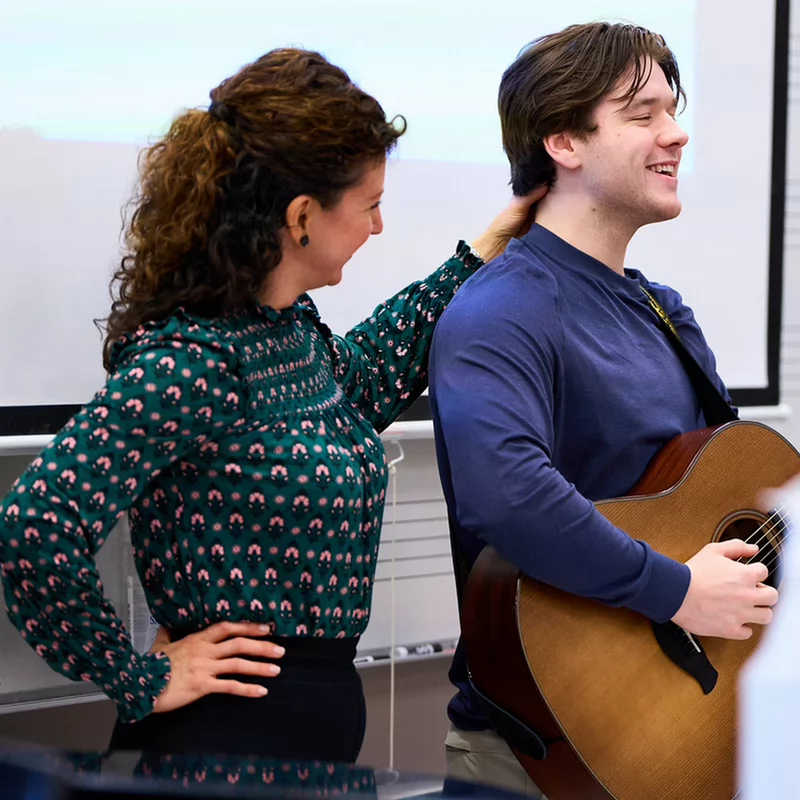
Drs. Lindsay Ison (School of Physical Therapy) and Angela Yoon (School of Music) have developed an innovative partnership that treats singers as vocal athletes, addressing the critical but often overlooked physical dimensions of vocal performance. Their work produced "Physical Therapy for the Vocal Athlete," a highly successful WELL Core workshop series that served over 100 students. The program focuses on body awareness, movement efficiency and injury prevention, drawing direct parallels between vocal training and sports medicine to ensure healthier and more sustainable careers for performing artists.

EXAMINING TRAUMATIC STRESS-RELATED RESPONSES IN JURORS
Dr. Jenel Cassidy, in collaboration with Davidson County Criminal Court judges, is leading an innovative study examining the psychological impact of jury service on citizens who serve on violent criminal trials. This research addresses a critical gap in juror mental health support by implementing immediate post-trial debriefing sessions using the "Graduated Jury Stress Management" protocol. The study compares trauma-related stress responses between debriefed and non-debriefed jurors, establishing evidence-based mental health protocols that ensure jurors receive appropriate psychoeducation, resources and support.
Get Involved
Work with us to advance health and wellness for all.