

Listen to the Episode
About the Episode
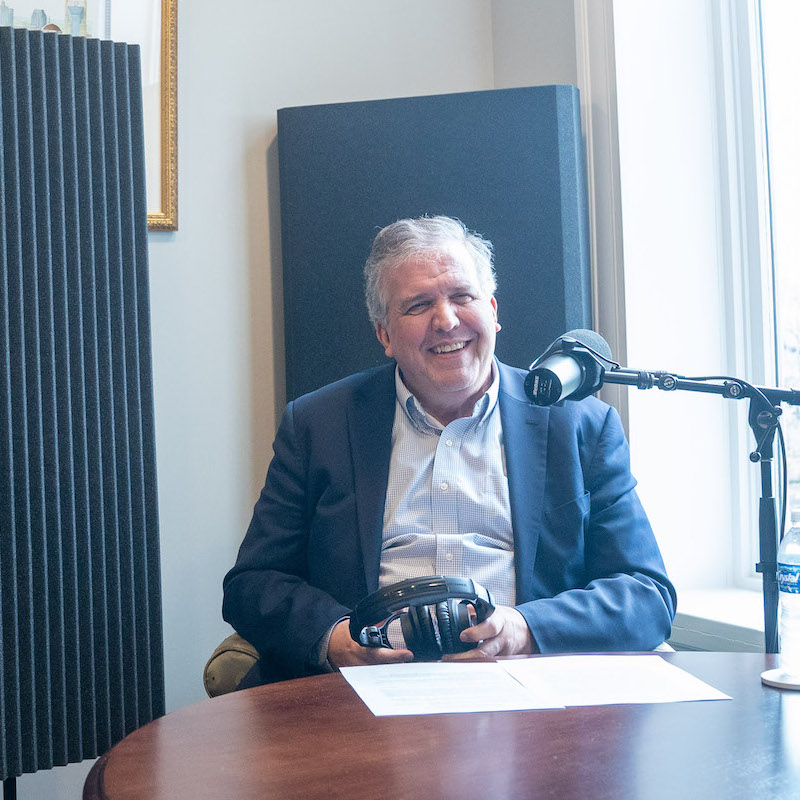
Philanthropist and innovator Noah McMahon joins The Hope People Podcast to share how generosity, creativity and courage are reshaping the future of giving — and why hope thrives when we think bigger.
Inspiring generosity. Leading with heart. Unburdening philanthropy.

For Noah McMahon, hope and imagination are inseparable. A lifelong innovator, he began his career at The Walt Disney Company, surrounded by dreamers who taught him that even “silly ideas” can change the world. That creative foundation inspired his journey into philanthropy — one driven by bold ideas and the courage to reimagine what’s possible.
“Some of the best solutions in the world are simple. It’s not about how much money is needed,” he says. “It’s about coming up with the answers.”
From working alongside Peter Diamandis to help launch the XPRIZE and Zero Gravity Corporation, to building philanthropic models rooted in innovation, Noah has seen firsthand how curiosity and collaboration unlock change.
This episode covers…
- How humility, imagination and hope drive lasting impact.
- Why young people should see generosity as opportunity, not obligation.
- The art of hospitality and the power of empathy in leadership.

“Some of the best solutions in the world are simple. It’s not about how much money is needed. It’s about coming up with the answers.”
Redesigning Generosity for a New Era
From launching global initiatives to mentoring the next generation of changemakers, Noah believes philanthropy is entering its most transformative era yet.
As the founder of Anonymous Philanthropy, he’s helping donors, innovators, and visionaries collaborate on ideas that redefine impact — proving that hope, imagination and humility can change the world.
“In philanthropy, not enough people are swinging for the fences,” he believes. “If boards pushed them harder and donors believed in them more, they could do even more.”
Through Anonymous Philanthropy, Noah offers donors a subtle but revolutionary mindset shift — one that transforms charity into intentional problem-solving. “Instead of asking what charity I should give money to, let's start with what is it that you want to accomplish?”
For Noah, philanthropy isn’t just about giving money away; it’s about designing outcomes that matter.
By pairing donors with experts in medicine, education, music and science, his organization helps craft strategies that focus on impact, not input — measuring success by lives changed, not dollars donated.
He calls this approach “design thinking” for generosity, and it’s helping shape what he calls the golden age of philanthropy — a future where young leaders, tech innovators and business minds work hand-in-hand with humanitarian goals.
Leading Through Humility, Hospitality, and Heart
While Noah has worked with some of the world’s most recognizable figures — from Miley Cyrus to the Dalai Lama — he chooses to stay behind the scenes. The very name Anonymous Philanthropy reflects his belief that service is most powerful when it’s not about recognition.
“If we can make it about the problems we're trying to solve and not about us, we can accomplish a lot more.”
Noah’s leadership style blends humility with hospitality, a lesson he’s applied not only in business but in life. Having owned restaurants and cooked at the James Beard House, he views hospitality as a spiritual practice –– anticipating others’ needs, creating space for connection and helping people feel seen.
“There are so many things in this world that money can’t buy, but they’re better than what money can buy,” he offers. “Our imaginations and our curiosity can solve problems and make people feel loved and seen.”
Noah demonstrates that great leadership begins with how we show up for others, and his philosophy captures it perfectly. “We believe deeply in hospitality and not just serving someone a cup of coffee, but going much deeper than that,” he explains. “It's something that we encourage everybody to study, but my gosh, it should be in everybody's DNA.”
Turning Obligation Into Opportunity
Noah sees immense potential in the next generation inheriting both wealth and responsibility. He wants to replace their sense of obligation with one of opportunity — helping them recognize the joy and privilege of shaping a better world.
“A lot of young people see philanthropy as a burden. They think it’s hard work or they might not feel that they’re worthy,” Noah explains.
“One of our greatest goals is to help people like that realize it's not a burden. It's the most incredible opportunity, and we want you to figure out how to use it to make the world a better place and have a lot of fun while you're doing it.”
With the greatest transfer of wealth in history underway, he believes this moment calls for creativity, empathy and collaboration — a chance to harness resources and imagination to solve the world’s biggest challenges.
When asked what advice he would give to young dreamers, Noah’s answer is simple but powerful: believe you belong at the table.
“Everybody has the potential. Surround yourself with people who believe in you,” he says. “It will help you get past the tough parts and help you understand that you really could solve any problem and be anybody that you want.”
His message mirrors the spirit of The Hope People: that hope is not passive optimism. It’s a call to action. Through generosity, design thinking and empathy, Noah McMahon reminds us that the future of giving isn’t just about writing checks; it’s about rewriting what’s possible.
Stay Connected to The Hope People
Follow The Hope People wherever you get your favorite podcasts, and visit thehopepeoplepodcast.com for ways you can become an Agent of Hope yourself!
For more writings and content from Belmont University and President Greg Jones on the power of hope in our lives, sign up for Greg’s listserv.

Recent Episodes
Stay inspired!
Sign up to be notified about new episodes and more.