
Is Film Production right for you? | What You'll Learn | Program Details | Outcomes | Career Possibilities | Testimonials | FAQ
Why study Motion Picture Production at Belmont?
You want to bring great stories to life, and Belmont hands you the tools to start now. As a motion picture production major, you take your love of film and creative storytelling and turn it into a career, in a program named to Variety’s list of the top film schools for the eighth year in a row. With scripted and unscripted streaming content in constant demand, there has never been a better time to earn a film production degree.
You create your own path. If you thrive on collaboration and high-energy sets, you might work in fast-paced production roles. If you prefer behind-the-scenes precision, you could become a post-production supervisor, editing long after filming wraps. Guided by experienced faculty and a collaborative creative community in the Curb College, you build the career you imagined.
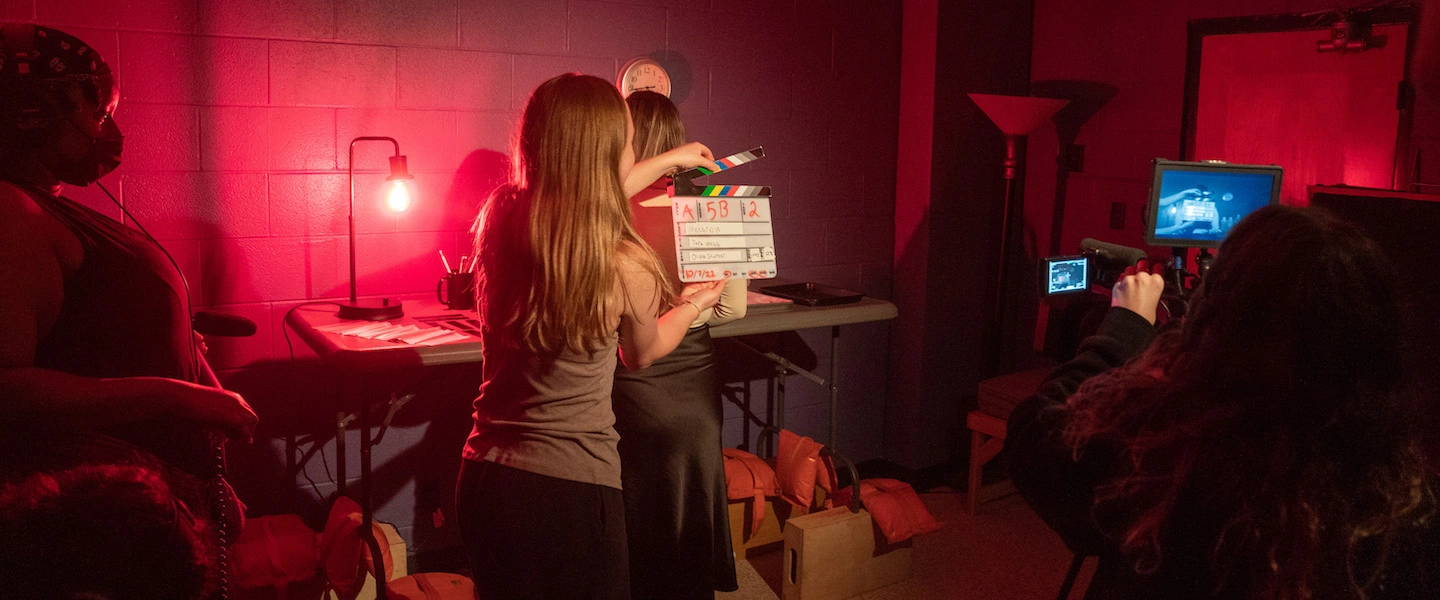
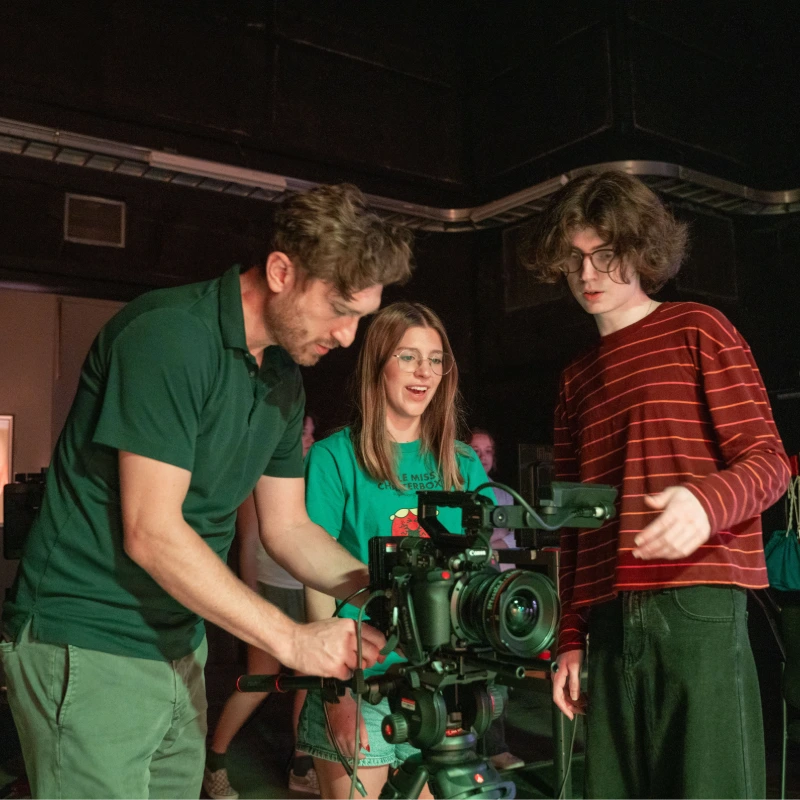
You do it hands-on. From your first semester, you shoot, edit and produce original content, gaining experience across every phase of the movie-making process. You learn what makes a compelling story and how to bring it to life, whether you work behind the camera, in the editing suite or leading a production team.
No separate application required. Admission to the program is included in Belmont's general undergraduate application. There is no audition (“portfolio” for MOT) or secondary process needed.
Request Information
Discover Film Production in Nashville
You study film where the industry is booming. In 2024, Tennessee’s motion picture and video production industry generated approximately $728 million in economic impact, a 43% increase over five years (Tennessee Entertainment Commission), and employment in the sector has grown 126% over the last decade, adding nearly 1,900 jobs across the state. Tennessee ranks fifth in the nation for motion picture and video production employment, with projections estimating another 19% growth in the coming decade.
On-Campus Access and Industry Networking
You build your network before you graduate. Belmont students in motion picture production can work on productions across Music City and Middle Tennessee, and the college hosts red-carpet screenings, film festivals and student showcases that connect emerging filmmakers with industry professionals. Each fall, the Nashville Film Festival brings roughly 15,000 attendees, screens more than 180 films and features industry panels, networking events and pitch competitions, including Academy Award-qualifying short categories.

Professional Facilities From Day One
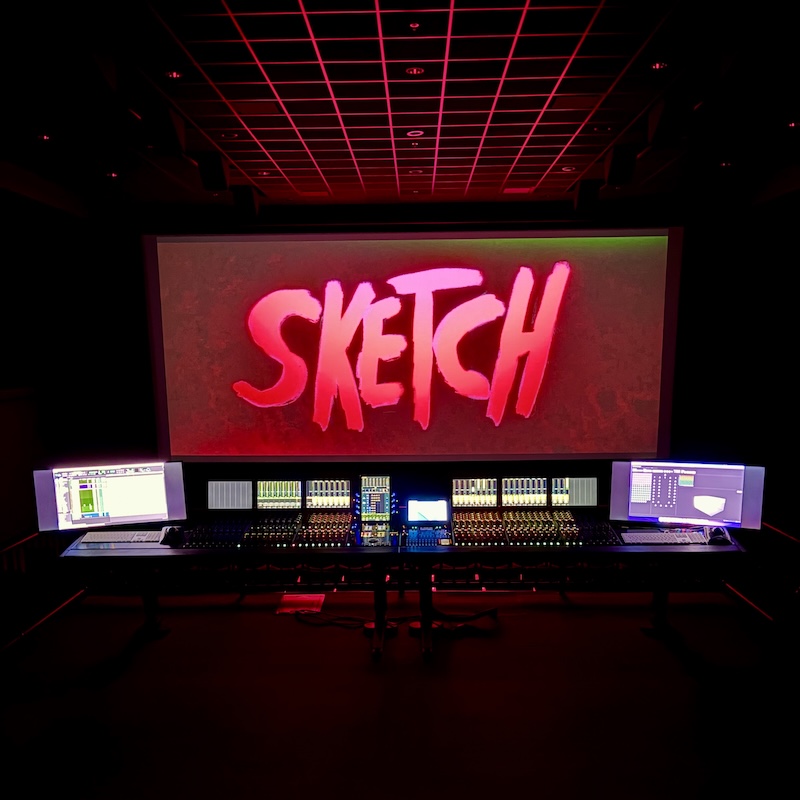
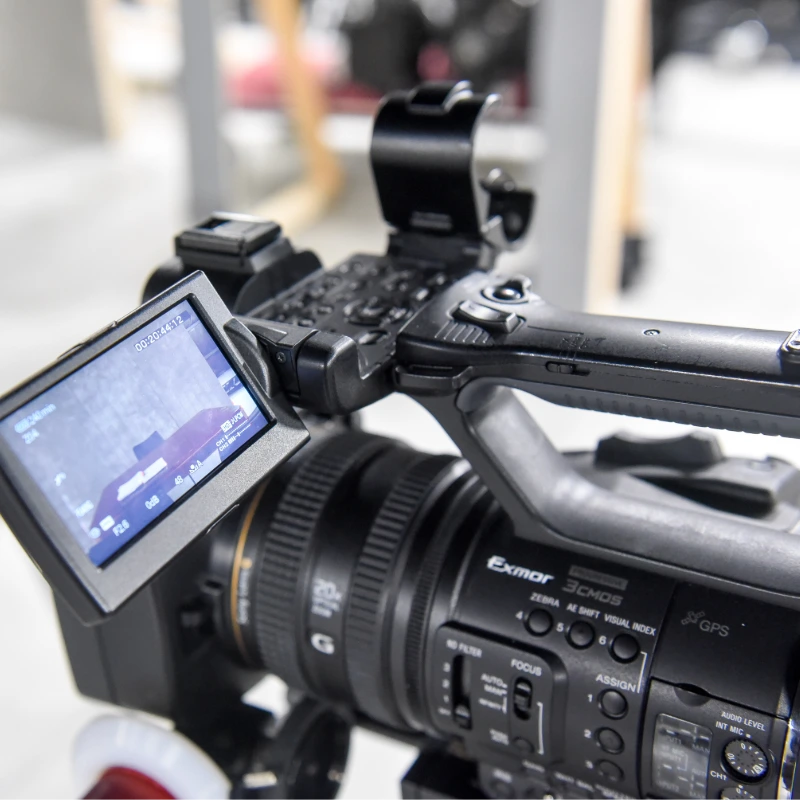
You train on the same kind of equipment used on professional film sets. You have access to professional-grade soundstages, dedicated editing suites, camera packages and post-production suites, so the skills you build transfer directly to a working set. Your degree culminates in a year-long capstone in your chosen specialty.
Is Motion Pictures Right for You?
This program fits several kinds of students:
- The director or cinematographer who wants to shape what ends up on screen and lead on set.
- The producer who thrives on collaboration, logistics and bringing a production together.
- The post-production specialist drawn to editing, sound and the precision work that happens after filming wraps.
You do not need a professional portfolio to apply. If you have past creative work like short films, sizzle reels or photography, you are encouraged to include it, but a love of storytelling and the drive to make films is what matters most.
Motion Picture Production or Media Production?
Belmont offers two related film and video paths, and the right one depends on your goals. Motion Picture Production is dedicated to the craft of long-form narrative cinema, film and episodic television, with intensive training in lighting, grip and electric, and narrative directing. Media Production is a broader, broadcast-focused track. If you want to make narrative films, Motion Picture Production is built for you.
Learn Every Phase of Filmmaking
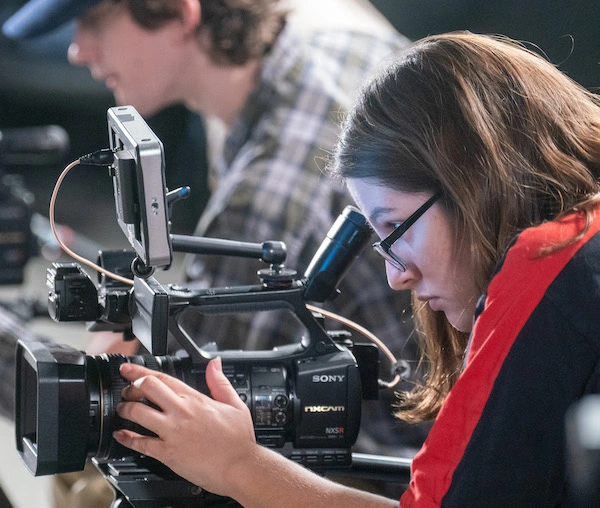 In Belmont’s Motion Picture Production degree, you learn to:
- Shoot, edit and produce original films from your first semester
- Direct narrative film and episodic television
- Operate professional cameras, lighting and grip and electric equipment
- Build and lead a production team
- Edit and finish films in professional post-production suites
Through a mix of technical training and artistic development, you study the foundations of screenwriting, cinematography, directing, editing, sound and production management, the essential elements of any film production degree.
Program Details
Curious about your coursework? View requirements for this degree in the course catalog.
Learn every stage of filmmaking, from story to screen, in a B.A., B.S. or B.F.A.
- Start with: Film History - Lumiere to Now, Art of Storytelling, Cinematic Storytelling and Screenwriting Fundamentals
- Production skills: Cinematography I, Editing I, Directing, Location and Post-Production Sound and Production and Set Management
- Industry: Production I, Advanced Preproduction and Motion Picture and Television Industry Practices
- Choose a senior film track: Producers and Directors, Screenwriters, Cinematographers or Editors
- B.F.A. emphases: Post Production, Screenwriting, Producing, Directing/Cinematography or Film Studies
For complete course descriptions, see the current catalog.
At Belmont, your classroom extends far beyond campus. As a motion picture production student, you’ll find a wealth of opportunities to gain real-world experience — across the country and around the globe.
Belmont in Hollywood is a flagship opportunity for motion pictures majors. This eight-week, summer immersion places you directly inside the entertainment industry in Los Angeles. Students build hands-on skills in production, editing, directing and networking while working in professional studios and attending seminars with top producers, screenwriters, cinematographers and agents. The program blends classroom theory with high-impact industry practice — helping students clarify career goals and build connections in one of the world’s top film markets.
Belmont USA offers similar industry-facing experiences in New York, Los Angeles, Oregon and other cultural hubs. Through internships, coursework and mentorship, you’ll apply your skills in real-time and learn what it takes to succeed in film, media and entertainment careers.
Through our growing partnership with Dolly Parton and CTK Enterprises, motion pictures students also benefit from Dolly U, a one-of-a-kind program that integrates academic learning with professional storytelling and production. Recent courses include editing for Dolly: The Making of a Musical, giving students access to exclusive behind-the-scenes footage and professional workflows. Select students are also chosen for paid summer fellowships, working directly with Broadway producers, stage managers, sound designers and more.
And thanks to Belmont’s nationally ranked global education program, you can study film, storytelling, and media culture around the world. The University ranks 15th in the nation for undergraduate study abroad participation. Faculty-led programs span four continents, offering immersive experiences in countries like Japan, Italy, France and the United Kingdom. With more than 46 faculty-led programs and 1,000+ students studying abroad each year, you’ll develop a global perspective that enhances your storytelling and strengthens your creative voice.
Learn more about Belmont in Hollywood
Outcomes & Alumni Successes
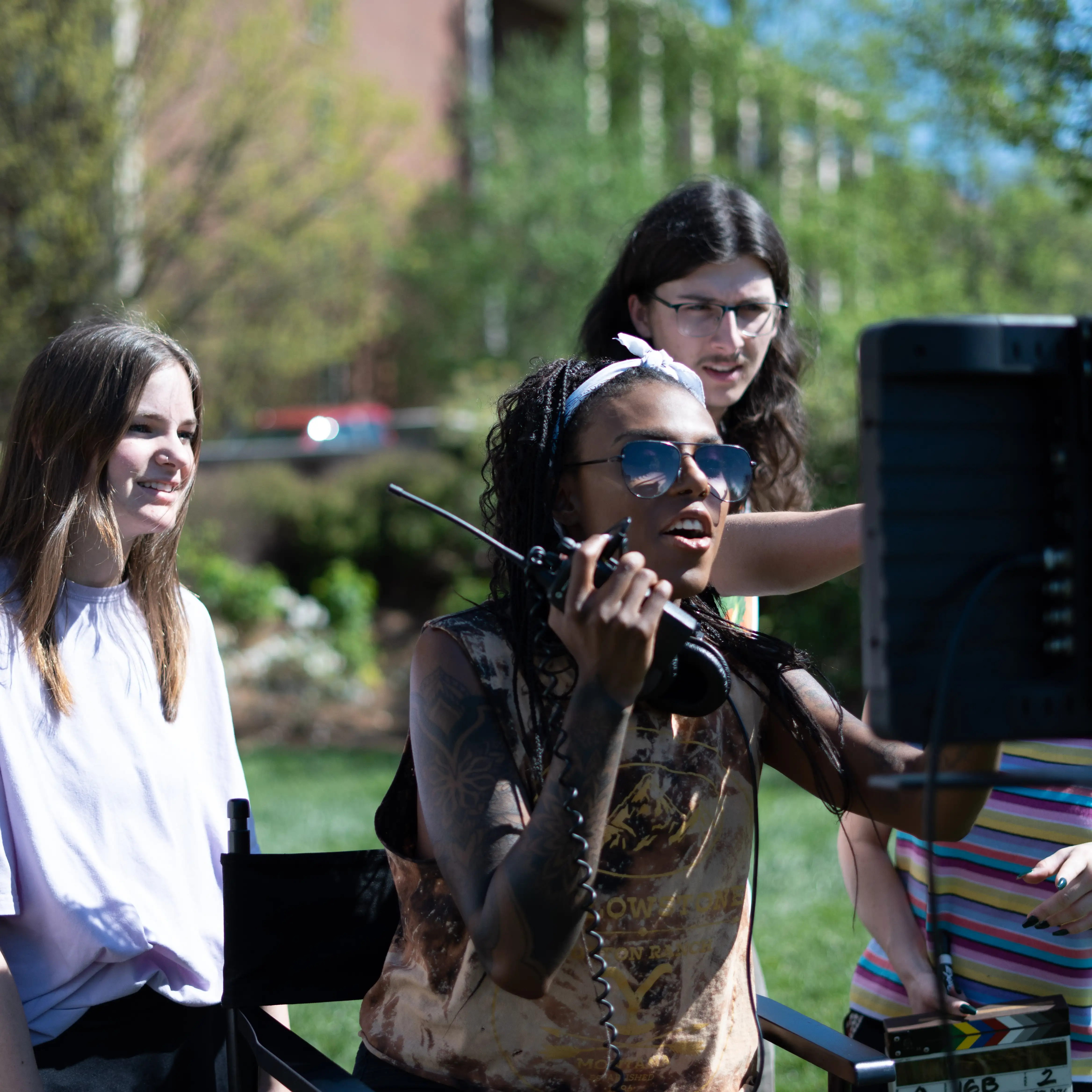 Belmont’s motion picture production graduates are making waves from Nashville to Hollywood — working in directing, producing, screenwriting, cinematography, editing and post-production for film, television and streaming media. Students gain a competitive edge through early hands-on experience, industry mentorship and access to professional-grade gear.
93.75% of Motion Pictures graduates reached a positive career outcome within six months of graduation (Class of 2025), part of a Curb College where 98% of graduates overall are employed, continuing their education or serving in the military within six months.
Recent Motion Pictures graduates have been hired across film, television and media, including:
- The Walt Disney Company
- Lionsgate
- Atlantic Records
- Encore
- Grainger
- WSMV-TV and WZTV Fox 17 (Nashville)
- 9-1-1 Nashville
- EquiMotion Media
- Proof & Process
A screenwriter crafts scripts for mass media such as feature films, television productions or video games.
A television, film or video producer oversees a project from concept to completion, and manages the project finances and fundraising. A producer may also be involved in marketing and distributing the final product.
A movie production relies on a director to choose a script, cast and crew, approve designs for costumes, pictures and sets, rehearse and film scenes, ensure that the production stays on schedule and within the budget and oversee post-production activities, such as editing.
The production assistant role offers a strong entry-level overview of the film and television industry. While responsibilities differ, a production assistant role covers a wide variety of non-technical tasks related to the execution of projects.
A cinematographer or director of photography (DP) is responsible for the artistic and technical decisions related to the image and gives direction to the camera and lighting crews working on a film, television production or other live-action piece.
Numerous opportunities can be found on the business side of the motion pictures industry, including publicists and social media strategists, marketers and professionals involved in the sales and distribution of video and film projects.

Mary Spaulding
Motion Pictures
Exec. Assistant/Production Coordinator, NBCUniversal
"Dr. Amy Bertram, motion pictures faculty, had a big impact on me during my time at Belmont. She made an effort to get to know me as a person and showed me so much compassion while also ensuring I was challenged in her courses. Outside of the classroom, she was an active participant in extracurricular activities, hosted talks at the Belcourt Theater and sought out job opportunities for students. Although I graduated over three years ago, she still checks in consistently to provide support where she can."
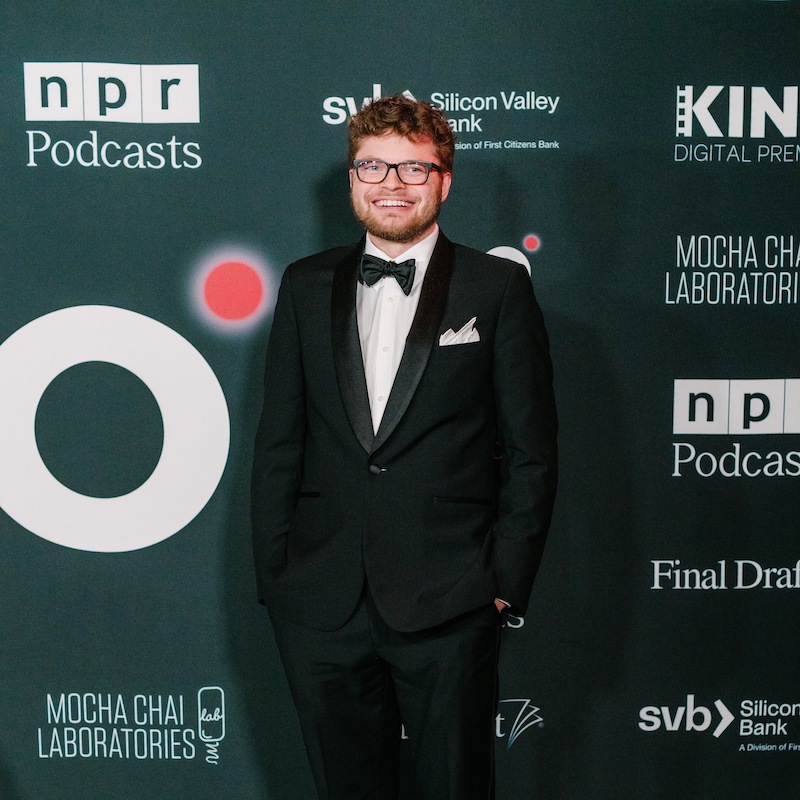
Carter Bowden
Motion Pictures
Director, editor and producer; Los Angeles-based filmmaker ("Snowflake")
"The idea of getting to grow as the department was also growing seemed really interesting. I had various teachers at Belmont give feedback on certain aspects of the film."
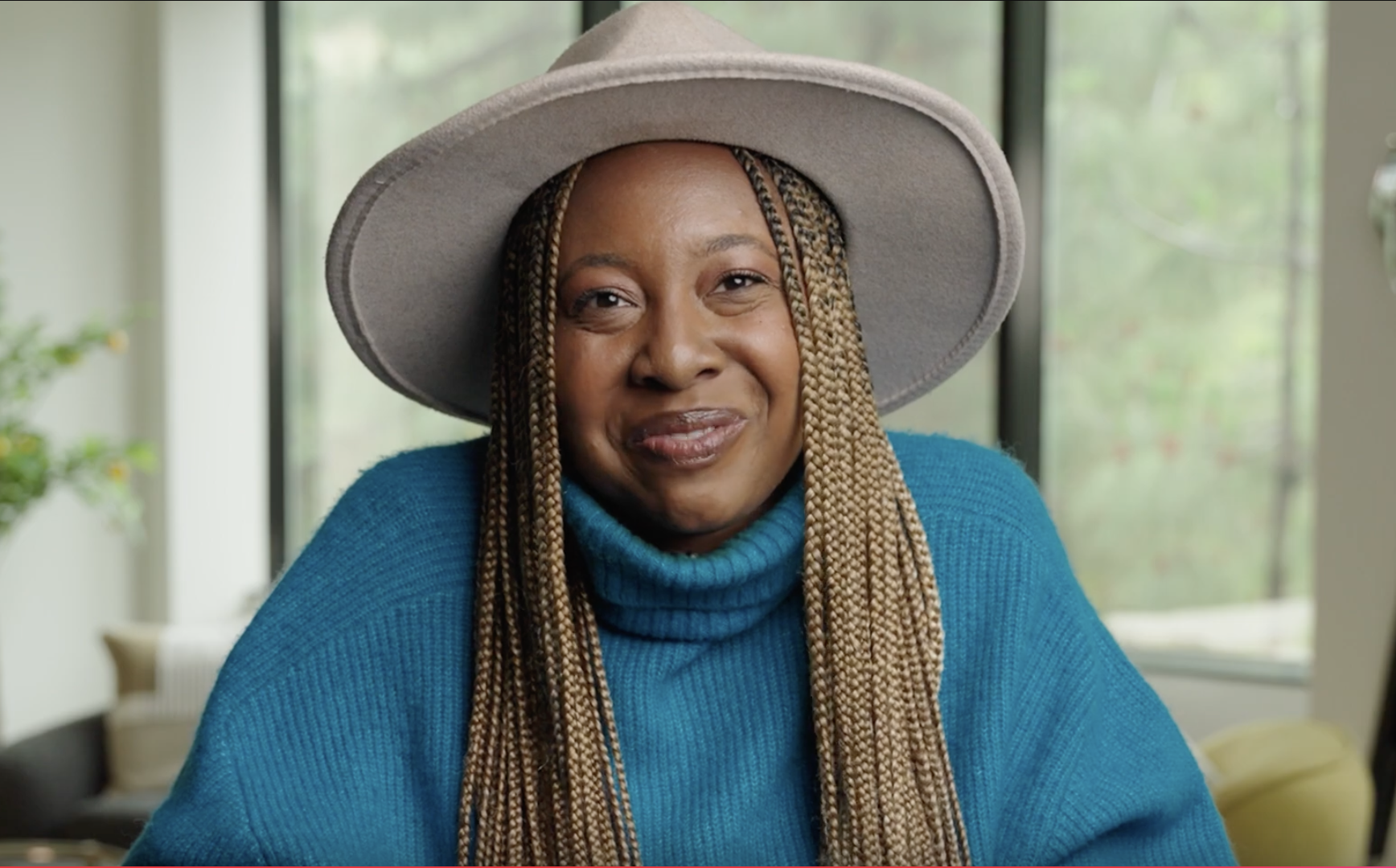
Kayla Young
Motion Pictures
Segment Producer, "Access Hollywood" (previously "The Kelly Clarkson Show")
"Belmont gave me the faculty support, the collaborative creative community and the Belmont in Hollywood experience that prepared me to thrive in L.A."
Learn from Experienced Faculty
Our motion picture production faculty bring decades of real-world experience into the classroom, mentoring students in the art and craft of filmmaking while preparing them for careers in a fast-paced, competitive industry. Whether you're learning screenwriting from a Sundance alum, editing with an Emmy-winning sound designer or exploring directing with a CMA-nominated filmmaker, you’ll benefit from the personal, practical guidance of seasoned professionals who are passionate about storytelling and student success.

Jennifer Bergen
Email: jennifer.bergen@belmont.edu
Office Location: Johnson Center 456

Jennifer Blair
Email: jennifer.blair@belmont.edu
Office Location: Johnson Center 459

Terry Dull
Email: terry.dull@belmont.edu
Office Location: Johnson Center 465

Brinn Heidebreicht
Email: brinn.heidebreicht@belmont.edu
Office Location: Johnson Center 373

Jake Mahaffy
Email: jake.mahaffy@belmont.edu
Office Location: Johnson Center 486

John Lloyd Miller
Email: johnlloyd.miller@belmont.edu
Office Location: Johnson Center 464


Dagan Reinhardt
Email: dagan.reinhardt@belmont.edu
Office Location: Johnson Center 467

Rick Rekedal

Bob Scarborough
Email: bob.scarborough@belmont.edu
Office Location: Johnson Center 454

Dave Warburton
Email: dave.warburton@belmont.edu
Office Location: Johnson Center 457
Belmont’s Motion Picture Production program stands out for its focus on narrative storytelling and high-end cinematic production, teaching the technical and creative craft of directing, cinematography and production management. Belmont has been named to Variety’s list of the top film schools for the eighth consecutive year.
No, there is no professional portfolio requirement to apply. You are encouraged to include past creative work, such as short films, sizzle reels or photography, to help faculty understand your creative vision, but it is not required.
Motion Picture Production is dedicated to long-form narrative cinema, film and episodic television, with more intensive training in lighting, grip and electric, and narrative directing. Media Production focuses on non-scripted content such as event video production, live broadcasts, television studio production and more. If you want to make narrative films, Motion Picture Production is built for you.
Yes. You train on professional-grade soundstages and in dedicated editing suites, using the same kind of equipment found on professional film sets, plus camera packages and post-production suites.
Belmont connects you to the film industry through Nashville’s rapidly growing film sector, helping you build relationships with local industry veterans, independent production companies and rental houses before you graduate. The college also hosts screenings, festivals and showcases with industry professionals.
Yes. You make original films starting your first semester and create multiple narrative films throughout the program, graduating with a professional reel that demonstrates real production experience.
All three degrees require 128 total credit hours and share the same hands-on film production foundation in the Curb College. The main difference is how much of your coursework sits inside the major. The BFA is the most production-intensive path, with a reduced general-education core (38 hours instead of 53), leaving more room for filmmaking coursework. The BA and BS carry the full 53-hour core, giving you more flexibility to pair film with other interests, electives or a second focus. Your admissions coordinator can help you choose the path that best fits your goals.
Related Stories


Contact Us
Mike Curb College of Entertainment & Music Business
Emily Reynolds
Assistant Director of Admissions
615.460.6453
Email Emily
Plan Your Visit
There's no better way to experience Belmont than by visiting campus. Whether you attend an admissions event, take a student-led campus tour or explore Nashville while you're here, a visit helps you picture yourself as part of the Belmont community.