
Is AET right for you? | Choose Your Emphasis | What You'll Learn | Program Details | Outcomes | Career Possibilities | Testimonials | FAQ
Where the Science of Sound Meets the Art of Storytelling
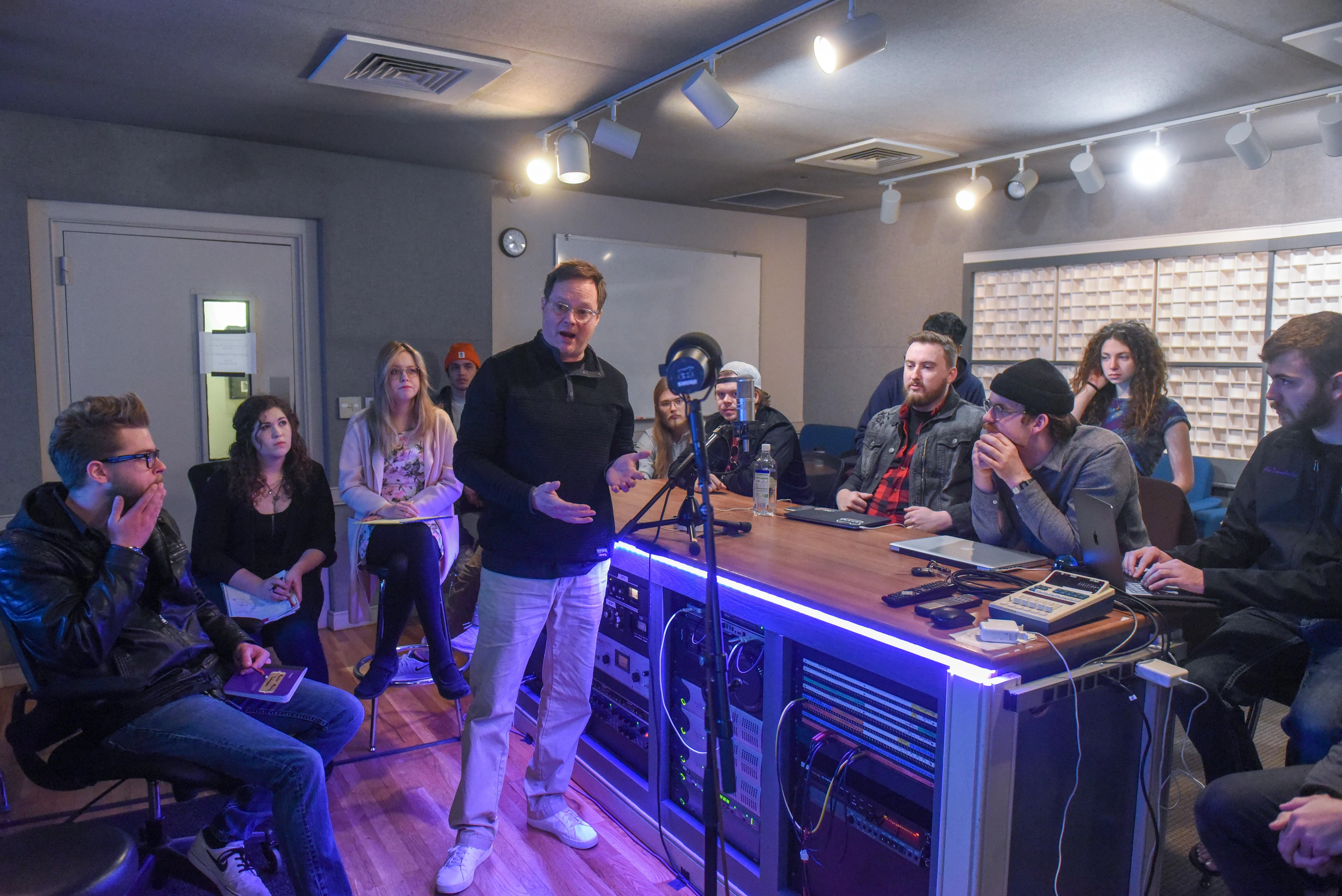
Whether you are drawn to studio recording, live audio, post-production or software design, Belmont’s Audio Engineering Technology program builds the technical and creative skills to work in a fast-moving industry. You learn signal flow, acoustics and recording technology alongside real studio production, sound design for film and games and live audio.
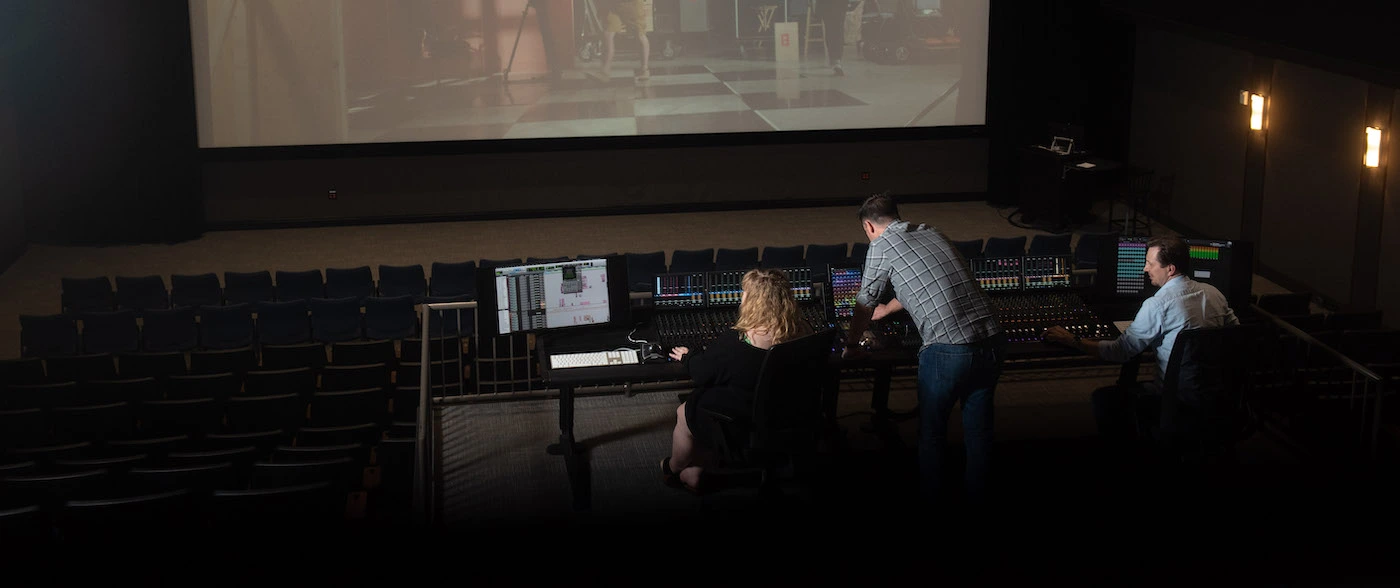
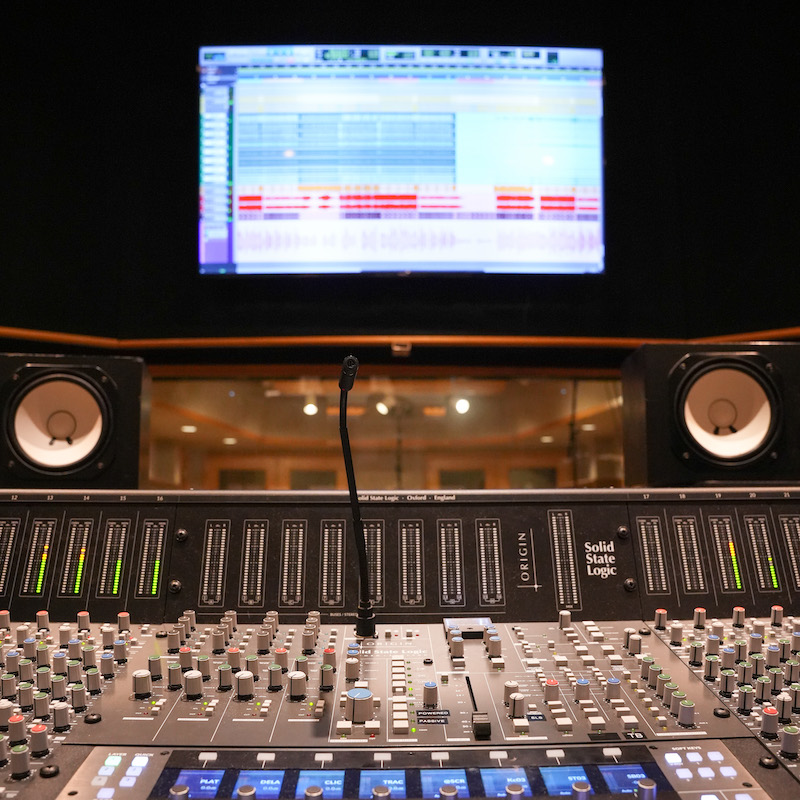
You learn it hands-on. Belmont’s AET program is ABET-accredited, the same rigorous engineering standard employers and graduate schools recognize, and you train on the professional-grade gear the industry uses, including a Dolby Atmos mix stage and student-run studios. Billboard recognized Belmont among its top audio engineering programs in 2023.
You do it on Music Row. Belmont’s campus sits between Music Row and Berry Hill, giving you direct access to professional studios, venues and audio-tech companies, and internships at facilities like Ocean Way Nashville and Columbia Studio A.
Not sure which path is right for you?
Compare all Creative Careers programs
Request Information
Learn From the Industry, Wherever It Happens
Nashville is a global production hub and a growing force in film, television, game audio and live event production. Belmont students intern and work at world-class facilities including Ocean Way Nashville, Columbia Studio A, The Quonset Hut, Sony Music Nashville, Clair Global and CMT. You also benefit from proximity to the Audio Engineering Society, The Recording Academy and the professional conferences Nashville hosts.
Your Classroom Includes a Dolby Atmos Stage
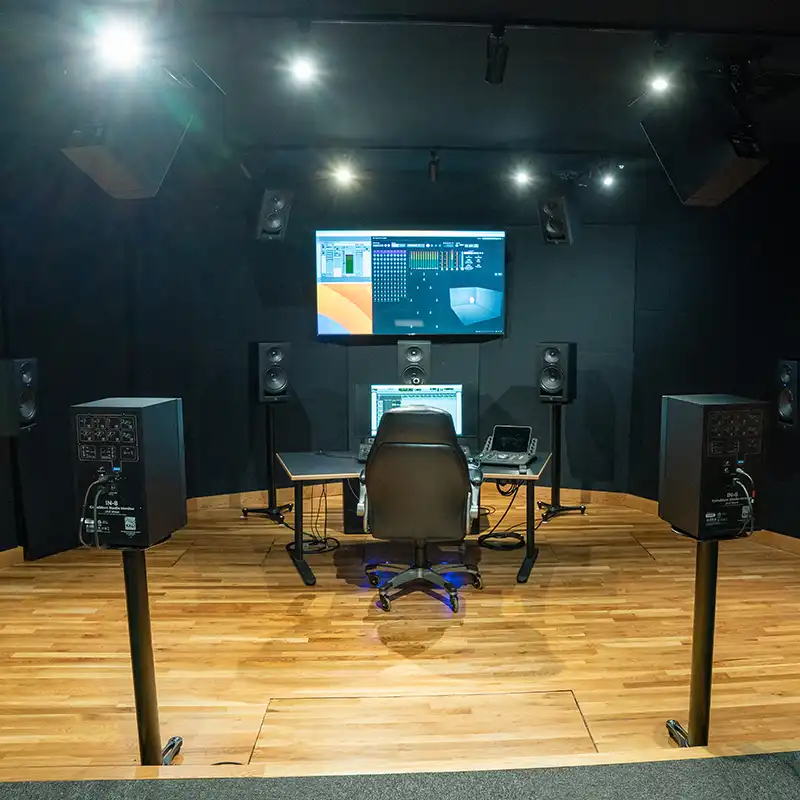
You train on professional-grade equipment from your first years, including a Dolby Atmos immersive mix stage and student-run recording studios, so you graduate fluent in the same tools the industry uses.
Real Productions, Real Credits
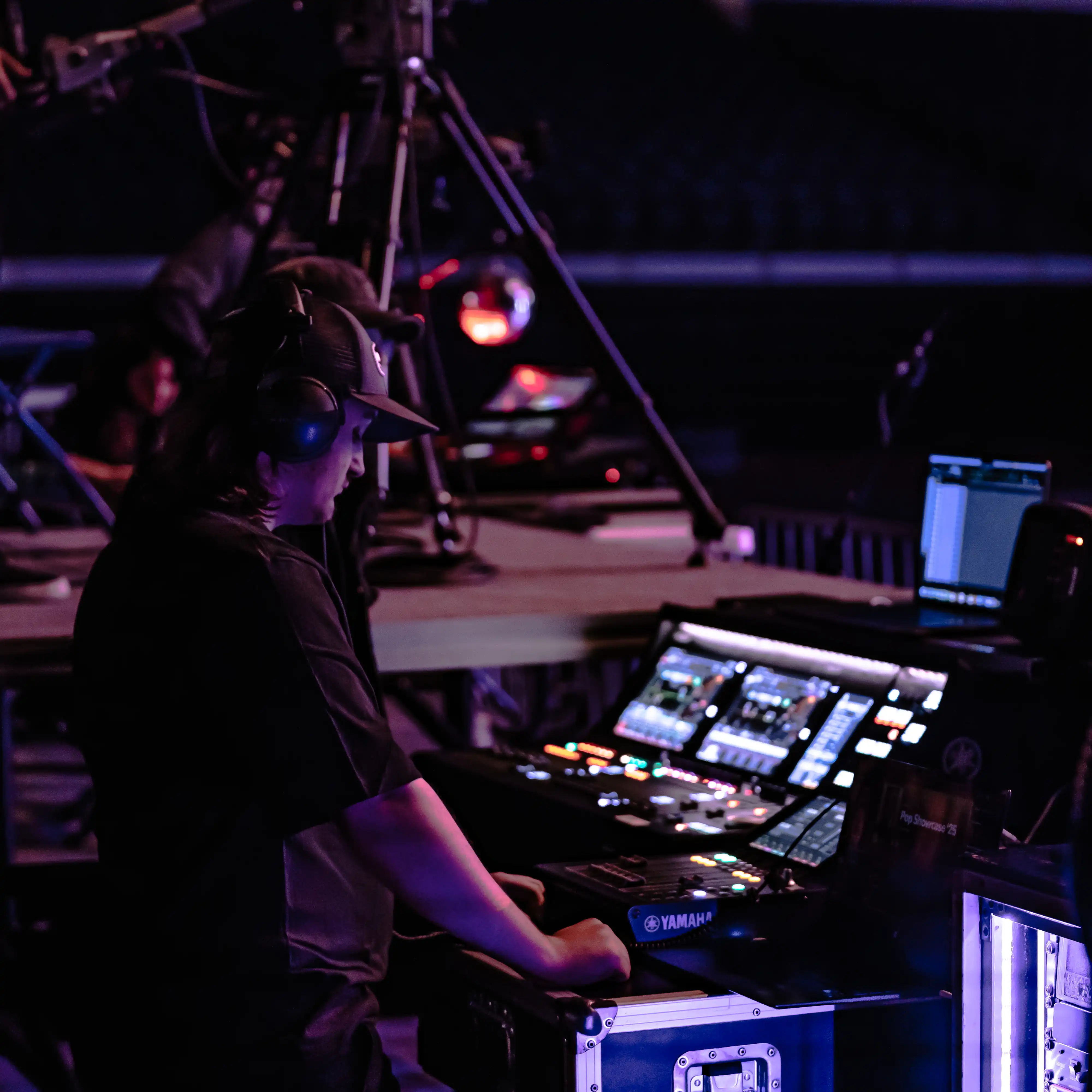
You put your skills to work on real productions. Through the AET Student Crew, you run audio for the Showcase Series and events at the Fisher Center. In Dr. Doyuen Ko’s Remote Recording course, you record and mix every episode of Belmont Tracks, the University’s student-artist YouTube channel. You graduate with real credits on your resume.
Belmont Tracks
Belmont Tracks is a YouTube channel showcasing the musical talents of Belmont student artists. Audio Engineering Technology students taking Dr. Doyuen Ko’s Remote Recording course record and mix the audio for every episode. Watch the Behind the Scenes video to learn more about their work, and click the link below to watch and subscribe to Belmont Tracks.
Is Audio Engineering Technology Right for You?
This program fits several kinds of students:
- The technical creative who wants to understand how sound works and also loves making it, and wants an accredited engineering path rather than a purely artistic one.
- The musician who plays or produces and wants the technical mastery to engineer at a professional level.
- The builder drawn to the gear itself, interested in designing audio equipment, software and systems.
You can major in Audio Engineering Technology without prior recording experience. The program teaches the fundamentals alongside advanced techniques, so it works for beginners and challenges experienced producers.
Choose Your Emphasis
You can customize the degree with an emphasis in:
- Studio Recording & Production — record, edit and mix in professional studios.
- Live Audio Production — run sound for concerts, tours and live events.
- Audio Post Production — design and mix sound for film, television and games.
- Audio Technology & Design — build the hardware and software behind audio tools.
Deciding how AET fits alongside Belmont’s other entertainment programs?
Build Engineering Skill You Can Prove

In Belmont’s Audio Engineering Technology program, you learn to:
- Apply math, science and engineering tools to solve audio engineering problems
- Design audio systems, components and processes to meet specific needs
- Run standard tests and measurements, then analyze and interpret the results to improve a process
- Communicate technical work clearly in writing, speech and graphics
- Work effectively as both a member and a leader on technical teams
You build these skills through core audio engineering coursework, electives, professional internships and collaborative projects with other entertainment, production and media programs.
Program Details
Curious about your coursework? View requirements for this degree in the course catalog.
The AET program is designed to study, investigate and contribute to the art, science and practical application of audio engineering. Graduates of the program are prepared to seek careers in the application, installation, manufacturing, operation and maintenance of audio and music recording, reproduction, processing and reinforcement systems. Students of the AET program complete the B.S. or B.A. degree with a major in audio engineering technology and a minor in a career-related discipline.
- BELL core requirements: 53 hours
- Major requirements: 50 hours
- Minor requirements: 18 hours
- General electives: 7 hours
No separate application required. Admission to the program is included in Belmont's general undergraduate application. There is no audition (“portfolio” for AET) or secondary process needed.
Students benefit the greatest by including extra-curricular activities along with their coursework. Be sure to investigate student organizations including the Belmont Student section of the Audio Engineering Society (AES), the Belmont Student Chapter of Audio Loudspeaker and Technologies International (ALTI), Belmont Student Chapter of GrammyU and the Belmont Showcase Series.
Belmont’s Study Abroad and Belmont USA programs provide the opportunity to studio audio while spending a semester in New York or Los Angeles, or while on a summer Study Abroad trip.
With Belmont USA, you’ll intern with top companies and continue your coursework. Students have interned with companies like:
- Warner Music Group (NYC)
- Live Nation (L.A.)
- SiriusXM
- EA Sports
- NPR Audio Engineering
 The Audio Engineering Technology program is accredited by the Engineering Technology Accreditation Commission of ABET, http://www.abet.org/.
We're committed to your success
Curb College's Professional Development team helps students and graduates grow their skills and networks, preparing them to enter the entertainment industry. To support this, our team offers one-on-one meetings, weekly workshops led by industry experts, off-campus networking events and hundreds of internships each semester. We serve as ambassadors and connectors for Curb College students and graduates through active involvement in the entertainment world.
Within six months of graduation, 98% of Mike Curb College graduates are employed, continuing their education or serving in the military, and 89% of employed graduates hold positions aligned with their short- or long-term career goals.
Recording engineers capture and help create musical performances through recording, editing and mixing.
Live sound engineers design, maintain and operate sound reinforcement systems at many different types of events, including concerts, theater and sports.
Movies, television, videos, gaming – all require an audio engineer who can create or blend a wide variety of sounds that bring the images on a screen to life.
Audio equipment and software require someone with a background in audio engineering to best develop products for that market.
Audio is a fast-growing field with many facets, and research within audio companies and universities is an important element in the design, manufacture and use of audio technology.

Jade Dickey
AET
Associate Sound Designer, Defacto Sound
"The program gave me my entire foundation — from learning Pro Tools to developing a trained ear for sound. The preparation paid off: just a year after graduation, I was trusted to help mix a feature film for theatrical release."

Jane-Claire Radde
AET
AET Student Crew, Fisher Center
“Every time I worked a show at Belmont, I learned something new. The Fisher Center gave me hands-on experience with industry-grade gear and the confidence to troubleshoot in real time. That kind of preparation is hard to find.”
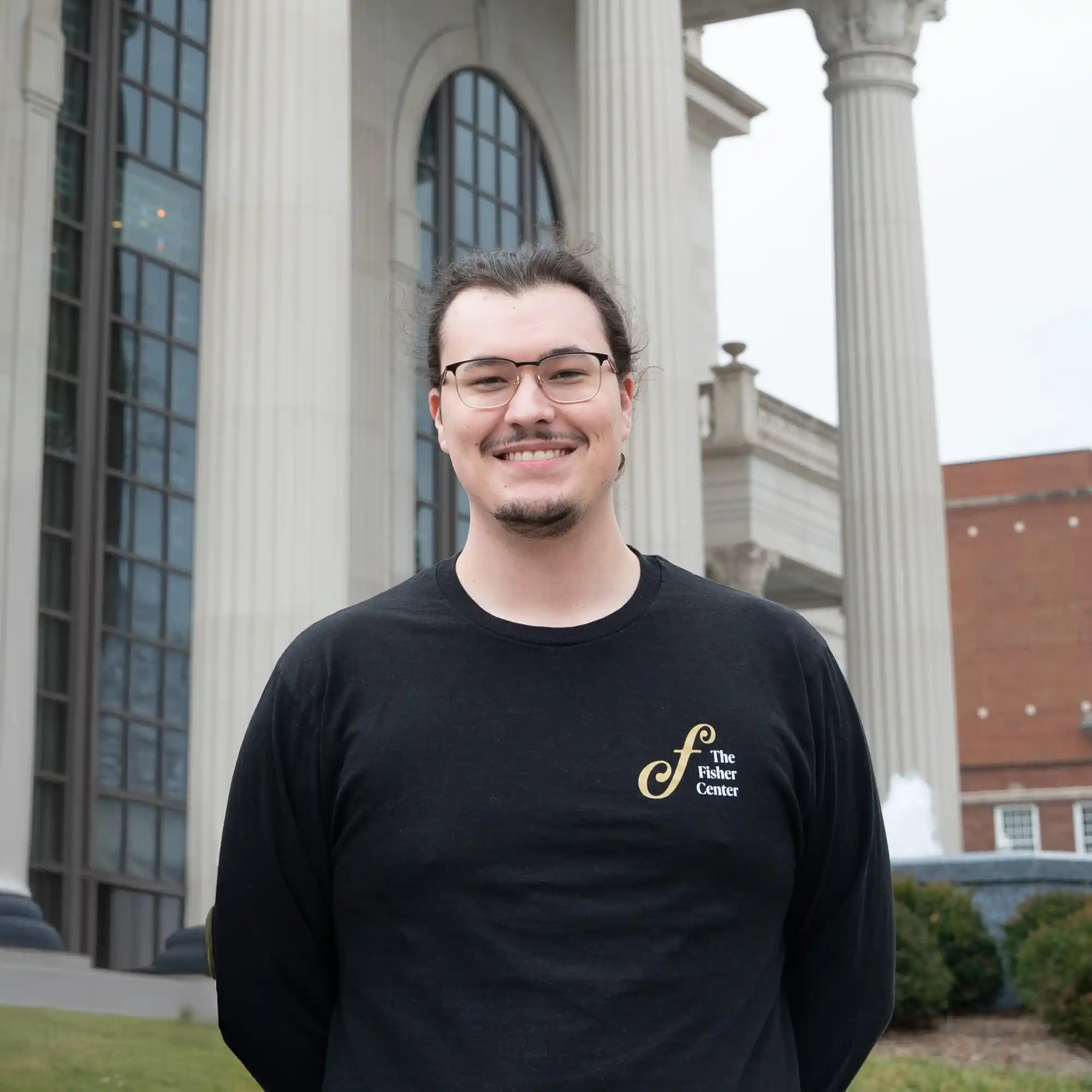
Jack Williamson
AET
AET Student Crew, Showcase Series & Fisher Center
“Belmont’s AET program didn’t just teach me how to run a console — it taught me how to collaborate, adapt and lead. Working behind the scenes of major productions while still in school gave me a huge head start.”
Learn from Experienced Faculty
The Audio Engineering Technology faculty at Belmont University brings together engineers, producers, composers, researchers and educators who have worked across broadcast, television, game audio, sound design and studio production. Whether composing for the Super Bowl, researching auditory perception or leading award-winning projects, our faculty shape a learning environment rooted in real-world expertise and cutting-edge exploration.


Wesley Bulla
Email: wesley.bulla@belmont.edu
Office Location: Johnson Center 331

Song Hui Chon
Email: songhui.chon@belmont.edu
Office Location: Johnson Center 332

James Cody
Email: james.cody@belmont.edu
Office Location: Johnson Center 333

Justin Dowse
Email: justin.dowse@belmont.edu
Office Location: REM Studios B1B

Jason Garner
Email: jason.garner@belmont.edu
Office Location: Johnson Center 365

Anderson Hall
Email: anderson.hall@belmont.edu
Office Location: Johnson Center 334

Gracie Hays
Office Location: Johnson Center 337

Michael Janas
Email: michael.janas@belmont.edu
Office Location: Johnson Center 336

Jim Kaiser
Email: jim.kaiser@belmont.edu
Office Location: Johnson Center 334


Jon D. Lechner
Email: jon.lechner@belmont.edu
Office Location: Johnson Center 485

Joe Martino
Email: joe.martino@belmont.edu

Scott Munsell
Email: scott.munsell@belmont.edu
Office Location: 34 Music Square East, 220

Benjamin Poff
Email: benjamin.poff@belmont.edu
Office Location: 34 Music Square East, 220

Leslie Richter
Email: leslie.richter@belmont.edu
Office Location: Johnson Center 454


David Tough
Email: david.tough@belmont.edu
Office Location: Johnson Center 335

Andy Wildrick
Email: andy.wildrick@belmont.edu
Office Location: Johnson Center 338

Byron Williams
Email: byron.williams@belmont.edu
Office Location: 34 Music Square East, 220
Studying audio engineering in Nashville places you blocks from Music Row, with access to legendary studios like Ocean Way Nashville and Columbia Studio A. You gain hands-on experience in professional spaces that most universities can only simulate, plus internships and industry connections while you study.
Yes. Belmont’s Audio Engineering Technology program is built around hands-on studio experience, with professional-grade facilities that include a Dolby Atmos immersive mix stage and student-run recording studios. You graduate having worked with the same equipment the industry uses.
Yes. Internships are a core part of the program and are strongly encouraged. Students intern at recording studios, live sound companies, broadcast facilities and touring production organizations across Nashville, including Ocean Way Nashville, Sony Music Nashville and Clair Global.
No. You do not need prior recording experience to apply. The program teaches the fundamentals alongside advanced engineering techniques, so it works for beginners while still challenging experienced musicians and producers.
AET graduates typically work as studio engineers, live sound technicians, audio systems designers and product developers for audio equipment manufacturers. Belmont graduates work behind the boards at top companies across the industry, and 98% of Curb College graduates are employed, continuing their education or serving in the military within six months of graduation.
Yes. Belmont’s Audio Engineering Technology program is accredited by ABET, the recognized accreditor for applied science, computing, engineering and engineering technology programs. That accreditation signals your degree meets the standards employers and graduate schools expect.
Stories from the Curb College

Contact Us
Mike Curb College of Entertainment & Music Business
Emily Reynolds
Assistant Director of Admissions
615.460.6453
Email Emily
Plan Your Visit
There's no better way to experience Belmont than by visiting campus. Whether you attend an admissions event, take a student-led campus tour or explore Nashville while you're here, a visit helps you picture yourself as part of the Belmont community.