

Why Study Art Education at Belmont?
 Art teachers do more than teach drawing, painting or design. They help students develop creativity, confidence, critical thinking and self-expression. Belmont's Art Education program prepares you to become both a practicing artist and a skilled educator. You'll explore a wide range of artistic media while learning how to create meaningful learning experiences for future students. Whether you dream of teaching in an elementary school, high school, museum or community arts program, you'll graduate prepared to help others discover the power of creativity.
Request Information
Artist First. Teacher Second. Both From Day One.
One of the most distinctive parts of Belmont's Art Education program is that you'll complete the same foundational studio coursework as Studio Art majors.
You’ll learn to make art while you learn to teach it. Throughout your degree, you'll develop skills in:
- Studio art
- Art history
- Art criticism
- Aesthetics
- Educational theory
- Teaching practice
This balance gives you both artistic depth and classroom readiness, helping you become the kind of teacher students remember for years to come.
What You'll Learn
- Curriculum Planning & Lesson Development
- Effective Classroom Organization & Management
- Media Exploration & Modification for Classroom Use
- Historical & Philosophical Foundations of Art Education
- Identification of Museum & Community Resources
- Assessment Strategies in the Arts
- Contemporary Issues, Ideas & Technology Specific to Art Education
90 Hours of Classroom Experience Before Student Teaching
Before beginning student teaching, you'll complete 90 hours of field experience in educational settings.
These experiences allow you to:
- Observe experienced educators
- Practice teaching strategies
- Work with students of different ages
- Build classroom confidence
- Connect theory to real-world practice
By the time you begin student teaching, you'll already have meaningful experience working directly with learners in classroom environments.
From the Watkins Studio to the Tennessee Classroom
Graduates of Belmont's Art Education program are prepared to earn a Tennessee Kindergarten through Grade 12 Art Teaching Certification upon successfully completing required licensure exams. For students who want flexibility after graduation, Belmont's certification pathway is reciprocal with certification pathways in 46 other states. Whether your future takes you to Nashville or across the country, you'll graduate prepared to pursue certification and begin your teaching career.
Curious about your coursework? View requirements for this degree in the course catalog.
Prepare to teach art in schools, museums and community settings.
- Art and design core: Surface and Color, Form and Site, Time and Sequence and Observation and Drawing
- Studio courses: Figure Drawing I, Painting I, Clay I, Sculpture I and Printmaking I
- Teaching art: Introduction to Art Education, Elementary Art Education, Secondary Art Education and Contemporary Issues in Art Education
- Education: Educational Psychology and Meeting the Needs of Diverse Learners in the Classroom
- Finish with: A studio art exhibition and thesis and a semester of student teaching
For complete course descriptions, see the current catalog.
- Study abroad (Semester, Maymester, or Summer)
- Belmont USA program in alternate markets (N.Y.C., L.A., Washington D.C.)
- Four campus gallery spaces to professionally exhibit your work
- Opportunities to present at campus-wide research symposiums and professional conferences
- Kappa Pi, an international honorary art fraternity
- Compete in local and international art/design competitions
The Watkins College of Art requires all students applying for a Bachelor of Fine Arts (BFA) degree to submit a portfolio as a part of the admissions process. You must first be admitted to Belmont before hearing a decision from Watkins.
Portfolios submitted before Dec. 1 will be considered for the Watkins Merit Scholarships. Any applications submitted after Dec. 1 will be considered for admission, but not for departmental scholarships.
View all Portfolio Guidelines
Deadlines for the Portfolio and Belmont application:
Dec. 1 for scholarship consideration
April 1 for incoming freshmen students
June 1 for incoming transfer students
What if I am accepted to Belmont but not the BFA program?
Any applicants not accepted into a BFA program will have the option to be enrolled in a second major of their choice. We encourage applicants to select one of our Bachelor of Arts majors (Art Studies, Art History, or Photographic Studies). At the end of the student’s freshman year and completion of foundational courses, the student will be eligible to reapply to the BFA program through another portfolio review.
The Watkins College of Art has significant scholarship opportunities for students. Last year, the college offered more than 70 scholarships to incoming students valued over $350,000.
Merit Scholarships
Applicants who intend to pursue a degree in the Watkins College of Art and wish to be considered for the merit-based scholarship must submit a portfolio of work in art and/or design. Students must have their Belmont application and portfolio submitted by December 1 to be eligible for the scholarships.
Please visit the Portfolio Guidelines page for more specific details.
Need-Based Scholarships
Need-based scholarships will be determined from a student's Free Application for Federal Student Aid (FAFSA). This is the official form that families use to apply for college financial assistance from the federal government.
Loan Repayment Assistance Program (LRAP)
Students applying to Belmont as Art Education majors are exclusively eligible for Belmont’s Loan Repayment Assistance Program (LRAP)—a unique offering designed to support your financial well-being after graduation.
Here’s how it works:
-
To qualify, you must apply as an Art Education major and submit the FAFSA (demonstrated financial need is not required).
-
After completing your degree, if your annual salary is below $55,000, LRAP will repay your student loans—at no cost to you—until your income exceeds that threshold.
This powerful program provides long-term peace of mind and helps ensure you can pursue your passion for teaching art without the weight of student loan debt holding you back.
Scholarships for Current Students
Senior Art Education majors are eligible candidates for the program-specific Larkin Art Education Scholarship; the Larkin Award is determined via demonstrated excellence in the field and leadership in the art education community.
In addition to Belmont University's Southern Association of Colleges and Schools Commission on Colleges (SACSCOC) accreditation, the Watkins College of Art is a fully accredited institutional member of the National Association of Schools of Art and Design (NASAD).
The Art Education program is also accredited by the Council for the Accreditation of Educator Preparation (CAEP). The Art Education degree path leads to certification upon successful completion of degree and passing the required Art assessment exams.
Teacher education programs at Belmont University meet the licensure requirements in Tennessee as approved by the Tennessee Department of Education. Teacher candidates who complete an educator preparation program at Belmont but wish to teach in another state will be required to apply for licensure in the intended state.
Teacher Licensure reciprocity is available in many states through the NASDTEC Interstate Agreement. Click here to learn more about the NASDTEC Interstate Agreement. While reciprocity agreements are in place, each state has determined their licensure eligibility requirements and students are responsible for verifying that they understand the state requirements before beginning their program. Belmont University reviews and updates this information annually to ensure accuracy and to provide the most current guidance to prospective and enrolled students.
For more information on Educator licensure and to view the current list of participating member states at this link.Teaching Art Beyond the Traditional Classroom
Art educators work in many different environments, and Belmont prepares you for a variety of possibilities. Graduates teach and lead programs in:
- Public schools
- Private schools
- Independent schools
- Art museums
- Children's museums
- Community arts centers
- Family support agencies
- Parks and recreation programs
- Hospitals
- Nonprofit organizations
The program helps you understand how art can educate, heal, connect and strengthen communities.
Alumni Testimonials

Tara Woods
Art Education
"As part of the Art Education program, I was able to see what Art Education looked like in the school, museum and non-profit settings. With this knowledge, I was able to seek out the opportunities that would best prepare me for the career I wanted."

Lauren Dinngman
Art Education
“My time at Belmont really prepared me in every way for my current teaching job, from lesson planning to making deeper connections with students in meaningful ways. My studio classes really deepened my ability to teach a variety of artistic mediums to my classes, and I think Watkins is a space that encourages questioning and exploration in the pursuit of art in every form.”
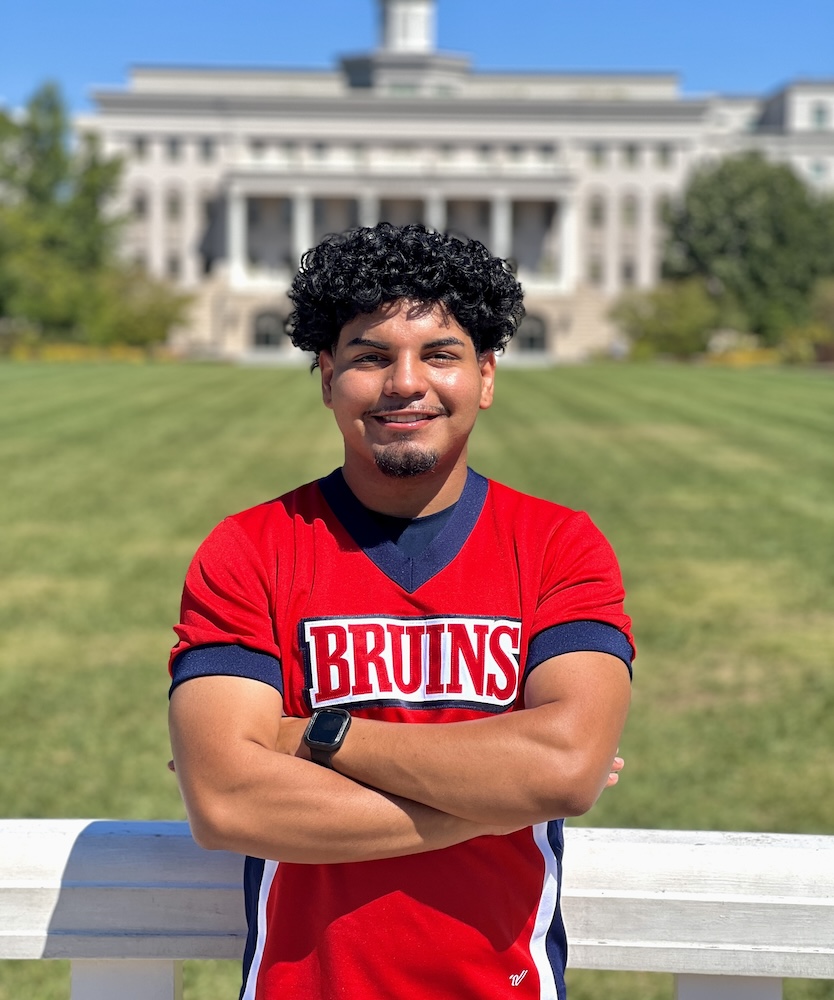
Ever Turcios
Art Education
“There are so many experiences that have touched my heart during my time at Watkins – The environment here is super welcoming and comfortable, most of the students and staff know each other, which allows the community to grow stronger and closer, the art that connects us all in that building creates this enjoyable atmosphere that makes me feel like I belong and can feel comfortable in my skin.”
Faculty Mentorship and Support
At Watkins, faculty know their students by name. You'll learn from experienced educators and artists who provide mentorship inside and outside the classroom. Faculty help students refine their artistic practice, develop teaching skills and build confidence as future professionals. The result is a close-knit creative community where students are encouraged to experiment, ask questions and grow both as artists and educators.

Meaghan Brady Nelson
Email: meaghan.brady.nelson@belmont.edu
Office Location: Leu Center for the Visual Arts 119

Judy Bullington
Email: judy.bullington@belmont.edu
Office Location: Leu Center for the Visual Arts 105

Benjy Davies
Email: benjy.davies@belmont.edu
Office Location: Leu Center for the Visual Arts 108

Kristi Hargrove
Email: kristi.hargrove@belmont.edu
Office Location: Leu Center for the Visual Arts 117

Jack Latham
Email: jack.latham@belmont.edu
Office Location: Leu Center for the Visual Arts 110

LaKesha Lee
Office Location: Leu Center for the Visual Arts

Armon Means
Email: armon.means@belmont.edu
Office Location: Leu Center for the Visual Arts 118

Christine Rogers
Email: christine.rogers@belmont.edu
Office Location: Leu Center for the Visual Arts 111

Mandy Rogers Horton
Email: mandy.rogershorton@belmont.edu
Office Location: Leu Center for the Visual Arts 114

Brandon Williams
Email: brandon.williams@belmont.edu
Office Location: Leu Center for the Visual Arts 109

Tom Williams
Office Location: Leu Center for the Visual Arts 114
FAQ
Yes. Graduates who complete program requirements and pass required licensure exams are prepared to earn Tennessee K-12 Art Teaching Certification.
Students complete 90 hours of field experience before beginning their student teaching semester.
Potentially. Belmont's teacher certification pathway is reciprocal with certification pathways in 46 other states, though individual state requirements may vary.
Graduates work as K-12 art teachers, museum educators, community arts instructors, arts program coordinators and other arts education professionals.
Yes. Art Education students complete the same foundational studio coursework as Studio Art students while also completing teacher preparation courses.
Belmont combines rigorous studio training, extensive classroom experience, teacher certification preparation and opportunities to explore teaching in schools, museums and community arts settings. Students graduate prepared to create, teach and lead through the arts.
Contact Us
Ellie Aldrich
Admissions Coordinator
615.460.6772
Email Ellie
Plan Your Visit
There's no better way to experience Belmont than by visiting campus. Whether you attend an admissions event, take a student-led campus tour or explore Nashville while you're here, a visit helps you picture yourself as part of the Belmont community.