

A look at careers in music therapy in various settings
Music therapists work in hospitals, rehabilitation centers, schools, mental health clinics, nursing homes, hospice programs, memory care facilities, substance abuse treatment centers, private practices and community organizations. They can also be found in less traditional settings, including correctional facilities and neonatal intensive care units (NICUs).
Where Do Music Therapists Work?
Music therapists commonly work in:
- Hospitals
- Rehabilitation centers
- Mental health clinics
- Substance abuse treatment programs
- Public and private schools
- Early intervention programs
- Nursing homes
- Memory care facilities
- Hospice organizations
- Private practice
- Community health organizations
- Correctional facilities
- Veterans hospitals
Music therapists use evidence-based music interventions to help individuals improve physical, emotional, cognitive and social functioning. Working with clients across the lifespan, they support goals related to communication, rehabilitation, mental health, learning and overall well-being.
One of the profession's greatest strengths is its versatility. As demand for holistic and patient-centered care continues to grow, careers in music therapy are expanding across a wide variety of healthcare, educational and community settings.
If you're considering a music therapy degree, understanding where do music therapists work can help you explore the many paths available within this dynamic and rewarding profession.

Where Does a Music Therapist Work?
One of the biggest draws of a career in music therapy is the variety of settings in which professionals can practice. From hospitals and schools to correctional facilities and community health organizations, music therapists can build careers that align with their interests, strengths and preferred populations.
"One of the things I love most about music therapy is the incredible variety within the profession," said Alejandra J. Ferrer, PhD, MT-BC, coordinator and associate professor of music therapy at Belmont University. "I can't imagine a music therapist ever getting bored or running out of things to do. There are so many different populations to serve and so many ways to make an impact through music."
Prospective students often ask, "Where does a music therapist work?" The answer spans nearly every area of healthcare, education and community-based care. Below are seven of the most common places music therapists work.
1. Hospitals and Healthcare Facilities
Hospitals and healthcare facilities are among the most common workplaces for music therapists. Professionals in these settings may work in acute care hospitals, rehabilitation centers, cancer treatment programs and pain management clinics, helping patients navigate physical, emotional and cognitive challenges related to illness, injury or treatment.

In this setting, a music therapist might help a patient manage anxiety before a medical procedure, support rehabilitation after a stroke or traumatic brain injury or provide coping strategies during cancer treatment. They often collaborate with physicians, nurses, physical therapists and other members of an interdisciplinary care team to support a patient's overall treatment goals. At some universities, there are even courses like Healthcare Theater, giving students the opportunity to collaborate across programs to prepare for their careers.
2. Mental Health and Behavioral Health Settings
Music therapists also play an important role in mental and behavioral healthcare. In psychiatric hospitals, outpatient counseling centers, substance abuse treatment programs and crisis intervention settings, they use music-based interventions to help clients process emotions, develop coping skills and build healthy relationships.
Depending on the population they serve, music therapists may lead group sessions focused on self-expression, stress reduction, communication or emotional regulation. Music can provide a targeted outlet for individuals who struggle to express themselves through words alone, making it a valuable tool in a variety of behavioral health settings.
3. Schools and Educational Settings
Many music therapists build careers in educational environments, including public and private K–12 schools, special education programs and early intervention services. In these settings, they support students as they work toward developmental, academic and social goals.
A school-based music therapist may work with students who have autism spectrum disorder, developmental disabilities, speech and language challenges or other special needs. Through individualized and group interventions, they can help students develop communication skills, improve motor coordination, strengthen social interactions and increase engagement in the learning environment. Music therapists often collaborate closely with teachers, special educators, speech-language pathologists and other school professionals.
4. Senior Care and Memory Care Facilities
As demand for senior healthcare services continues to grow, music therapists are finding increasing opportunities in nursing homes, assisted living communities, memory care units and hospice programs. In this setting, their work often focuses on enhancing quality of life, promoting connection and supporting emotional well-being for the residents.
Music therapy has shown particular value for individuals living with Alzheimer's disease and other forms of dementia. Familiar songs and musical experiences can help stimulate memories, encourage communication and foster meaningful engagement. In hospice and palliative care settings, music therapists may also provide comfort, emotional support and opportunities for connection for both patients and their loved ones.
5. Private Practice
Some music therapists choose to work independently through private practice, offering services to individuals, families or groups in clinics, schools, community spaces or clients' homes. This career path allows professionals to specialize in the populations and treatment areas that interest them most.
Private-practice music therapists may work with children experiencing developmental delays, adolescents navigating mental health challenges, adults recovering from illness or injury, or older adults seeking support for cognitive and emotional health. Many also partner with healthcare providers, schools and community organizations to expand access to music therapy services.
For professionals who value flexibility and entrepreneurship, private practice can offer a highly rewarding career path.
6. Correctional Facilities
Music therapists also work in correctional facilities, where they help individuals develop emotional regulation, communication skills and healthy coping strategies. Music therapy can support rehabilitation efforts by encouraging self-expression and reducing stress within structured therapeutic programs.
7. Community Programs
Community organizations often employ music therapists to serve individuals with developmental disabilities, veterans, refugees and more through nonprofit agencies and outreach programs.
In addition to providing direct services, many music therapists contribute to community-based research and outreach initiatives that expand access to music therapy for children, families and other underserved populations. For example, Belmont music therapy faculty are leading a grant-funded project developing evidence-based musical resources for young children, churches and hospitals.

"I can't imagine a music therapist ever getting bored or running out of things to do. There are so many different populations to serve and so many ways to make an impact through music."
While the workplace may change, the core responsibilities of a music therapist remain remarkably consistent.
What does a music therapist do?
If you’ve ever wondered, “What do music therapists do?” the answer depends somewhat on the setting and the population being served. However, their purpose remains consistent: helping clients achieve specific clinical goals through evidence-based music interventions. What changes from one setting to another is the population served, the age group, the instruments used and the activities or therapeutic approaches that best meet clients' needs.
A typical day often begins with assessing clients' needs and planning therapeutic interventions. During sessions, music therapists may use activities such as singing, songwriting, instrument playing, movement to music, music listening or improvisation to encourage progress toward specific outcomes. Depending on the setting, those outcomes might include improving communication skills, reducing anxiety, supporting physical rehabilitation, strengthening memory or enhancing social connection.
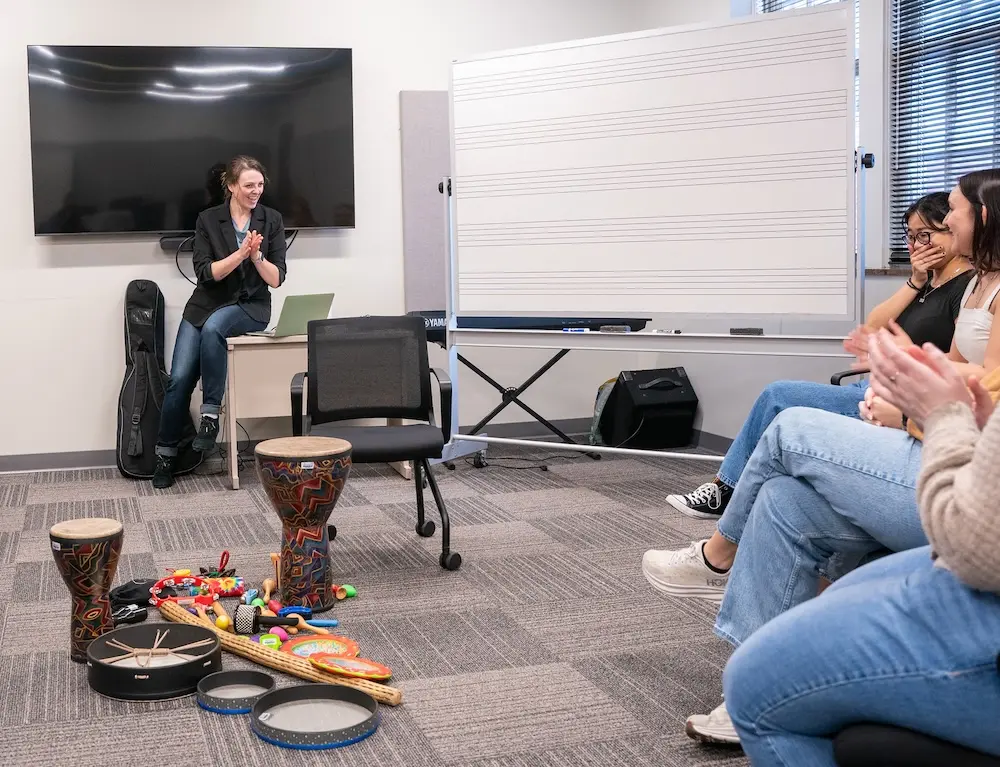
In addition to leading therapy sessions, music therapists regularly document client progress, evaluate treatment effectiveness and collaborate with other professionals such as physicians, nurses, counselors, teachers and speech-language pathologists. Because every client responds differently, music therapists must combine clinical expertise, creativity and adaptability to provide meaningful, individualized care.
Whether working in a hospital, school, memory care facility or private practice, music therapists use the power of music as a therapeutic tool to help people improve their quality of life and achieve goals that matter to them.
How Much Do Music Therapists Make a Year?
One of the most common questions prospective students ask is, "How much do music therapists make a year?" Like many healthcare and helping professions, salaries vary based on experience level, geographic location, employer and area of specialization.
According to Ferrer, the salary for an entry-level music therapist typically starts around $46,000 per year nationally. As music therapists gain experience, pursue advanced training or move into leadership, research and higher education roles, earning potential can increase significantly.
 National career data from My Next Move reports higher average earnings across the profession, reflecting the wide range of experience levels and career paths represented within the field.
Music therapists working in hospitals, healthcare systems and leadership roles may earn different salaries than those working in schools, nonprofit organizations or private practice, for example.
But, the profession's versatility should be considered when evaluating career options as music therapists often have flexibility to pursue career paths that align with both their professional goals and personal interests.
And, for many professionals, the greatest reward comes from combining a passion for music with meaningful work that helps improve the lives of others.
What Can You Do With a Music Therapy Degree?
Many prospective students ask, "What can you do with a music therapy degree?" While direct client care is the most common path, graduates can also pursue opportunities in research, higher education, consulting, leadership and corporate wellness. The combination of musical training, healthcare knowledge and therapeutic skills prepares graduates for a variety of roles across healthcare, education and wellness industries.
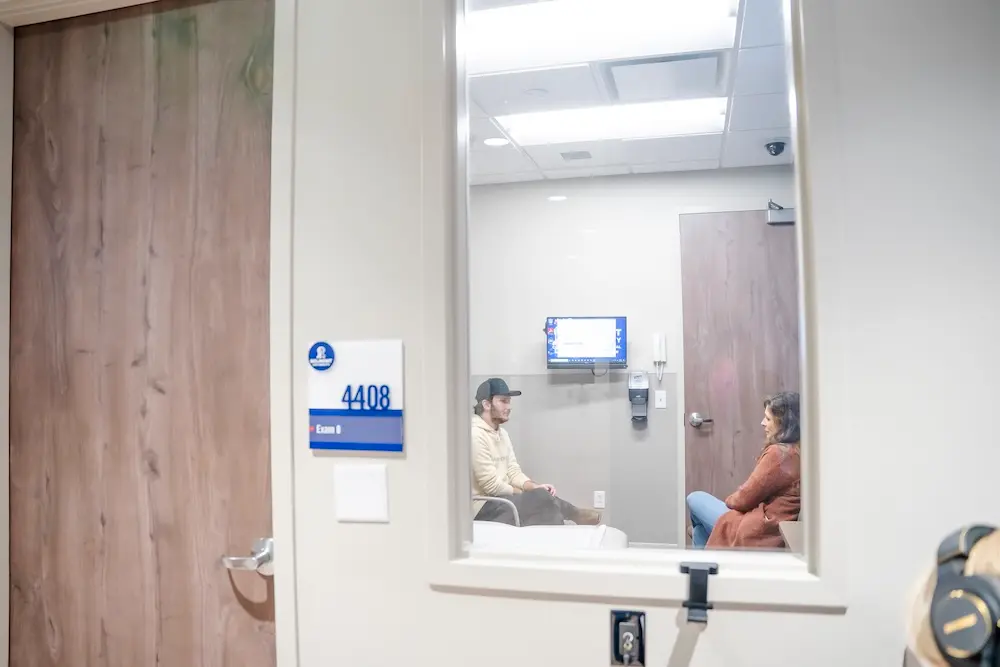 Some music therapists choose to advance the profession through research, contributing to studies that explore the impact of music on physical, emotional and cognitive health. Others pursue careers in higher education, teaching future music therapists, supervising clinical training experiences or conducting scholarly research.
Experienced professionals may also move into leadership and consulting roles, helping healthcare organizations, schools and community programs develop and implement music therapy services. Some work in program administration, overseeing clinical teams or managing arts-in-health initiatives within hospitals and nonprofit organizations.
As workplace wellness continues to gain attention, opportunities are also emerging in corporate wellness and community health programs. In these settings, music therapy principles may be applied to support stress management, employee well-being, team building and overall quality of life.
The versatility of the profession is one reason many students are optimistic about pursuing careers in music therapy. After all, when asking "Where do music therapists work?" the answer spans nearly every area of healthcare, education and community-based care.
Music Therapist Job Outlook and Careers in Music Therapy
For students considering careers in music therapy, the music therapist job outlook is encouraging. As healthcare providers, schools and community organizations continue to recognize the benefits of music therapy, demand for qualified professionals is growing. Efforts such as Tennessee's Music Therapy Task Force demonstrate the profession's continued growth and visibility.
 According to Ferrer, there are often more employment opportunities available than there are board-certified music therapists to fill them, creating strong prospects for graduates who are flexible about location and population served early in their careers.
Most professional music therapists begin by completing a bachelor's degree or higher in music therapy through an approved program that includes extensive clinical training and internship experiences. After completing their education, graduates are eligible to take the national board certification exam administered by the Certification Board for Music Therapists (CBMT). Successful candidates earn the Music Therapist-Board Certified (MT-BC) credential, the nationally recognized standard for professional practice.
As they gain experience, music therapists can pursue a variety of advancement opportunities. Some specialize in areas such as medical music therapy, mental health, hospice care or neurological rehabilitation, while others move into leadership, research, higher education or program administration roles. The profession's versatility allows practitioners to build careers that align with their interests while continuing to make a meaningful impact in the lives of the individuals and communities they serve.
Explore a Career in Music Therapy
 If you're inspired by the idea of using music to make a meaningful difference in people's lives, a career in music therapy may be worth exploring. As this article has shown, the answer to “where do music therapists work” is remarkably diverse, offering opportunities in healthcare, education, behavioral health, senior care and beyond.
The first step is earning a degree from an approved music therapy program that combines musical training, clinical coursework and hands-on experience. To learn more about the field, educational requirements and career opportunities, prospective students can also connect with organizations such as the American Music Therapy Association (AMTA) and the Certification Board for Music Therapists (CBMT).
After learning where music therapists work, many prospective students are surprised by just how many career paths the profession can offer. Whether you're drawn to hospitals, schools, behavioral health or private practice, a strong educational foundation is the first step toward becoming a board-certified music therapist.
Programs such as Belmont University's Music Therapy program combine clinical experience, faculty mentorship and extensive fieldwork to prepare students for meaningful careers in a growing profession. The next time someone asks, “Where does a music therapist work?,” you can be ready to tell them: almost anywhere.
Frequently Asked Questions About Music Therapy Careers
Still have questions about careers in music therapy? Explore the FAQ below.
Music therapists work in hospitals, schools, rehabilitation centers, mental health clinics, nursing homes, hospice organizations, private practices and community health programs.
Yes, music therapy is a good career. Music therapy combines healthcare and music, allowing professionals to improve quality of life while working in a variety of clinical and educational settings. Job demand continues to grow as more organizations recognize the benefits of music therapy.
Music therapy salaries vary by location, experience and employer. Music therapists working in hospitals, private practice or leadership positions often earn higher salaries than entry-level professionals.
No, it is not typically hard to find work as a music therapist, especially as demand continues to grow across healthcare, behavioral health and senior care settings. Board certification and internship experience help graduates remain competitive.
According to Belmont music therapy faculty, there are often more employment opportunities available than there are board-certified music therapists to fill them, particularly for graduates who are flexible about location and population served early in their careers.
Learn More
Explore Belmont's Music Therapy Program