

Find passion and purpose with a degree in social work
A degree in social work opens the door to meaningful, people-focused careers across healthcare, education, nonprofit organizations, government and more.
If you're wondering what else you can do with a social work degree, you'll find that the profession offers a wide variety of social work jobs to make a lasting impact. Social workers provide counseling, advocate for social change and connect individuals and families with resources in a variety of settings.

Top Careers to Pursue with a Social Work Degree
A Bachelor of Social Work (BSW) prepares graduates for jobs in many different fields.
Whether you're interested in healthcare, education, public policy or community advocacy, there are many jobs with a degree in social work that allow you to support individuals while creating positive change.
Below are 12 career paths to explore if you're asking, "What else can I do with a social work degree?"
1. Public Affairs or Public Policy Social Worker
Public affairs social workers address the larger social issues that impact communities. They evaluate social programs, develop policy recommendations and advocate for changes in areas such as housing, healthcare and economic inequality. Students interested in how to get into social work as a public affairs social worker often combine their social work bachelor’s degree with a minor or additional major in areas such as public advocacy, legal studies or history & public policy.
2. Healthcare or Hospital Social Worker
Healthcare social workers help patients and their families navigate illness, injury and disability by coordinating discharge plans, performing psychosocial and crisis counseling, connecting families with long-term resources such as transportation and housing and advocating for patient needs in hospital settings. They work in outpatient clinics, hospitals, rehabilitation centers, nursing homes and community healthcare centers.
Healthcare social work is also a growing field. According to the U.S. Bureau for Labor Statistics, healthcare social work jobs are expected to grow more than 10% by 2032, due to the consistent needs of aging populations in America and the rising number of people nationwide with chronic illnesses.
3. Crisis Counselor
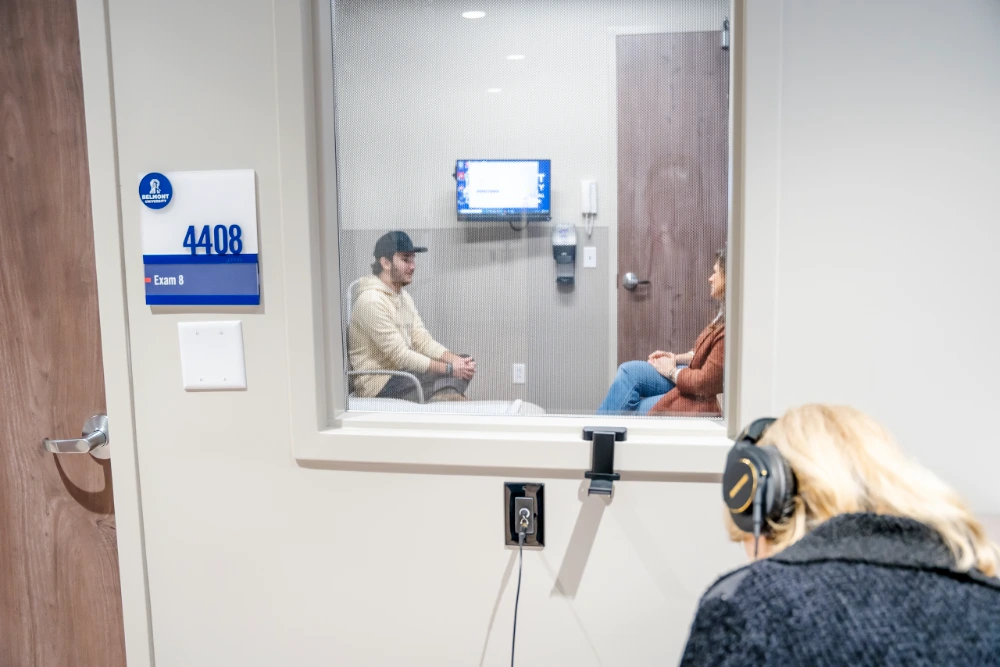
Crisis counselors provide immediate emotional support to people experiencing mental health emergencies. As one of many rewarding jobs with a degree in social work, crisis counseling allows professionals to assess individuals’ needs, help develop safety plans and connect people with resources and ongoing care. Crisis counselors work settings such as with call centers, emergency rooms and mobile crisis teams. Those interested in roles in crisis counseling often combine their BSW with a minor in psychology and pursue field placements in mental health settings.
4. School Social Worker
School social workers support students’ academic, social and emotional wellbeing by providing counseling, connecting families with resources and advocating for student needs. They may serve as behavioral educators, family liaisons, student support specialists or policy advocates within school communities.
Most school districts across the nation require social workers to obtain the Licenses Baccalaureate Social Worker (LBSW) certification to work in school settings. To earn the LBSW certification, students must graduate from a CSWE-accredited program, pass the Association of Social Work Boards (ASWB) exam and clear a background check.
5. Substance Abuse Social Worker
Substance abuse social workers support individuals recovering from substance use disorders by providing counseling, connecting clients with resources and helping develop personalized treatment plans. They assist in developing personalized treatment plans for incoming patients, facilitate group therapy sessions and monitor patient progress as they work towards recovery.
Substance abuse social workers work in settings such as treatment centers, hospitals, community organizations and mental health facilities. Students interested in this field may pursue a Master of Social Work (MSW) to gain advanced training and pursue clinical licensure.
6. Community Service Manager
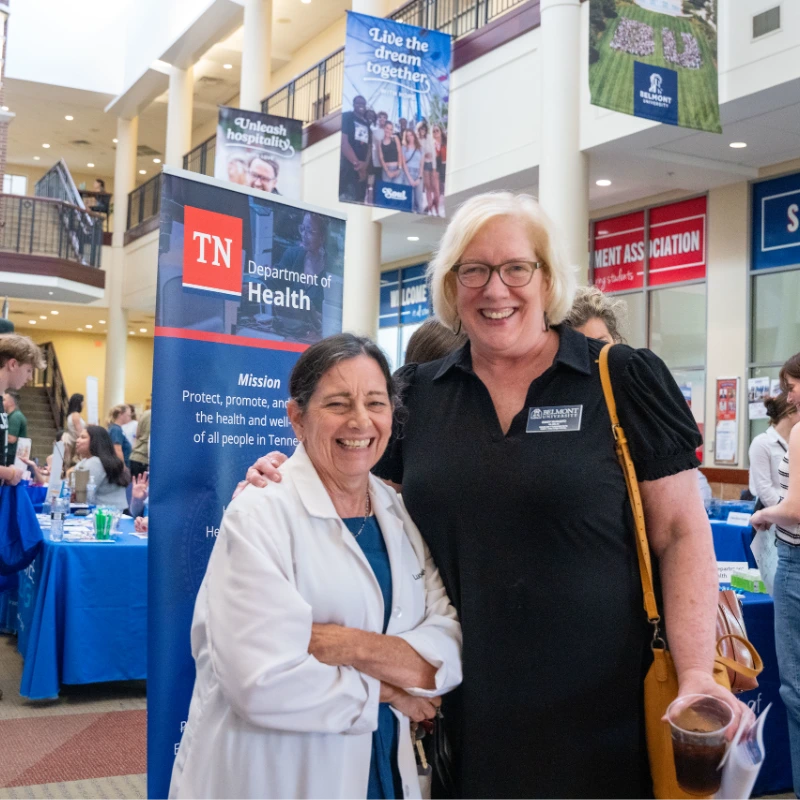
Community service managers oversee programs that support public well-being and supervise service workers. They work for community-facing organizations that assist specific groups, such as children, older adults or veterans. Some focus on addressing challenges like housing instability, mental health or chronic hunger. Their role ensures that these programs effectively serve communities in need.
Due to the generalized nature of community service managerial roles, students should pursue field placements and postgraduate internships tailored to their areas of interest. Belmont’s BSW program takes a boutique approach Career & Professional Development by offering tailored, hands-on internship and networking opportunities through partnerships with local agencies, nonprofits and community organizations.
7. Case Manager
Case managers help individuals access the services and support they need by coordinating care, connecting clients with resources and helping develop personalized care plans. They often work with populations experiencing challenges related to healthcare, housing, mental health, disability services and other areas of need.
According to the U.S. Bureau for Labor Statistics, the demand for case managers is expected to grow by 13% by 2029.
8. Corporate Social Responsibility Manager
Corporate social responsibility (CSR) managers develop and oversee a company’s social, environmental and ethical initiatives. They take on vital leadership roles within businesses by ensuring daily operations are in alignment with community engagement guidelines, environmental considerations and sustainable strategy. CSRs build strategic relationships between companies and communities that are strongly rooted in corporate citizenship.
Students who are interested in pursuing bachelor’s degree social work jobs as a CSR often add minors in business management, corporate communications or public relations to fully understand how corporations operate, communicate and relate to the public.
9. Probation Officer
Being a probation officer requires a comprehensive understanding of human behavior, case management skills, community resources and the legal system. Most local and federal jurisdictions in the U.S. require probation officers to have a bachelor’s degree in social work, psychology or a closely related field. According to a thread on Reddit, many BSW and MSW graduates are finding fulfilling careers as probation officers.
Having a bachelor’s degree in social work is advantageous when pursuing a career in corrections because the training required to complete a BSW provides deep understanding of mental health crisis prevention, substance abuse relief and how to connect others with community resources.
10. Forensic Social Worker
Forensic social workers also operate within the criminal justice system, but are more commonly in positions such as victim advocates, witness counselors, case managers and juvenile justice coordinators. Typical roles for this field vary but commonly include reentry plan management, legal advocation, family mediation, and social support coordination.
An MSW is required for graduates asking how to get into social work forensic roles providing expert testimony, performing psychosocial assessments and designing comprehensive reentry plans. At schools like Belmont, you can get your MSW degree in just one year if you qualify for the advanced standing program.
11. Academic Counselor
Academic counselors support students by helping them navigate educational goals, career planning and personal challenges that may impact their success. They use many of the same skills developed through social work training, including crisis intervention, resource navigation and holistic student support.
Academic counselors work in colleges, universities and other educational settings. Students interested in this career path may complement their social work degree with coursework in areas such as communications, psychology or sociology.
12. Workshop or Activity Director
Workshop and activity directors assess client needs and lead programs that support individuals’ social, emotional and physical well-being. A degree in social work gives activity directors the foundational communication and social-emotional skills necessary to thrive in both private and clinical programs, making this a dynamic and flexible career path.
Work environments for workshop directors commonly include specialized schools and community centers, senior living and memory care, year-round staff at recreation centers or summer camps and mental health treatment centers. If you’re considering this career path, it’s recommended to pursue dedicated internships with local organizations to get a feel for the work and expand your professional network.

What Can I Do With a Masters in Social Work?
For those graduating from college with a BSW, it can be incredibly valuable to complete a master’s degree in social work.
The MSW degree can help you move from entry-level bachelor degree social work jobs into clinical practice, leadership positions, specialized practice areas, or roles in research and higher education. Additionally, for those interested in clinical roles independently diagnosing, treating and managing patients and clients, you must obtain the Licensed Clinical Social Worker distinction, which can only be done after completing a MSW degree program.
Belmont offers an advanced standing program that allows students to complete their MSW in as little as one year with no summer bridge work required. Students will learn in state-of-the-art facilities, such as the university's Center for Interprofessional Engagement and Simulation and complete more than 900 hours of personalized field experiences with a unique focus on trauma-informed care, advocacy and leadership.
Build a Career with a BSW
Whether you’re interested in supporting patients in healthcare settings, advocating for communities, helping students succeed or providing mental health services, a social work degree can prepare you for a wide range of meaningful careers.
"The social work degree is a degree with range," said Jennifer Crowell-Thompson, chair of the school of social work at Belmont University. "For those seeking to expand their career options without pursuing multiple degrees, social work offers flexible pathways into meaningful work - from direct practice and counseling-adjacent roles to healthcare, schools, advocacy, policy, nonprofit leadership, and community change - all grounded in purpose and possibility."
Now that you have answers to, “What can you do with a social work degree?” you might be ready to start working towards your education and career goals. For an award-winning, personalized and cutting-edge program, explore Belmont University’s Bachelor of Social Work and Master of Social Work to learn how these programs can support your goals.
Learn More
Explore Belmont's Social Work programs