
Eight senior collections and an adaptive design partnership take the stage at Belmont's annual event
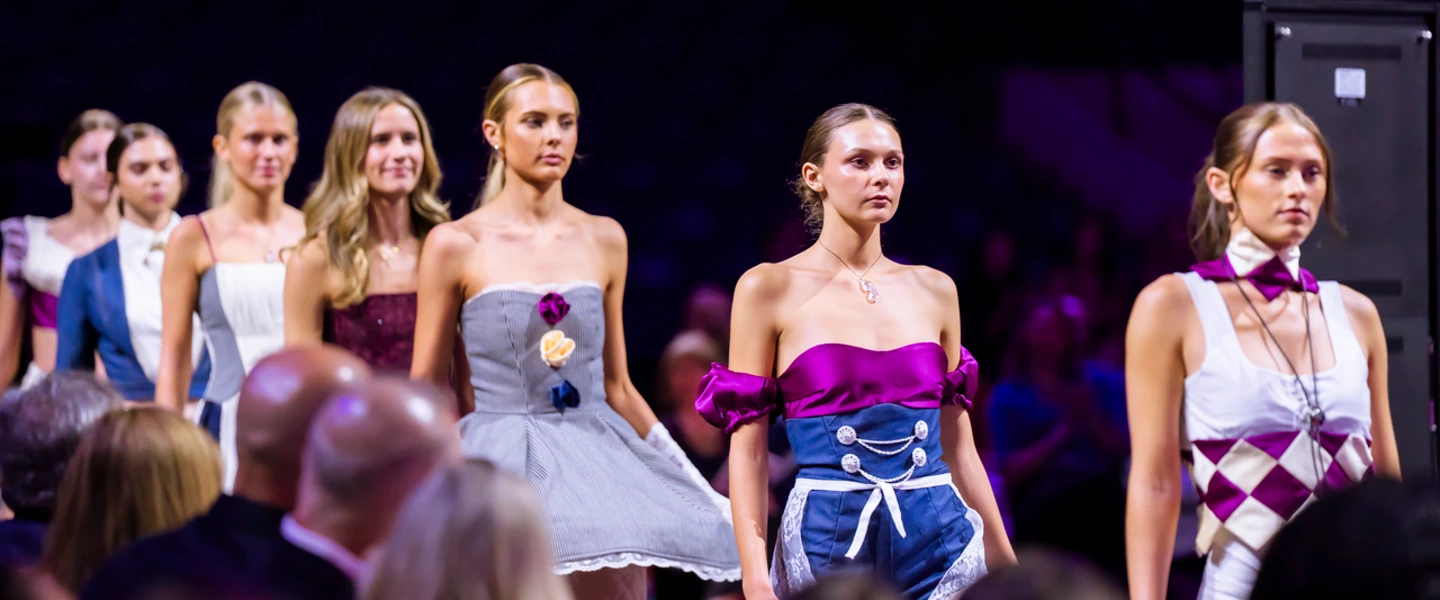
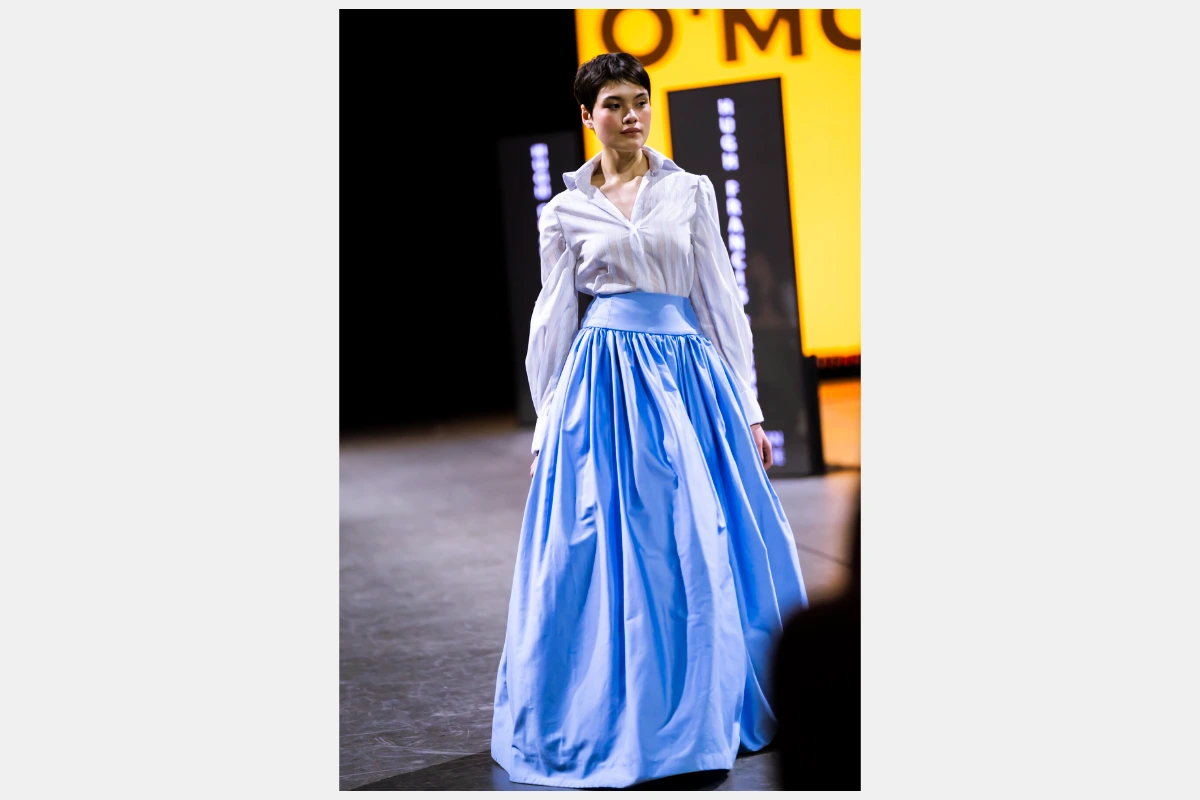
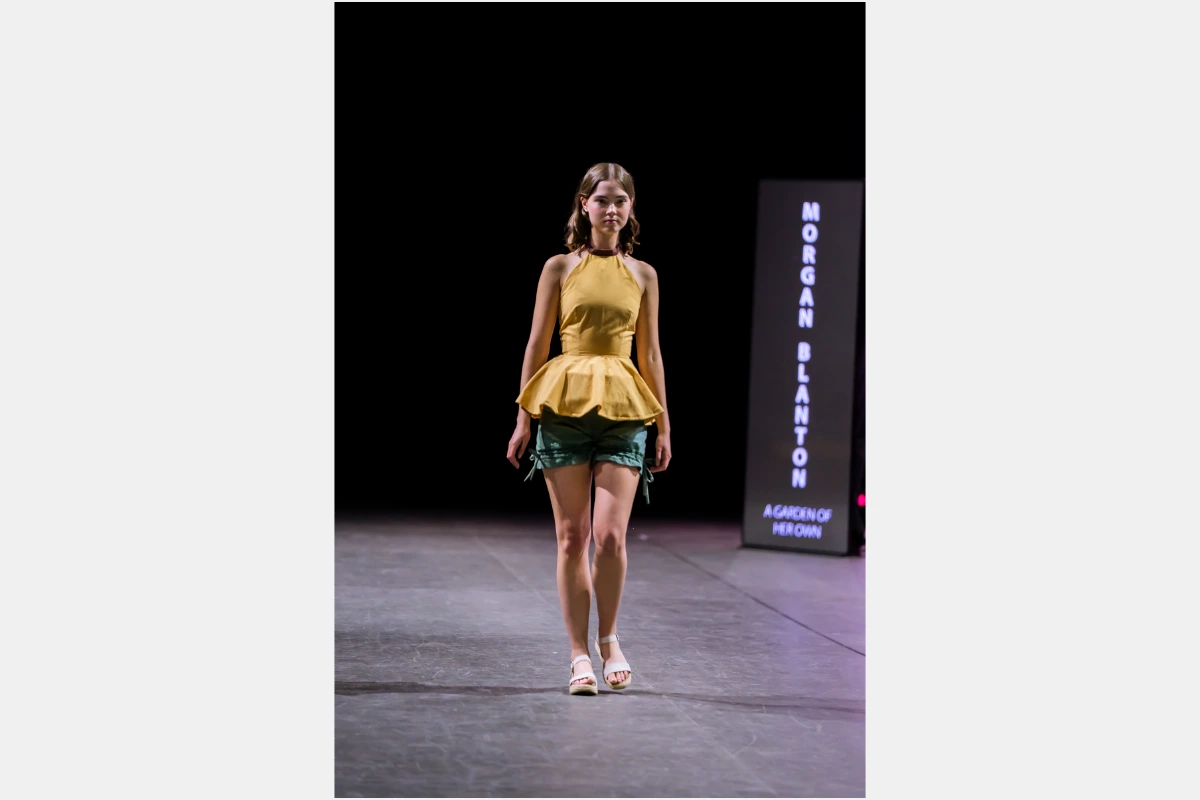
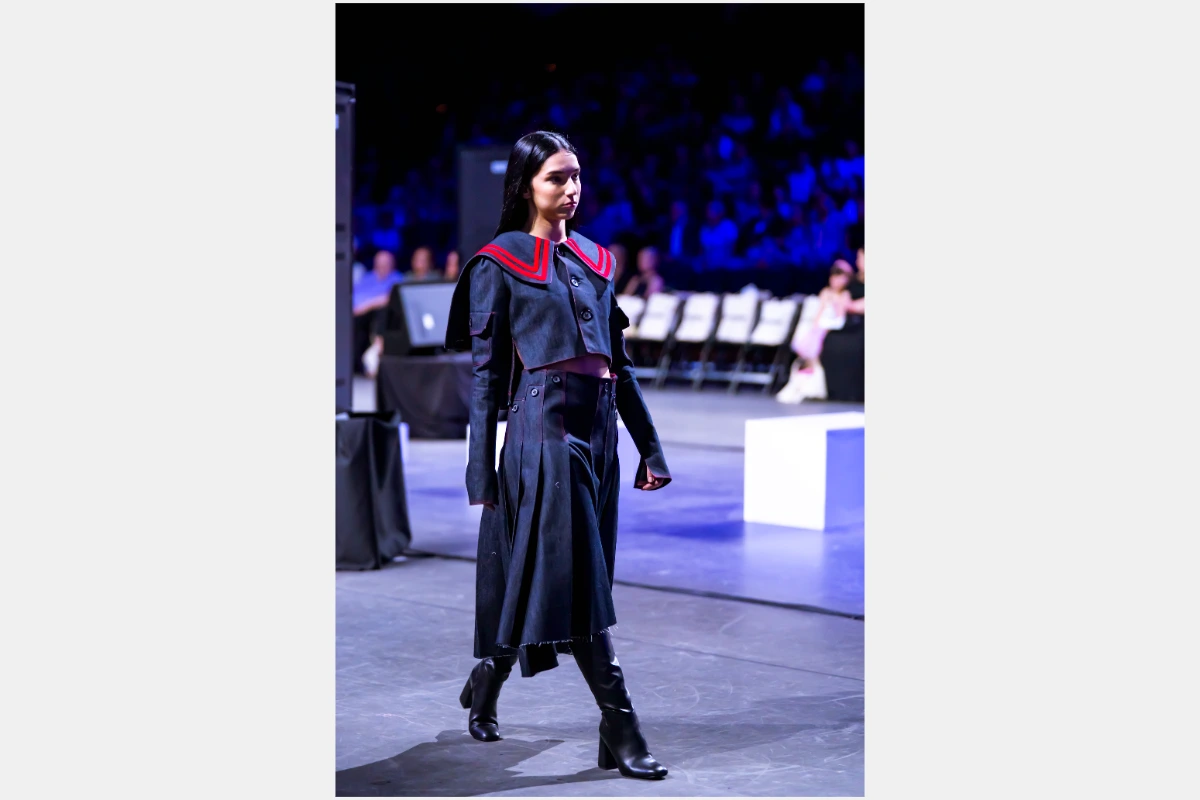
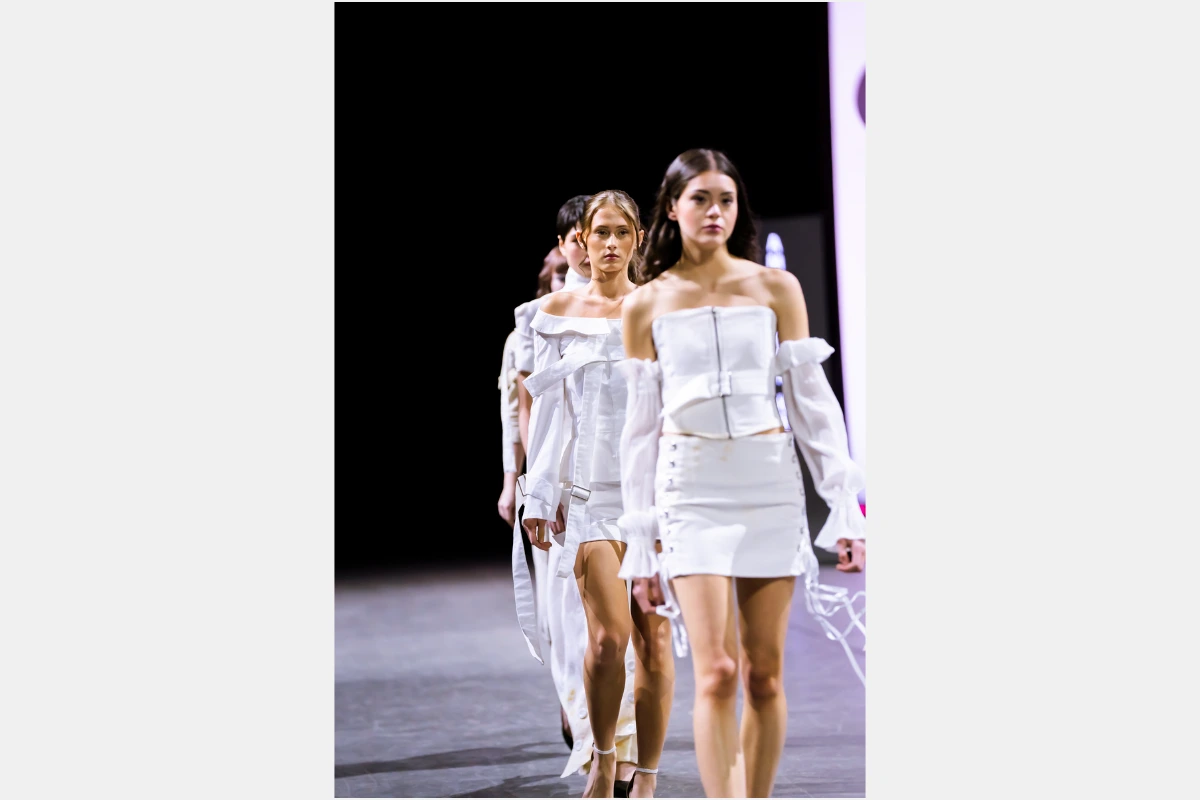
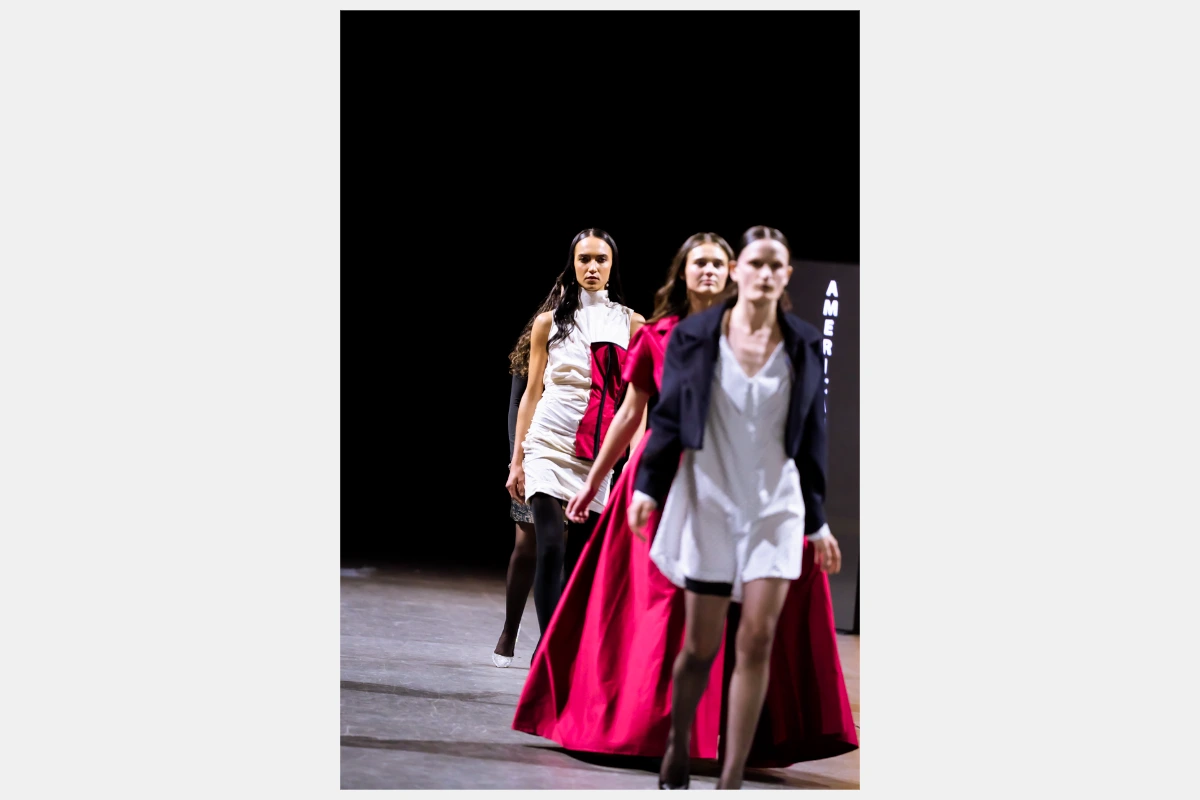
Belmont's O'More College of Architecture & Design brought its annual fashion show back to the Curb Event Center April 24, drawing industry professionals, families and fashion enthusiasts for an evening that underscored what the program does best: design with purpose.
Now in its 26th year, the show has become one of Nashville's most anticipated student showcases — and this year's installment made clear that O'More's vision extends well beyond the runway.
Empathetic Design: The Move Inclusive Partnership
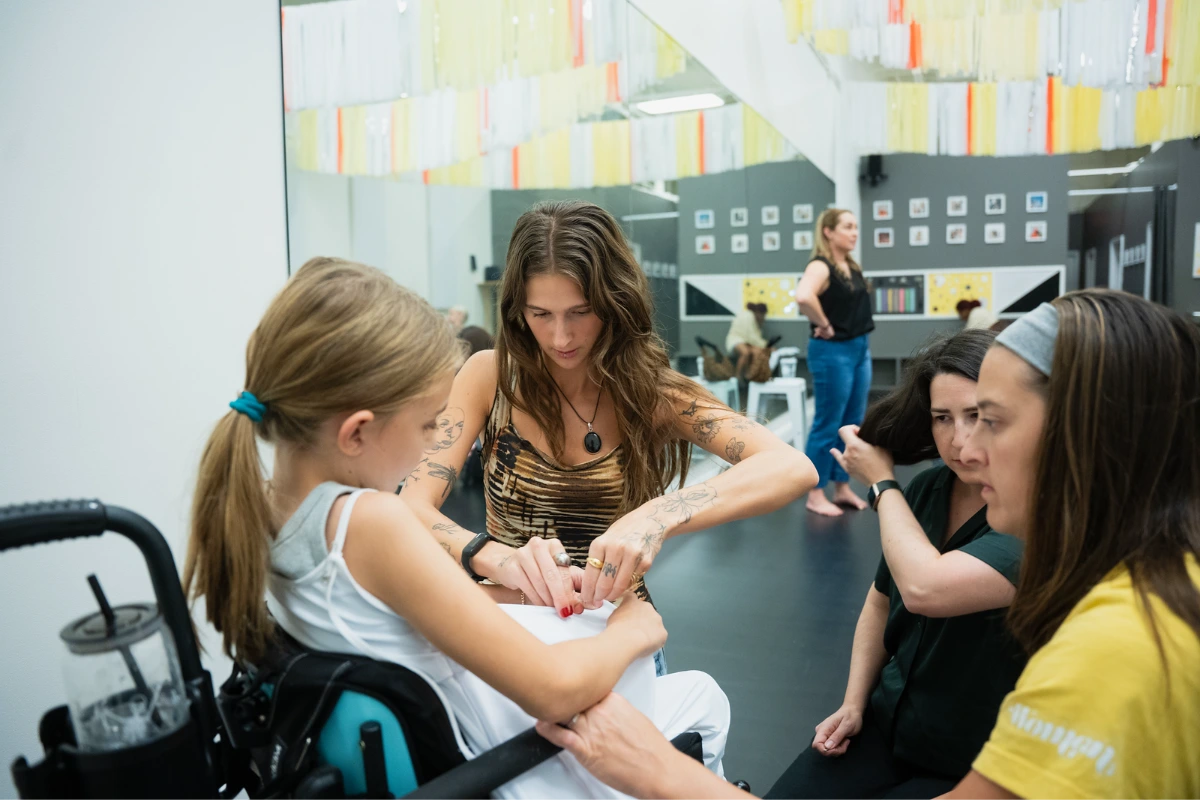
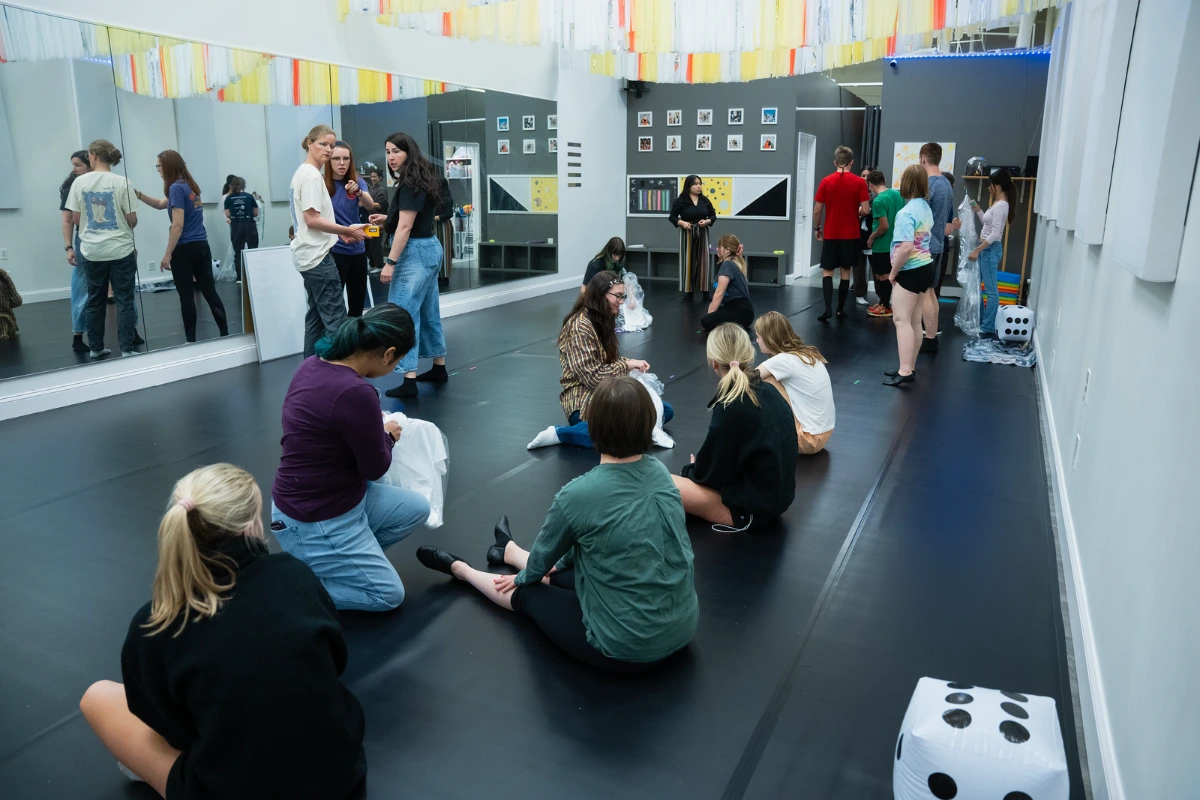
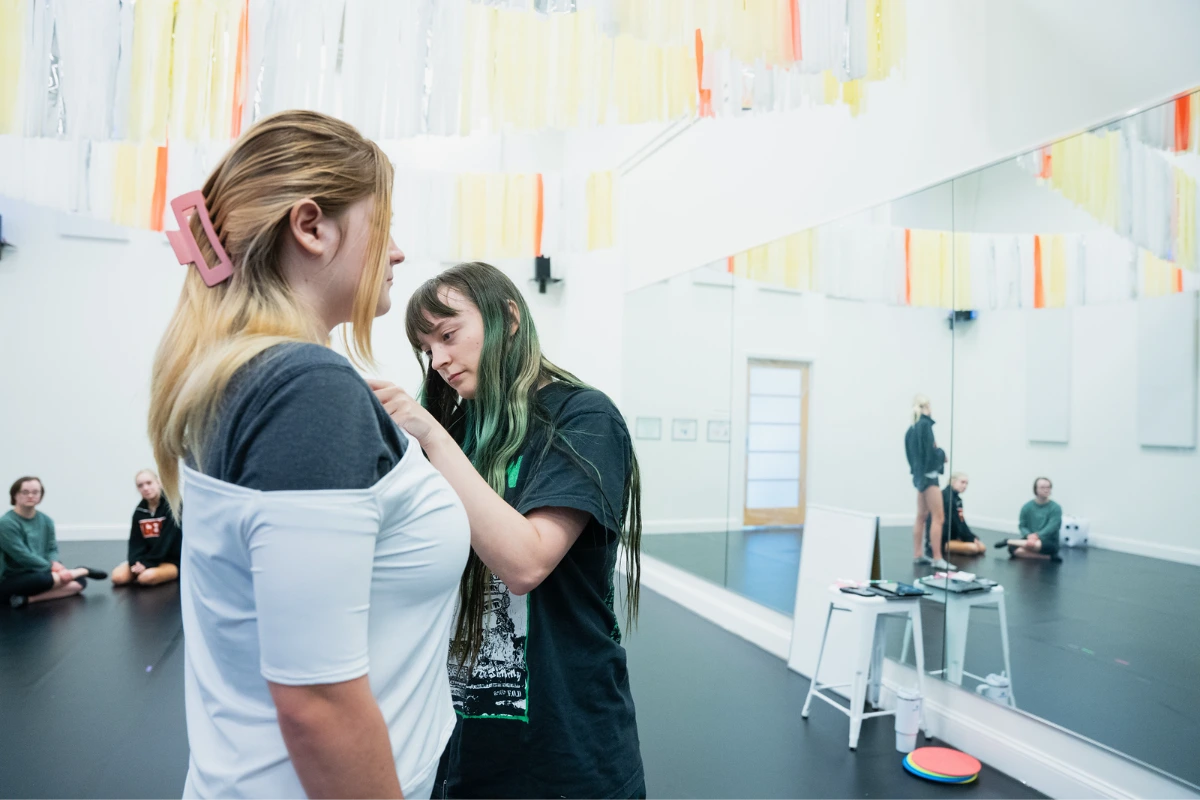
At the heart of this year's show was O'More's partnership with Move Inclusive Dance, a Franklin-based nonprofit offering dance classes for individuals with disabilities. Junior fashion students spent the semester designing custom recital costumes for Move Inclusive dancers — an experience that Andie Day, assistant professor of fashion, describes as central to the program's mission. 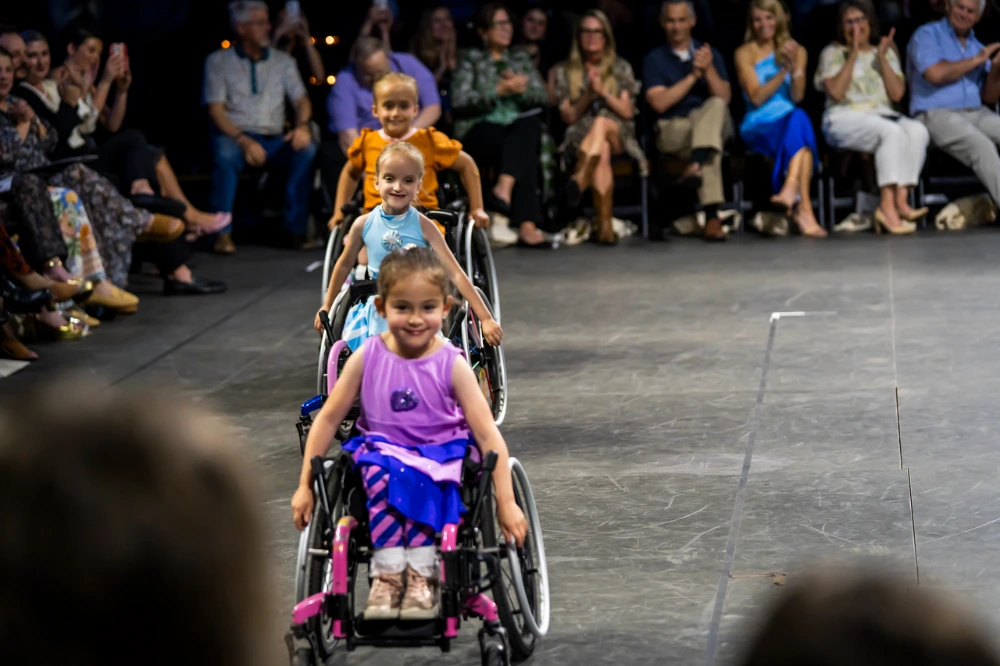
"Design is supposed to serve our customers and our clients first, not ourselves," Day said. "When students look through the eyes of somebody whose needs aren't necessarily designed for, they're learning an empathetic side of design that they can apply for the rest of their careers."
The partnership grew out of a broader curricular commitment to knitwear and adaptive design. Because active organizations like Move Inclusive require garments with stretch and freedom of movement, the project simultaneously serves community needs and fills a critical gap in students' technical education.
"It equally serves our learning outcomes as it serves their physical needs," Day said.
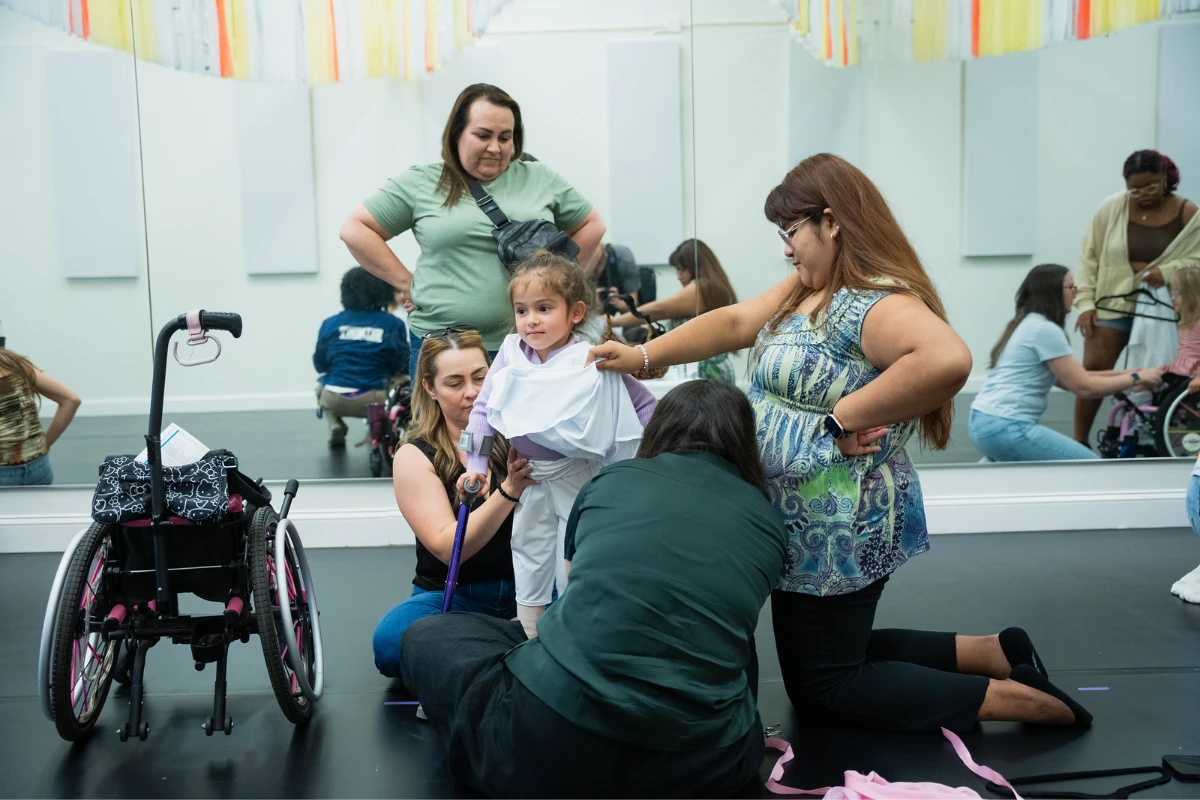
 Students visited Move Inclusive's studio three times throughout the semester — first to observe choreography and take measurements, then to fit initial mockups and finally to deliver finished costumes in time for the fall recital. The dancers' specific needs shaped every step of the process, requiring students to move fluidly between hands-on observation and direct conversation depending on each dancer's needs.
“One of the biggest lessons for our students is learning not to assume what someone needs, but to listen and design with them, not for them,” Day said.
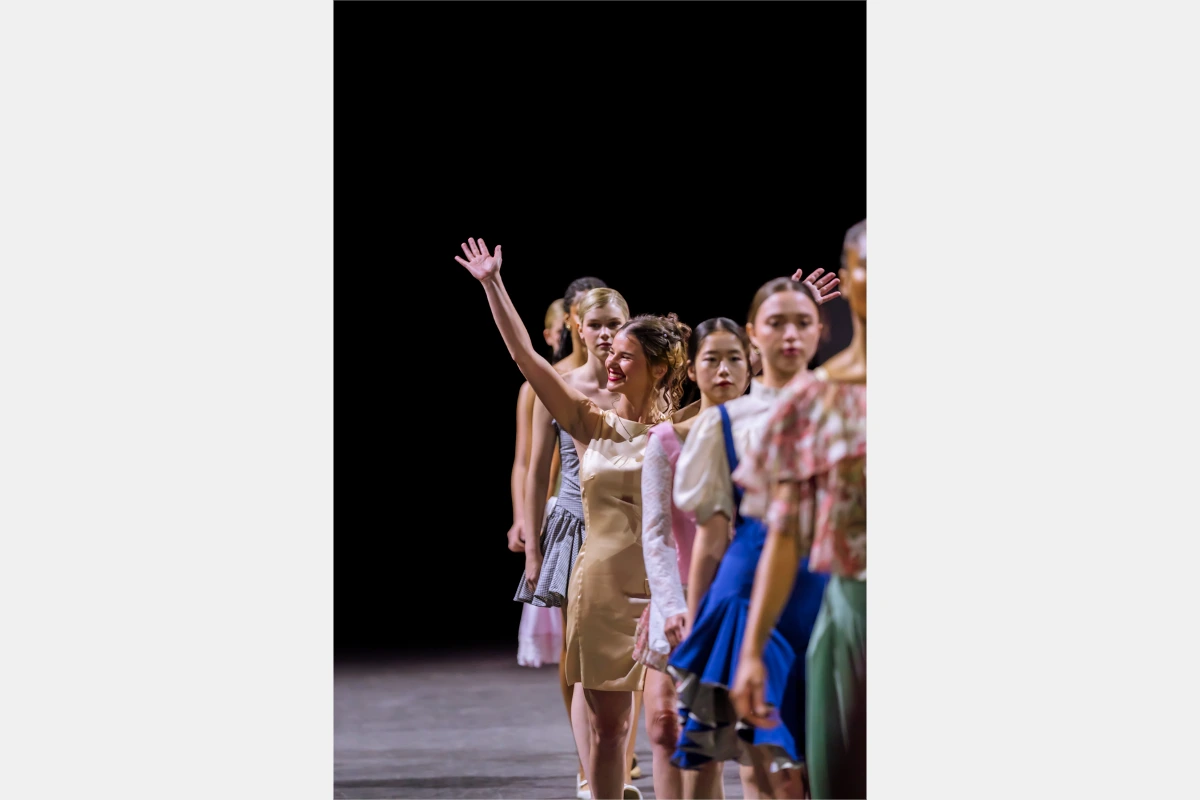
Several Move Inclusive dancers joined their designers on the runway, drawing some of the evening's most enthusiastic applause.
The partnership reflects a long-standing commitment within O’More’s fashion program to empathetic, human-centered design. Previous collaborations with organizations like GiGi’s Playhouse and Saddle Up! have challenged students to design not just for aesthetics, but for real people with real needs. What’s evolved is the scale of that commitment. Day and co-instructor Shannon North are now developing a dedicated integrated studio course to expand the program’s adaptive design research, with plans to collaborate again with Saddle Up! next spring to develop sizing systems and activewear for equestrian athletes with disabilities.

“We want to find a way to serve as many people as we can, and at a place like Belmont, big ideas don’t stop at ideas. The response is, ‘Let’s figure out how to make it happen.’”
Behind the Scenes at Move Inclusive Dance
Senior Collections
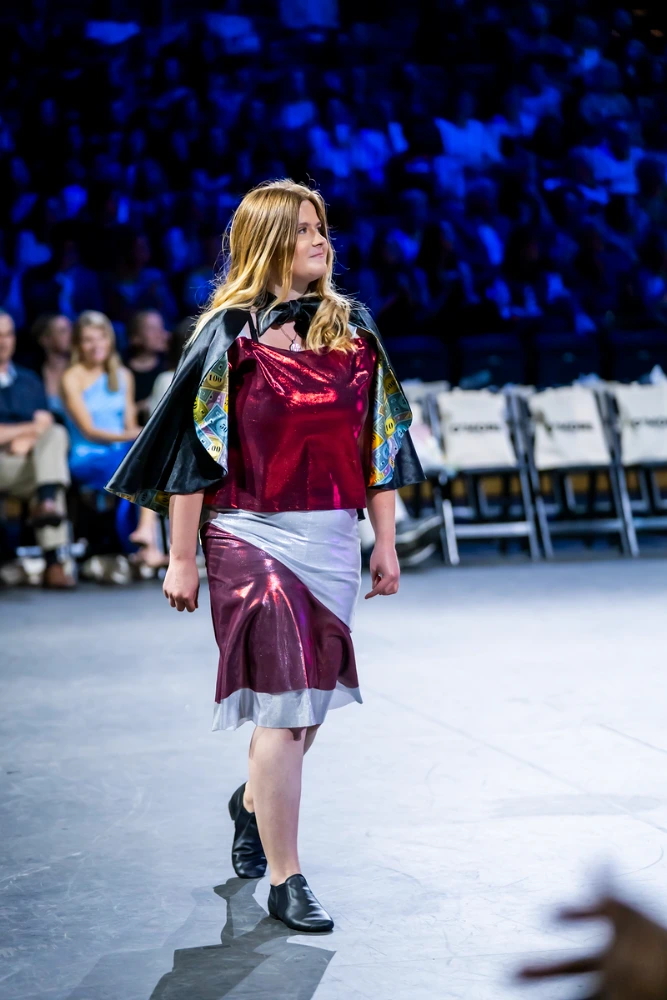
While partnerships like Move Inclusive center design in real-world impact, the runway also spotlighted the personal vision of O’More’s emerging designers. Eight graduating seniors each presented a capstone collection built entirely from their own creative vision. Inspired by everything from medieval literature to circus theatrics, the collections reflected the range and rigor of a program that pushes its designers to think conceptually before they ever touch a sewing machine.
This year's seniors leaned theatrical — drawing on art history, personal narrative, music and the American frontier to produce work that was as intellectually driven as it was visually striking.
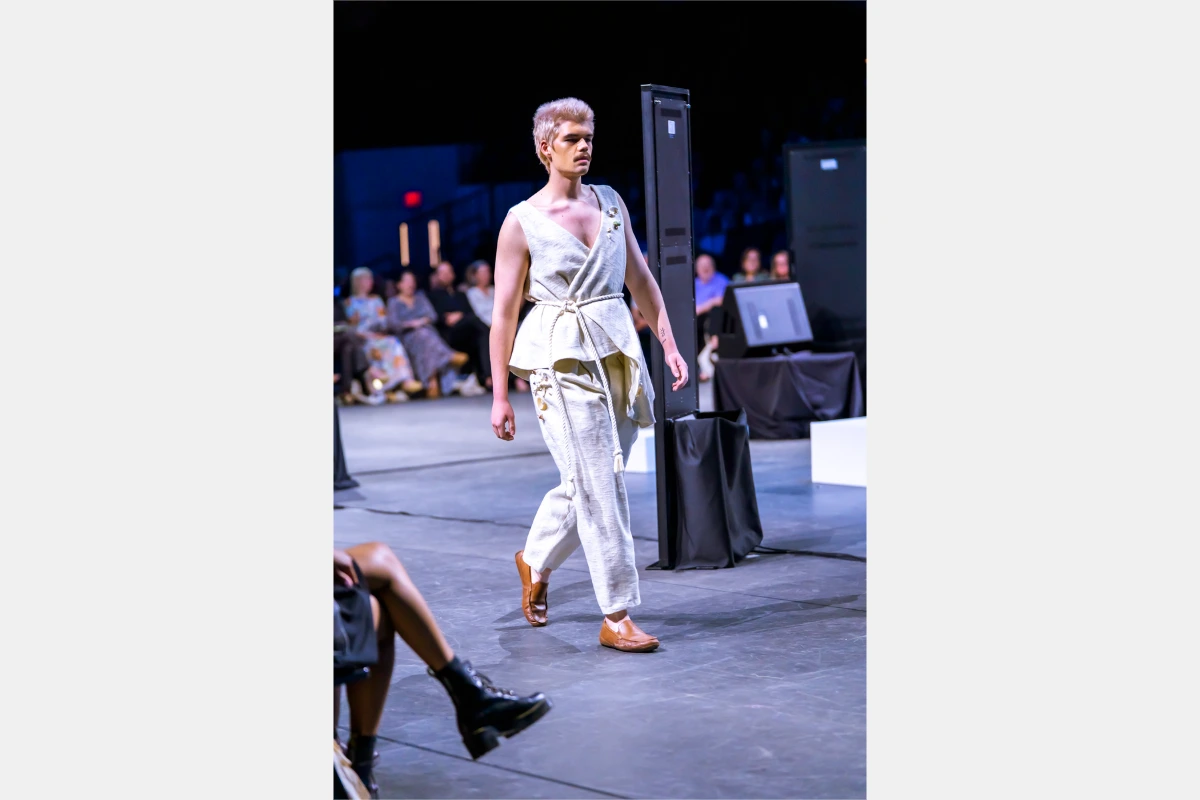
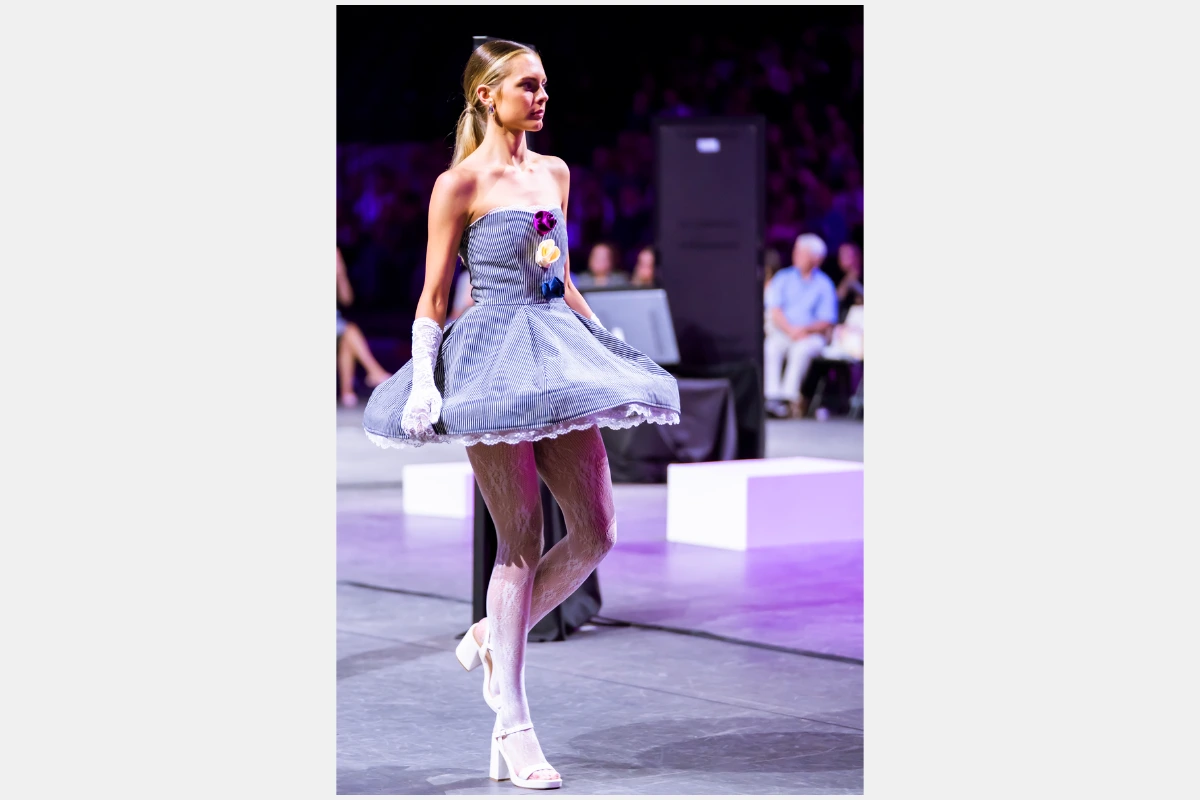
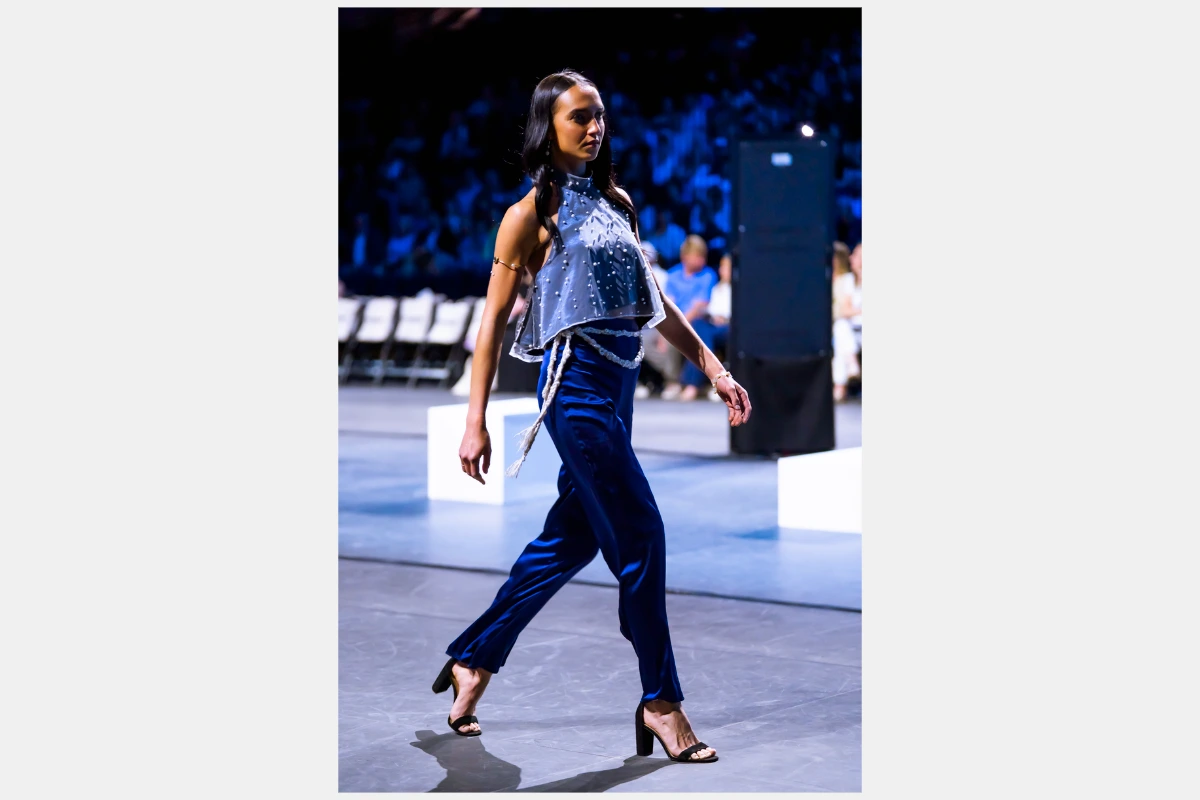
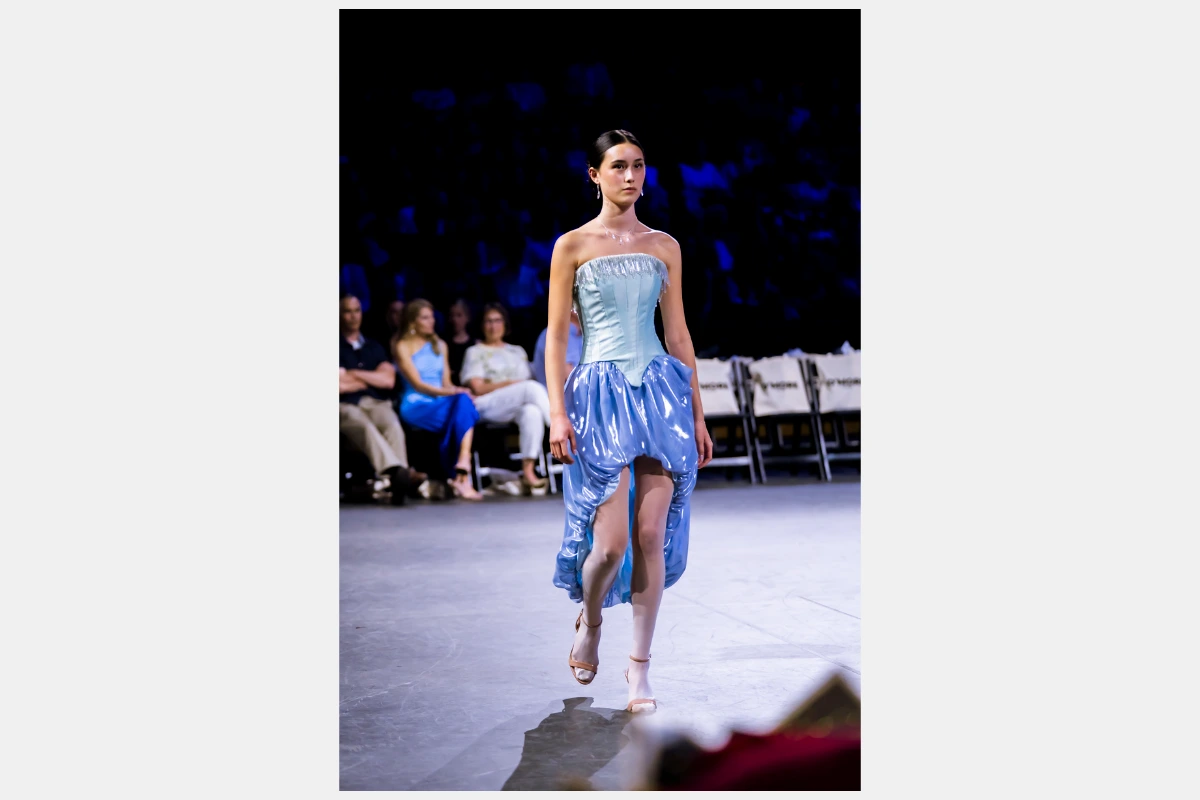
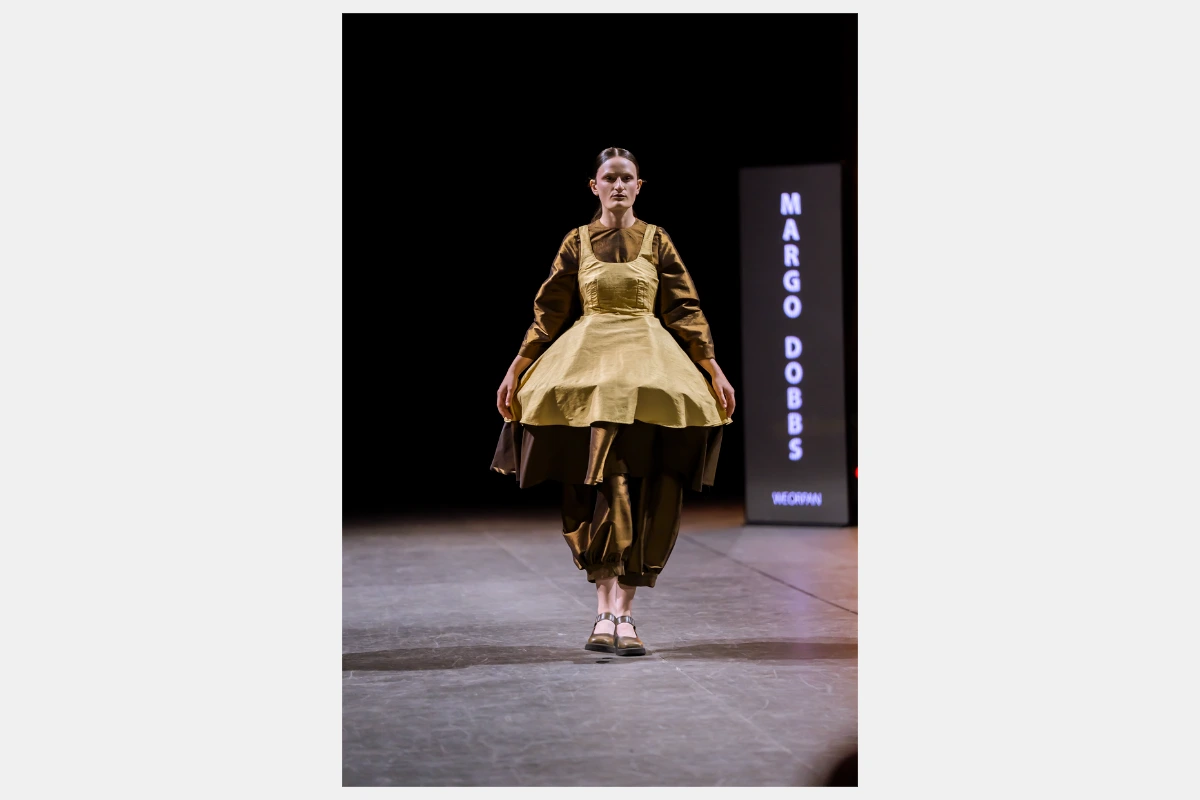
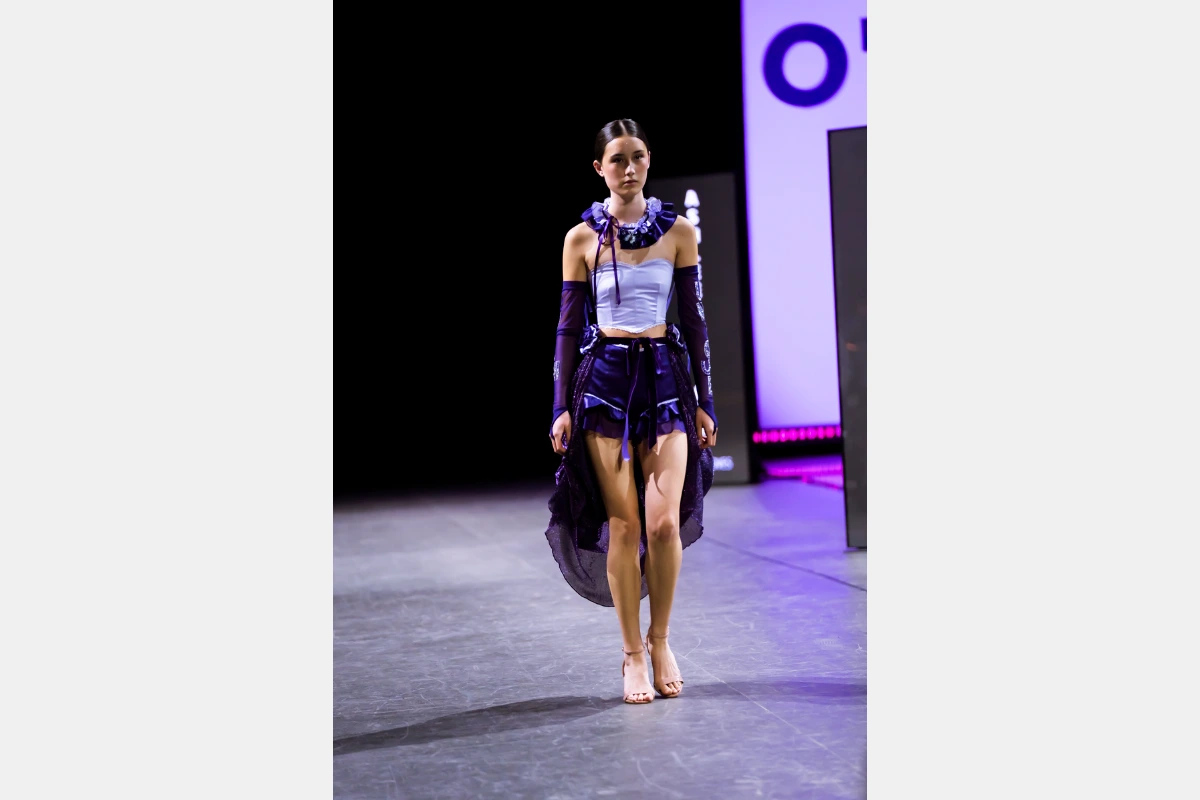
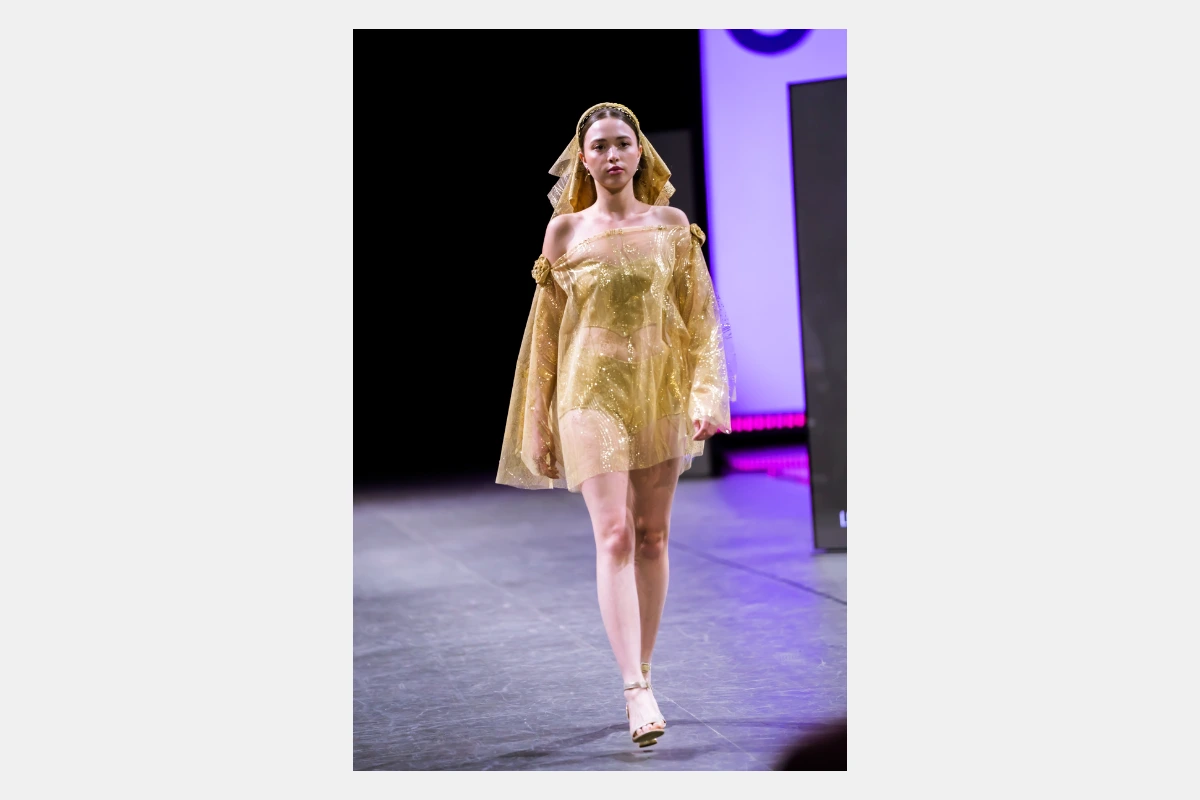
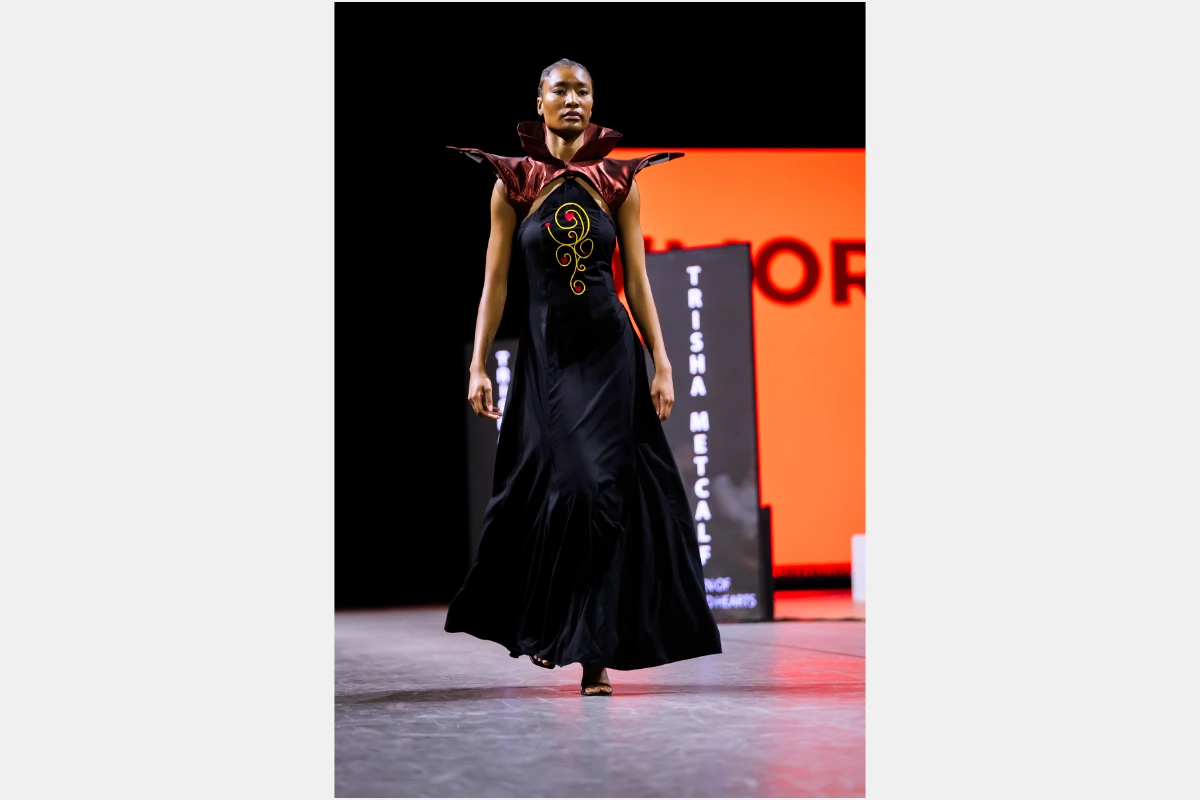
Learn More About Each Collection
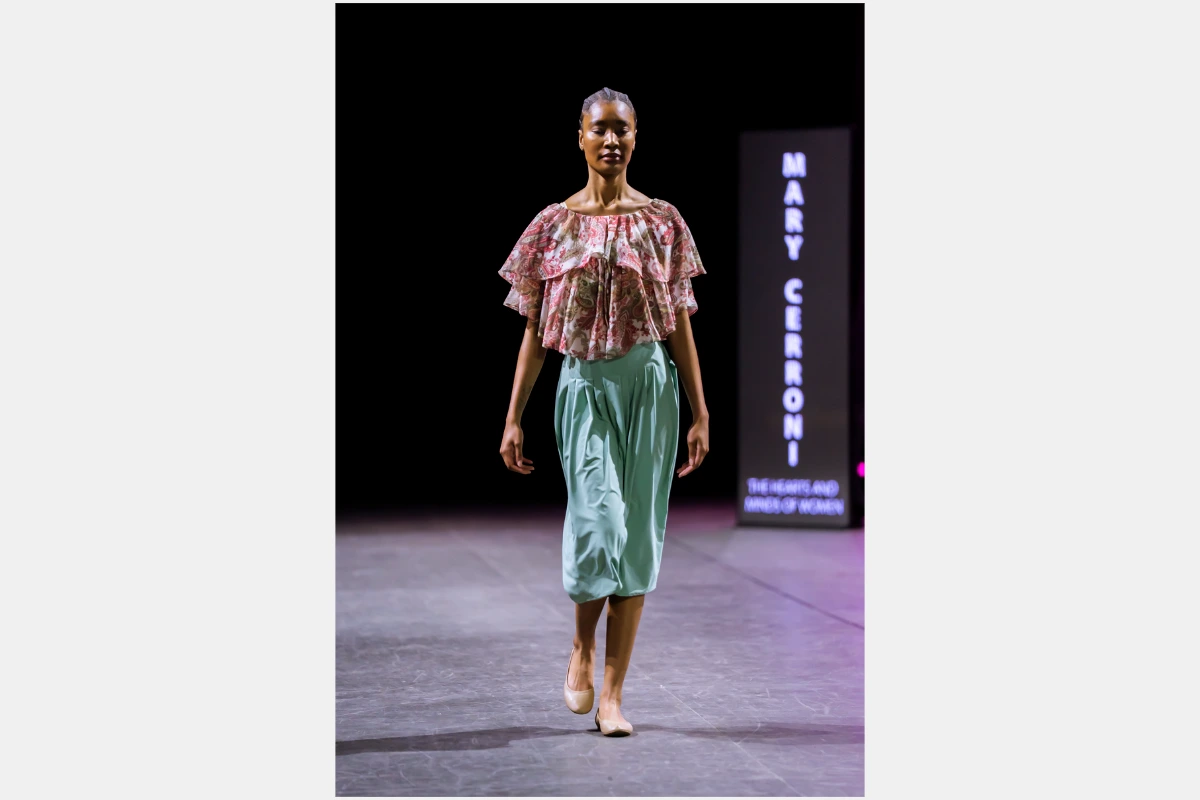
Drawing from the pages of Little Women and Gone with the Wind, Cerroni reimagines the strength of Civil War-era women for the modern wardrobe. Pin tucks, mandarin collars, gathered skirts and lace-up closures translate the period's visual language into garments that feel both historical and entirely wearable today.
"My collection was delicately crafted to reflect these inspiring historical women but evolved for the modern woman."
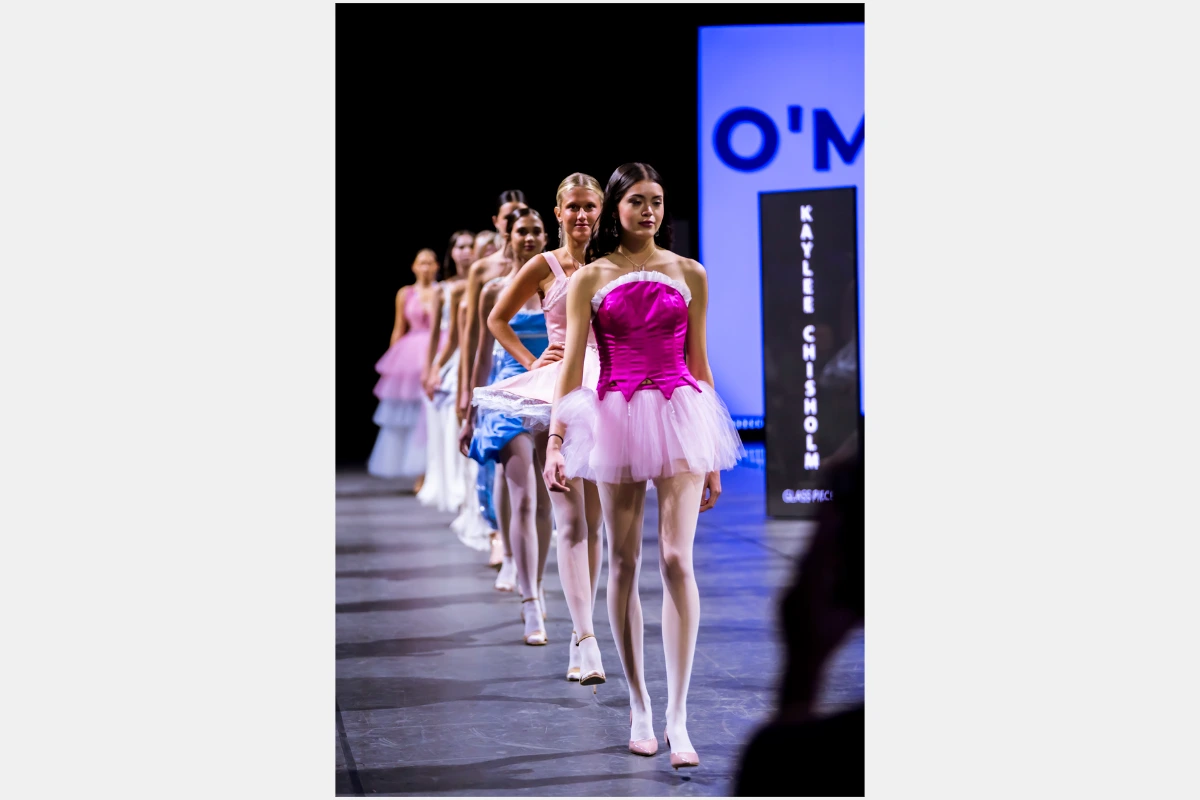
Inspired by Philip Glass's Glassworks, this dancewear couture collection translates music into cloth — balancing sculptural silhouettes against ethereal fabrics, muted tones against bold forms, and sharp crystal details against the need for freedom of movement. Designed for contemporary ballet companies and fashion audiences alike.
"Glass Pieces merges sound, body and garment into a visual symphony that highlights the resilience of dancers and the ephemeral beauty of performance."
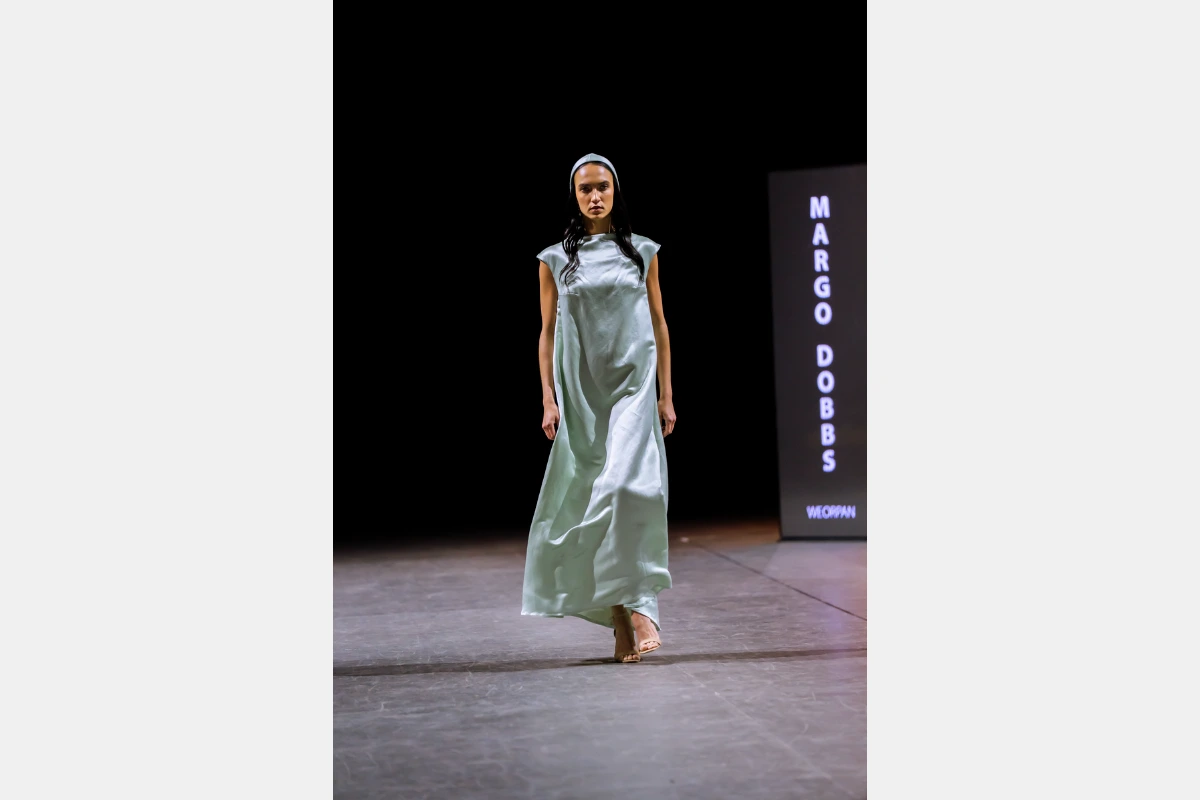
Rooted in the 14th-century chivalric romance Sir Gawain and the Green Knight, Weorþan — Old English for "to become" — tells the story of two worlds colliding: medieval royal court and ancient forest. Noble golds and reds meet earthy blues and greens in a palette that conjures Courtly Love and older gods in equal measure.
"This collection seeks to tell the story within the Gawain poem and the culture it was written in, reflecting my passions for history, folklore and legend."
Born from a semester abroad in Florence, where Edgar encountered a spontaneous circus parade while missing home, this collection fuses Western cowboy culture with circus theatrics. The tension between rootedness and change becomes wearable performance — an exploration of identity, displacement and the magic found in chaos.
"I wanted to explore the emotional push-and-pull of staying rooted while embracing change."
A love letter to words of affirmation, Little Loves preserves the power of positive reinforcement in wearable form. Monochromatic palettes embody individual affirmations; leather, satin, plissé, lace, chiffon and cotton add depth. Handmade fabric roses and hand-painted, beaded, embroidered text turn small words of love into lasting design details.
"Small words of love hold profound meaning and power."
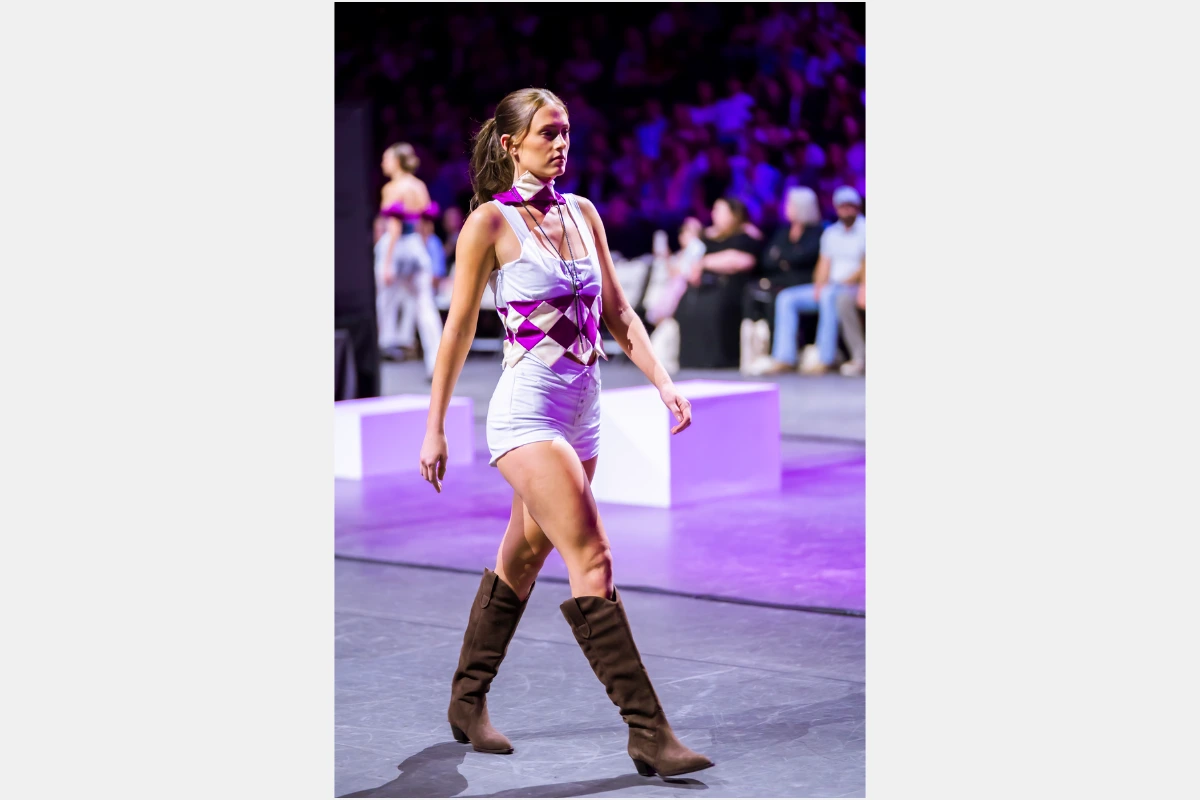
A resort collection rooted in lifelong summers on the North Carolina coast, Charter to Cape Lookout captures the journey from Atlantic Beach to the iconic diamond-patterned lighthouse. Flowing silhouettes in lightweight fabrics carry nautical details — ropes, shells and pearls — designed for warmth, movement and the open water.
"I drew inspiration from textured sand, ocean breezes, crashing waves and the iconic diamond shaped lighthouse."
An origin story for a villain, Queen of Wounded Hearts follows the Red Queen's arc from bitterness to reconciliation. A tight palette of red, white and black punctuated by gold carries the emotional weight, while "broken heart" hip pads, caged details and exaggerated points give the structural vocabulary of a character in transformation.
"Evolving versions of the Red Queen are captured with each look — starting with the cruel, caged-off villain that eventually progresses into the more receptive, reconcilable sister."
Gothic elegance meets frontier structure in Turner's debut capstone. Each piece is conceived as a timeless relic — ghostly yet grounded, delicate yet strong — built around the idea of romantic grit and the belief that great clothing transcends trend cycles. The collection is as much a design philosophy as it is a wardrobe.
"Each piece is imagined as a timeless relic, carrying traces of history while shaping a vision of fashion that endures."
Junior Prompt: American Heritage Through Fiber
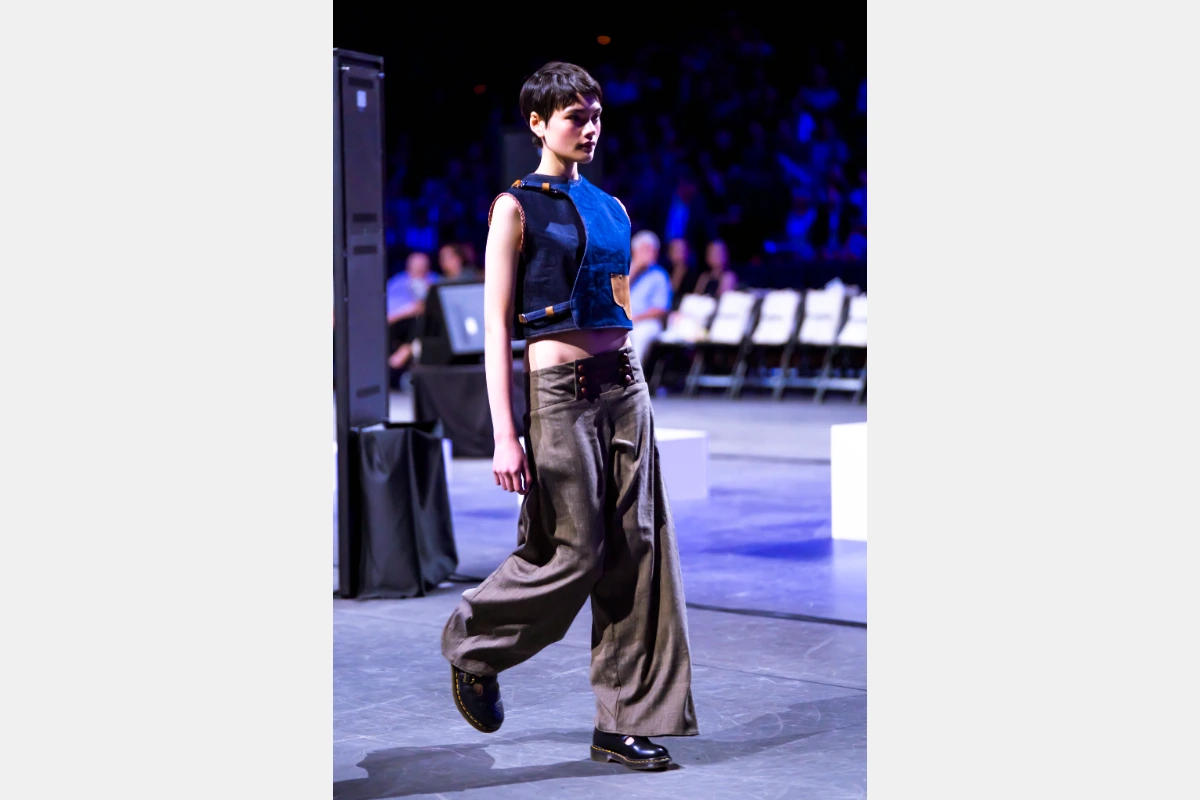
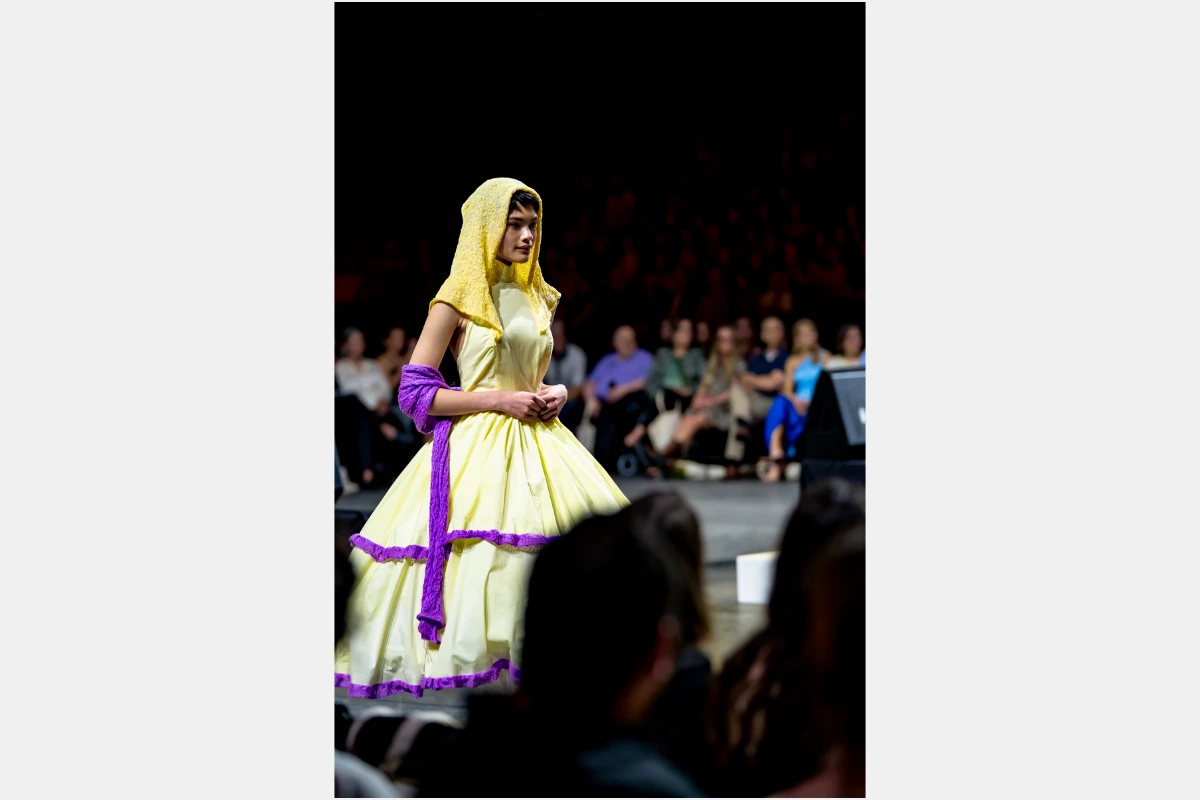
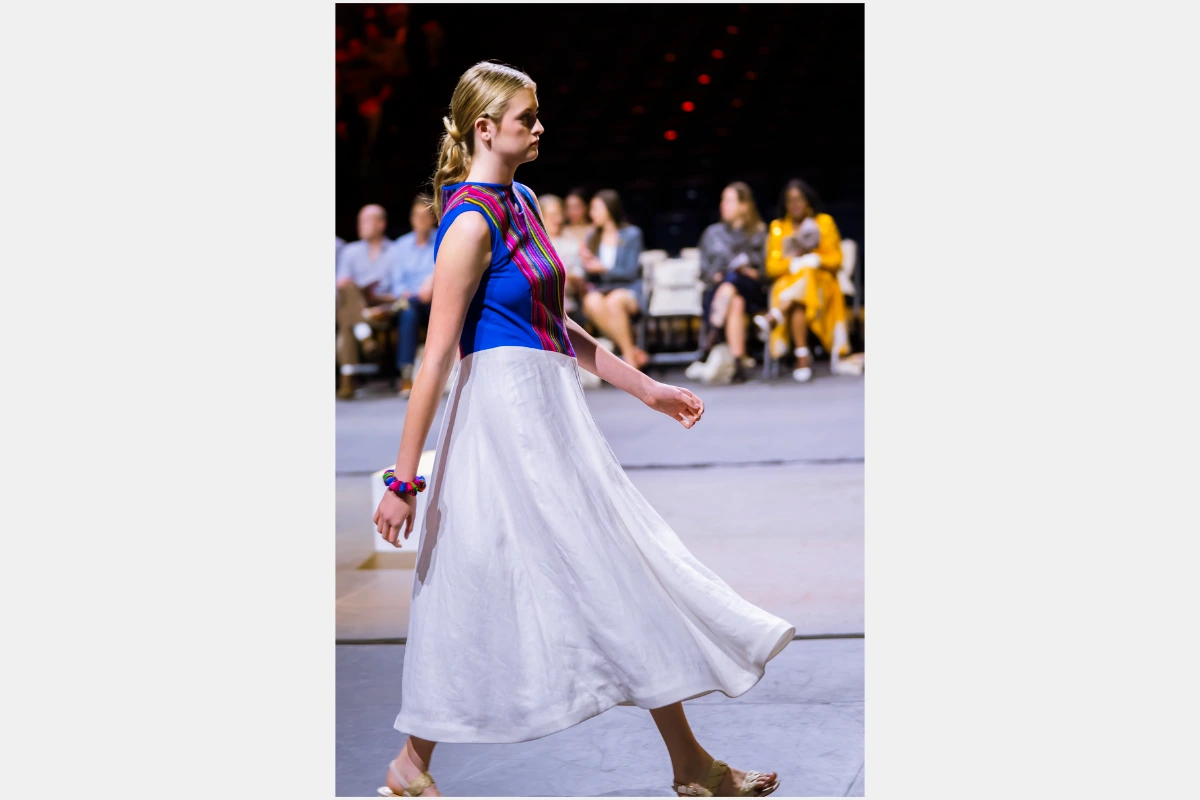
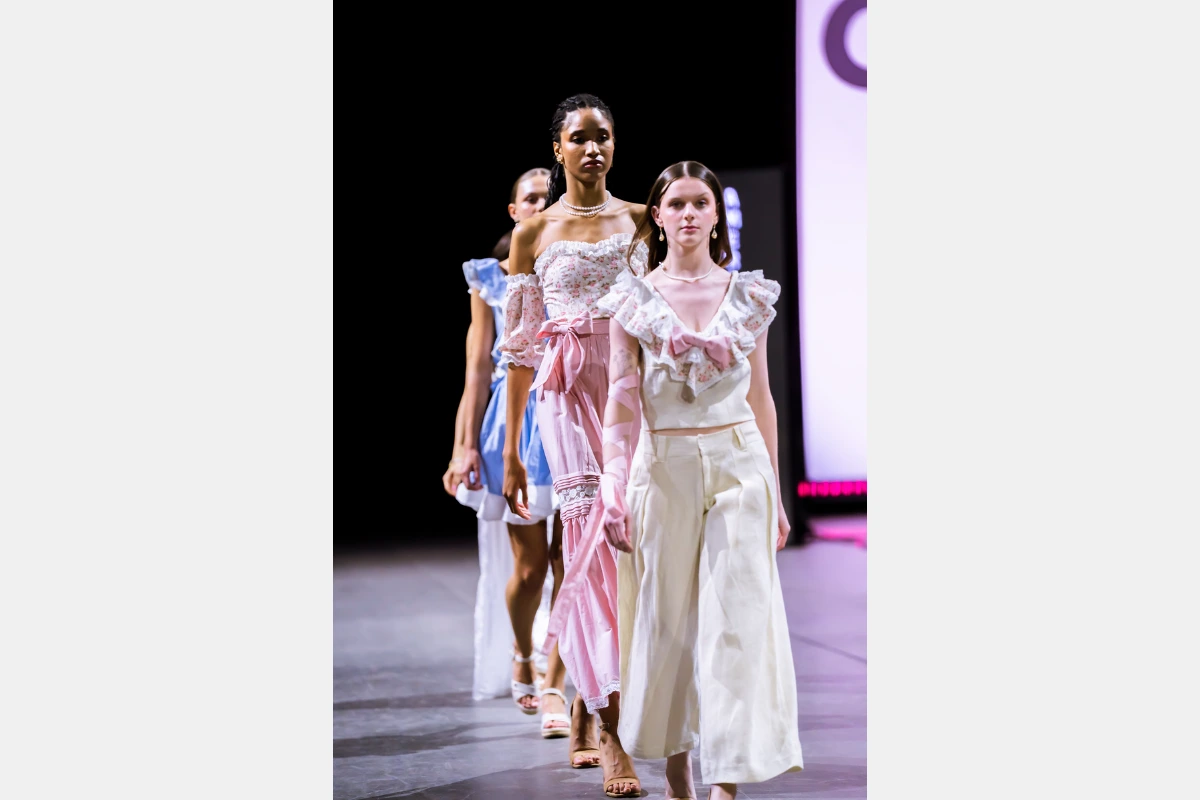
While seniors presented fully developed collections, juniors approached design through a structured prompt designed to build their conceptual thinking. Tasked with exploring American identity through natural fibers — cotton, wool, flax and hemp — students were asked to reckon with materials that have shaped the country's economy, culture and history.
The resulting mini-collections ranged widely in interpretation, with designers drawing on influences from Jackie Kennedy to Native American traditions, each finding their own entry point into the complexity of American heritage.
The Full Picture
The runway looks and community partnerships are only part of the story. Behind every logistical and creative layer of the production — from the run of show and stage design to social media strategy and the opening hype video — are O'More's fashion business students. This year's show was coordinated by Star Grieve, who also led the Fashion Event Management course, with oversight from Stephanie Reese, chair of fashion and assistant professor.
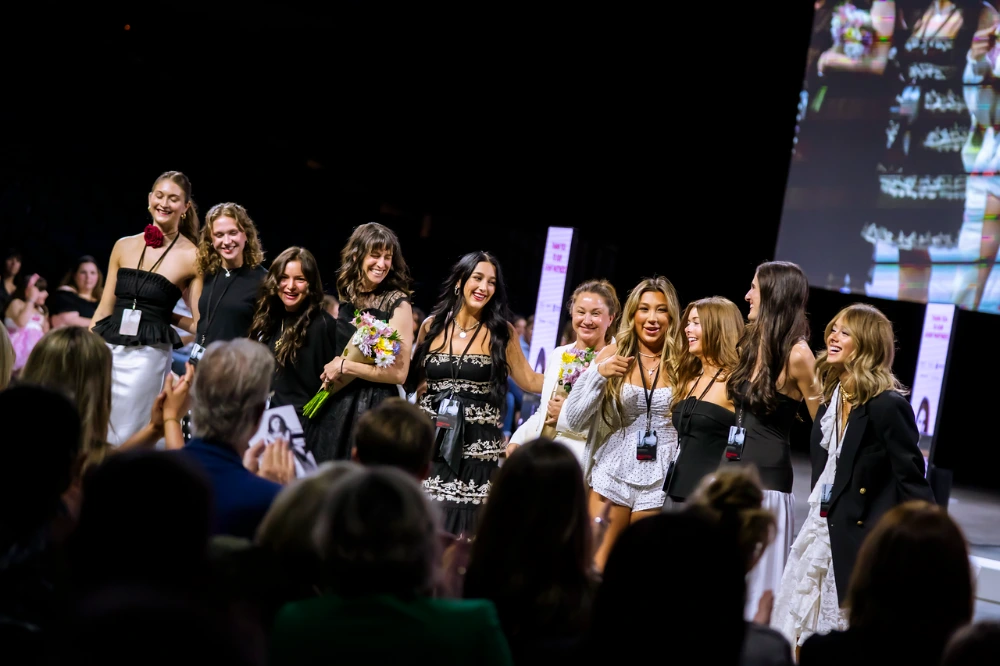 For Reese, the show's real power lies in what it produces beyond the night itself.
“This show reflects the full scope of what our students do,” she said. “From producing and marketing a live event to designing collections that respond to real people and real needs. It’s shows students how to pair creativity with purpose, and prepares them to lead across every part of the fashion industry.”
That combination — technical rigor, empathetic design and real-world production experience — is exactly what O'More's fashion program is built on. Twenty-six years in, the show remains its clearest proof of concept.
Learn More
Explore the fashion programs at Belmont