

Inaugural cohort of DNP students on leadership track recognized for outstanding work
This year, both of Belmont's university-wide graduate student awards went to nursing students — specifically, to two students from the inaugural class of the online Doctor of Nursing Practice Leadership & Innovation track.
Victoria Garcia Allen was named the 2025-2026 recipient of the Belmont Graduate Student Leadership Award, and Karlee Hedrick received the Graduate Scholarship Award. The two were recognized at Belmont's Scholarship and Awards Day.
The Leadership & Innovation track, which equips graduates for roles ranging from chief nursing officers to health care consultants and entrepreneurs, launched with just five students. That a program so new — and so small — produced both university-wide graduate honorees in its first full cycle speaks to what the track demands of its students, and what it gives them in return.
"This recognition means so much because these students are not only incredibly deserving — they represent the kind of nurse leaders health care needs right now,” said Assistant Dean of Healthcare Innovation Dr. Kathryn Dambrino. “For two students from our inaugural Doctor of Nursing Practice Leadership & Innovation cohort to receive both graduate student honors is something we are deeply proud of. They are bright, driven, and compassionate leaders who are willing to think differently, ask hard questions, and take action on the complex challenges facing health care.”
A Different Kind of Doctorate
The online Leadership & Innovation DNP track is designed for nurses who see problems they can't solve from where they're standing. Unlike a PhD, which centers on a single research focus, the DNP is what Garcia Allen calls "an iterative doctorate" — one that asks students to identify a need, survey the literature and evolve their thinking in real time.
Rather than preparing graduates for advanced practice provider roles, the track builds expertise in innovation and system-level transformation, preparing nurses to work as executives, consultants, entrepreneurs, lobbyists and educators. Students graduate eligible to sit for the American Organization of Nurse Leaders' Executive Nursing Leadership certification exam, a credential that signals readiness for the field's highest levels of leadership.
The program's structure reflects that ambition. Courses are graded on competency rather than a traditional A-F scale, pushing students to sit with their work, incorporate feedback and revise until they've truly met the standard. Practicum experiences function as immersive internships, placing students inside nonprofits, health care startups, venture capital firms and hospital leadership teams — environments where the nursing perspective is often absent but urgently needed.
“This student success reflects the deeper purpose of this program,” Dambrino shared. “Preparing the next generation of nurse leaders to strengthen health care systems, advance education and create innovative solutions that improve lives."
Expanding What Nurses Do
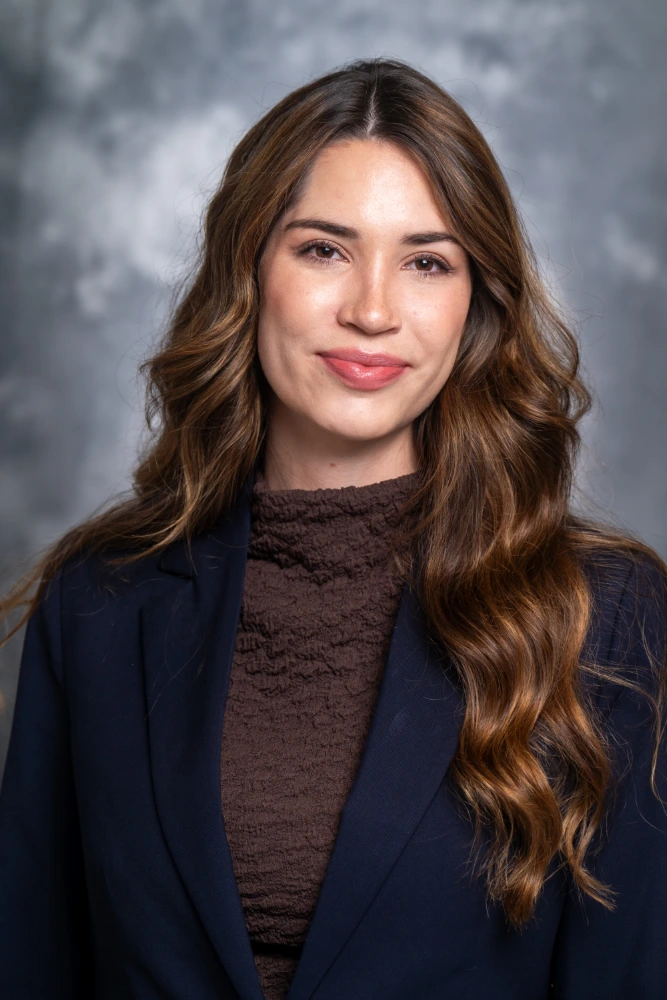 For Garcia Allen, the road to Belmont's DNP program began at the bedside. A Belmont BSN graduate, she spent years as an oncology nurse at Vanderbilt and Sarah Cannon before moving into clinical teaching. It was there — watching systems fall short, noticing gaps in trauma-informed care, mentoring students on the floor — that she felt the pull toward something larger.
"There were these big system things that I wanted to tackle," Garcia Allen said. Her scholarly project eventually centered on a critical gap in nursing: the underrepresentation of Black men in the profession. She designed and led an intervention day aimed at exposing young men to nursing as a career, bringing in Black nurses at every level of preparation to offer mentorship and visibility. The interest it generated was statistically significant — but more than the data, it was transformative on a personal level. "It really involved undoing certain things that you grew up believing," she said.
Garcia Allen also pursued practicum experiences that took her well outside traditional nursing spaces — a venture capital firm, a value-based care startup, a nonprofit — deliberately seeking rooms where nurses are rarely present. "Nurses deserve a seat at the table," she said. "I wanted to learn how to pitch myself and advocate for that."
Bringing the Nursing Voice into New Spaces
Hedrick came to the L&I track from pediatric nursing, having worked in emergency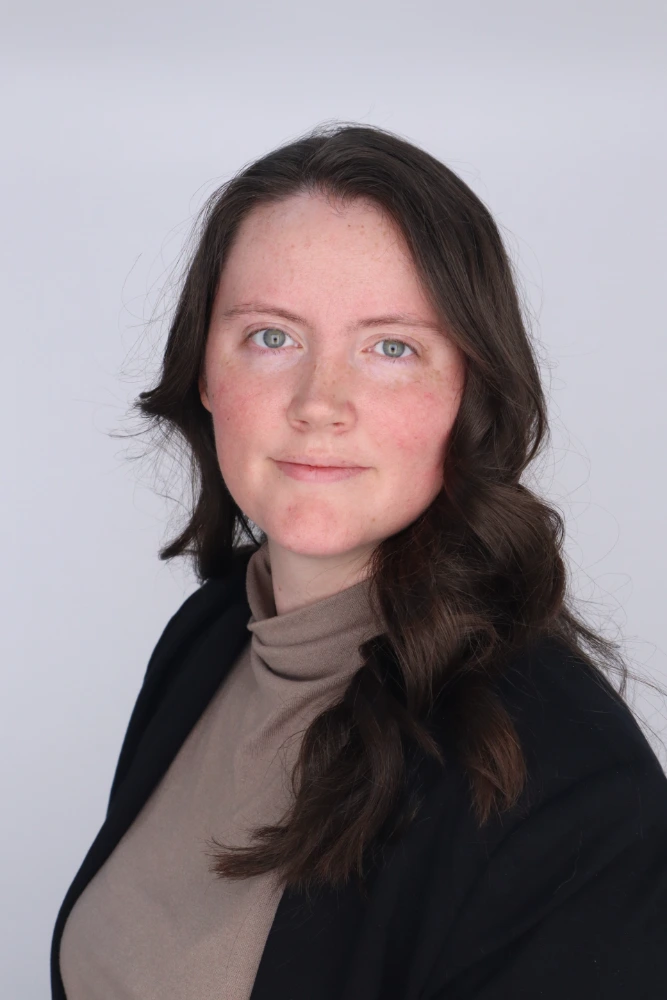 departments, the NICU and, most recently, as a flight nurse on the ambulance — all while training new staff and developing a passion for nursing education along the way.
A policy course early in the program proved pivotal in shaping her sense of what nursing leadership could look like. A guest speaker — a Belmont alumna who had moved from bedside nursing into health policy — made the case that nurses were largely absent from the rooms where major health care decisions get made. "It made me realize the importance of bringing the nursing voice into spaces where it's often missing," Hedrick said. That conviction was reinforced when the cohort met a nurse working in architectural design, a reminder that the reach of nursing leadership extends further than most nurses are taught to imagine.
Hedrick credits much of her growth to her scholarly project advisor, Dr. Kaylyn Bourne, who pushed her beyond simply meeting standards. "Our professors aren't just trying to move us through the program," she said. "They truly want us to grow and succeed beyond graduation." When she learned she had been nominated for the award by her faculty, she was speechless. "Through all the long nights, revisions, and challenges, they also recognized my growth," she said. "It's incredibly affirming."
Going Beyond Patient Care
Both students are quick to point out that their personal lives kept moving alongside their academic ones — new babies, shifting careers, the ordinary and extraordinary weight of life as adult learners. That they arrived here anyway, together, feels meaningful.
For nurses considering the track, Hedrick offers a fresh take.
"A graduate nursing degree doesn't have to mean pursuing an advanced practice provider role. The nursing perspective is incredibly valuable and needed in so many different areas beyond direct patient care."
Garcia Allen puts it simply: "This program is not about leaving nursing. It's about expanding what nurses do."
Learn More
Explore nursing at Belmont