
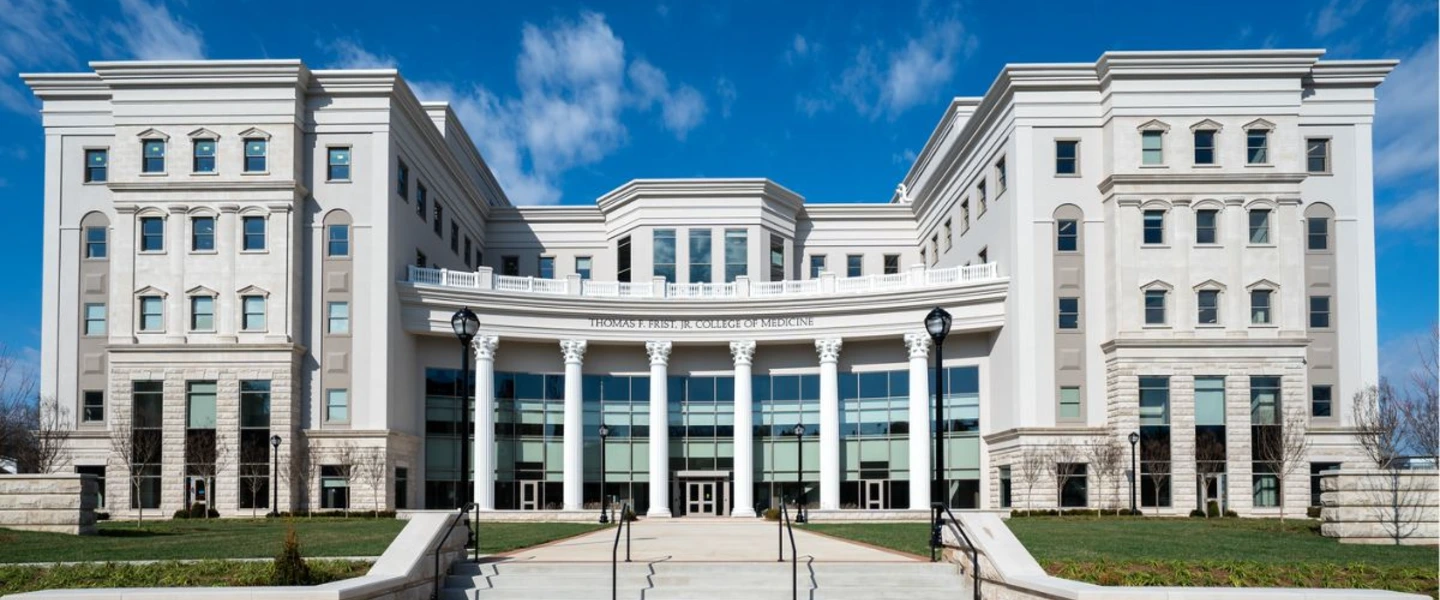
Second-year medical student reflects on leadership, life in the college’s inaugural cohort
Throughout their four years of medical school, we are keeping up with members of the inaugural class of the Thomas F. Frist, Jr. College of Medicine. These students, each with their unique backgrounds, aspirations and perspectives, are not just pursuing their dreams of becoming physicians — they're helping to shape the future of medical education at Belmont University.
Now in their second year, they are moving from foundational coursework into clinical rotations, taking their first board exams and stepping into the hospitals and clinics where they will train as future physicians. Their stories offer a window into the evolving world of medical education and the innovative approach of Belmont's newest college.
Read Katie's first-year profile to see where this journey began.
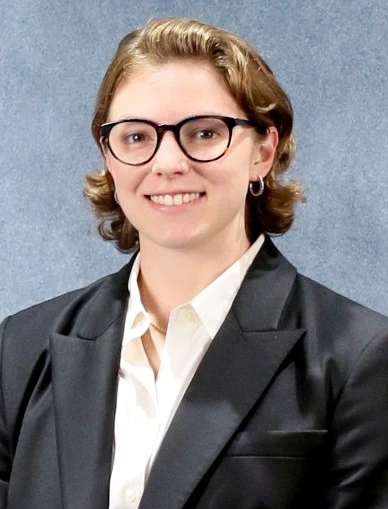
Two years into her medical school journey, Katie Pursley has a good benchmark for how far she's come: HBO’s The Pitt.
The first time the Thomas F. Frist, Jr. College of Medicine student watched the medical drama, she and her classmates would text each other excitedly every time they recognized what was happening on screen. Now, in her second year, those texts come faster and with a lot more confidence behind them.
"We know so much more," she said. "It's awesome to have this gauge outside of just school to prove how much we've learned and grown."
That growth has unfolded on multiple fronts. Academically, clinically, personally — Pursley has spent the last two years completing a rigorous curriculum while actively shaping a program that didn't exist before she arrived.
Building While Learning
As a member of Belmont's inaugural medical cohort, Pursley knew from the start of year one that she'd be helping write the rules, which she didn’t shy away from. When the college established its house system — dividing the student body into three communities, each named for a trailblazer in medical history and supported by two faculty advisors — Pursley stepped into the role of house president for Hildegard House.
The houses are designed to give students a more personal layer of community within the program. Regular meetings bring members together to have conversations that might get lost in the pace of a rigorous curriculum, covering topics like professionalism, burnout and available resources. Each house also takes on its own personality over time, shaped in part by the historical figure it's named for. Hildegard House honors Hildegard von Bingen, a 14th-century German nun credited with pioneering naturopathic remedies at her monastery — a trailblazer by any era's standards, and a fitting spirit for a class that sees itself the same way.
"Not a lot of people get to say that they got to build their program from the ground up," Pursley said. "And for the rest of our lives, we're going to be able to say that."
The house president role took on new meaning when the college welcomed its second class. Leading meetings on professionalism, self-care and student resources, Pursley found herself in the position of welcoming newcomers to a program she'd helped establish. The arrival of first-year students, she said, made everything feel more real.
Working closely with house faculty advisors, Pursley said the relationships she's built through the house system — with peers and mentors alike — have been among the most meaningful parts of her medical school experience. 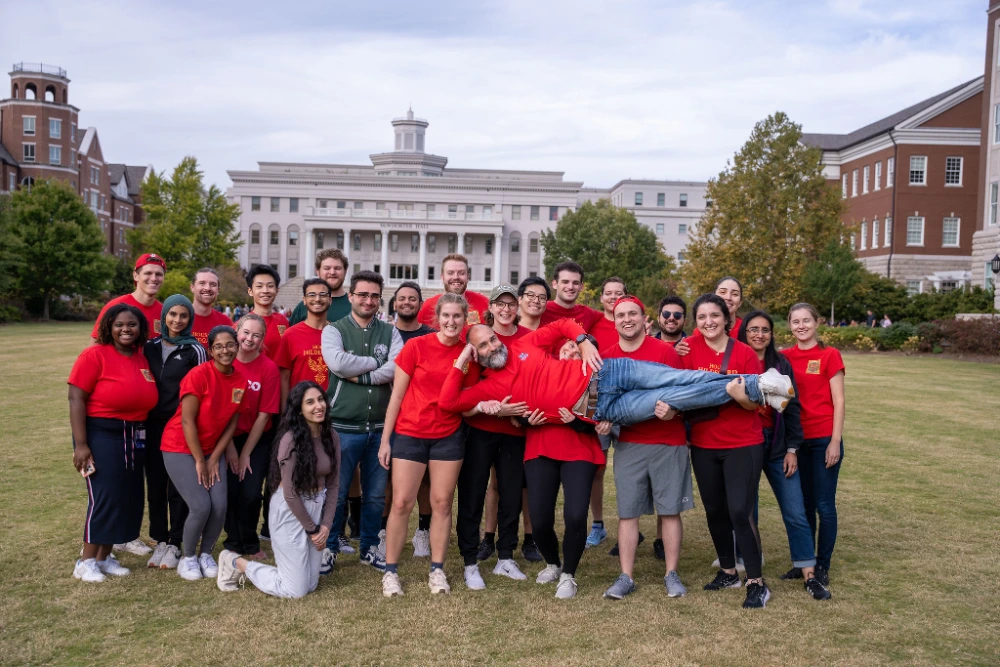
That experience also includes the House Olympics, held each October on the quad. The three houses compete in events like kickball and tug of war — a deliberately low-stakes contrast to the intensity of medical training that, Pursley said, ends up doing something the curriculum can't: getting students to let loose together.
Passersby stop to watch. People who spend most of their days in lecture halls and anatomy labs find themselves clinging to a tug of war rope. It turns out that shared silliness builds community just as effectively as shared struggle.
It’s worth noting that last year, Hildegard House won.
Global Health Experience Expands Perspective
Between her first and second years, Pursley participated in the college's Global Health elective, spending three weeks traveling to South Korea and India to study disaster risk reduction.
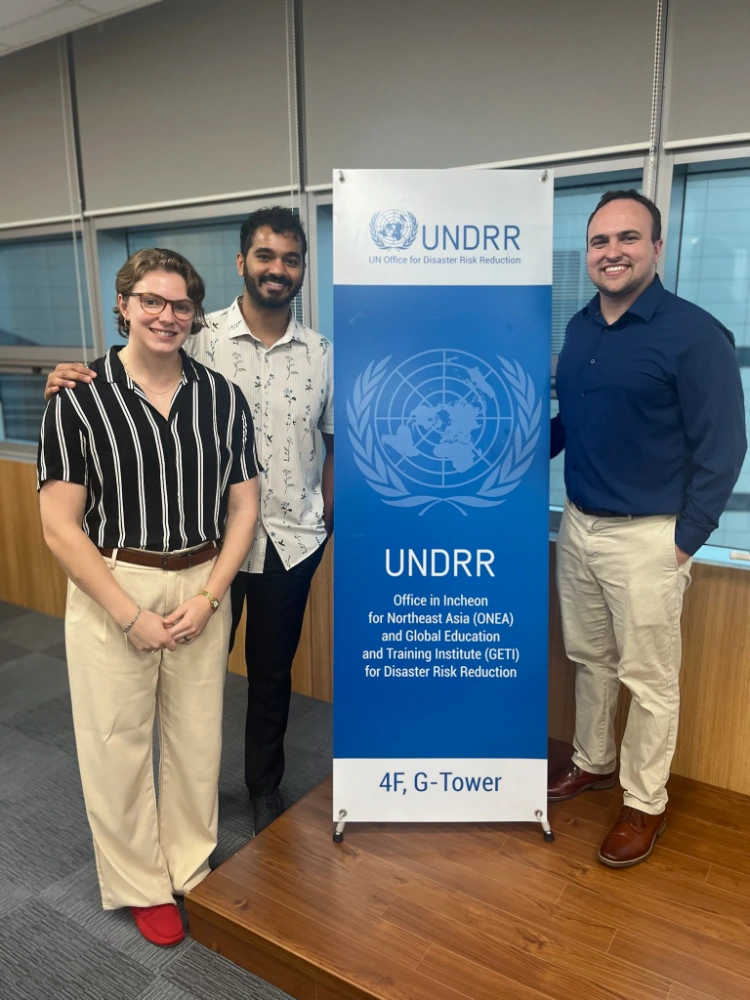 The trip was intense, but also transformative. While in India, she developed a research project on tuberculosis, inspired in part by John Green’s “Everything is Tuberculosis” — a book she'd been reading that explored the disease's widespread historical presence.
"I looked around on our travels and I was like, this is the perfect opportunity," she said. She presented the project at the college's Global Health Symposium and won second place, a result she hadn't anticipated.
"The best achievements are the surprise achievements," she said. "It felt validating. Like, the work I do is interesting and important."
Finding Balance in Medical School
Pursley arrived at Belmont with an already well-developed commitment to self-care — sleep schedules, mindfulness practices, firm limits on study hours. Two years in, that commitment still holds, but it looks a little different.
"Part of the self-caring of it all is allowing a little bit more freedom," she said. She's let go of some of the rigid structure she initially relied on, making room for late nights when the work demands it and early evenings when it doesn't. The routines that matter most are still there, she said — she’s just become more flexible in how she approaches them.
The friendships she's built have been a meaningful part of that balance. Her cohort, she said, runs on mutual support rather than competition. When someone is struggling, the group shows up.
"I'm really proud of the friends I have here," she said. "We're adults now, and it feels a little more real."
Preparing for Patient Care
When thinking about her future as a clinician, Pursley still envisions a career in pediatrics and hospital medicine, which is the same general direction she mapped out before she started school. What's shifted is her openness. She came in with pediatric gastroenterology as her likely path; she leaves her foundational years with a broader sense of what medicine might hold. 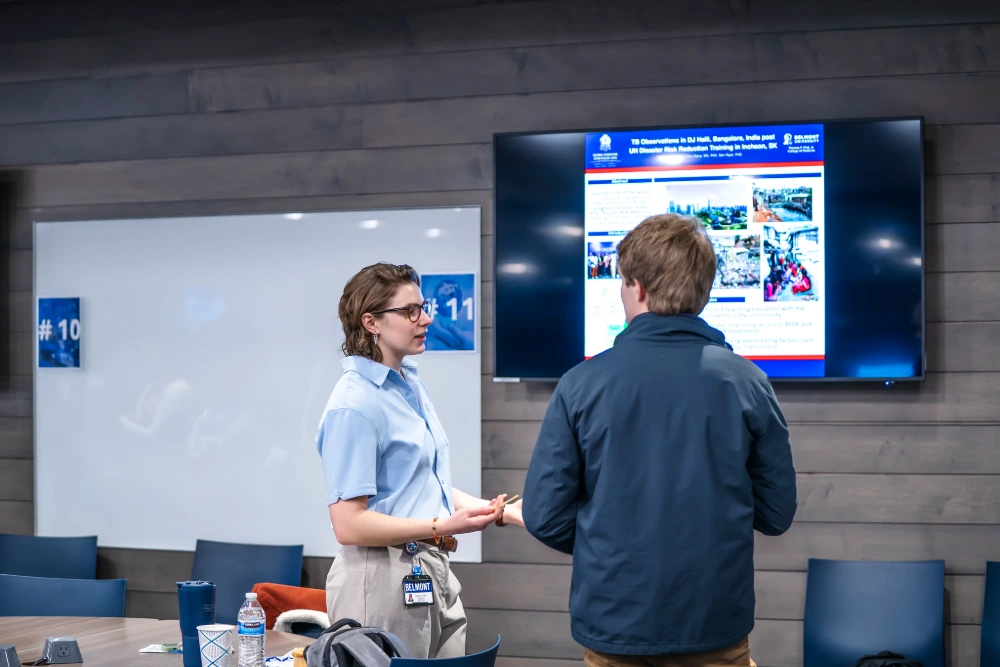
That willingness to embrace ambiguity, she said, has been one of the defining lessons of being part of Belmont’s inaugural medical cohort.
“Every single day has been the first time this class has done something,” Pursley said. “There have been bumps in the road, but we’ve learned how to move through uncertainty together.”
As Pursley prepares to begin clerkships, she is spending the weeks ahead studying for Step 1, the first of the board examinations that mark a physician's progress. Clerkships will follow — a major transition from classroom to patient care that she's anticipating with genuine excitement and clear-eyed awareness of the stakes.
"Doctoring is not sitting in a classroom for eight hours a day," she said. "It's being with people and taking care of people. That's why I wanted to go to medical school."
Learn More
Take a look inside the Thomas F. Frist, Jr. College of Medicine