
Belmont’s 29th annual MLK Week invited the community to confront suffering, remember courage and imagine a more just future
 2026 marks the 29th year of Belmont’s Martin Luther King Jr. Day celebration, bringing together local leaders and community members to honor his memory and mission. With a focus on the tension between suffering and hope, this year’s weeklong observance looked to the past to find inspiration for the future.
The Cost of Progress
The week’s programs kicked off Tuesday with a screening of Spike Lee’s 1997 documentary “4 Little Girls” in the 1890 Theatre. The film covers the Ku Klux Klan’s bombing of a Birmingham church in 1963 that killed four girls and injured many others.
Through the use of interviews and archival footage, Lee paints a picture of Black life in the South as well as how the tragedy marked a turning point for the Civil Rights Movement. Shortly after the bombing, President Lyndon B. Johnson signed the Civil Rights Act into effect that ended the overt legal discrimination of people on the basis of race.
Lee draws the film to a close with reference to four other Black churches in Birmingham that were burned in 1993 and points out that while strides for civil rights have been made, the work is far from over. The documentary is rich in sobering lament and lingers on the loss that progress has required.
History as a Call to Action
When Dr. King spoke at Fisk University in 1960, he opened by saying that he came to Nashville to find inspiration, not to give it.
“That’s the same reason I’m here at Belmont today,” said Dr. Agenia Clark, president of Fisk University, at a campus luncheon.
For Clark, honoring the past is not an exercise in nostalgia, but a mandate for present-day leadership. Much of her work as president involves “listening to the continuing cries for social justice”and staying sensitive to the needs of the marginalized.
She went on to tell the inspiring story of Ella Sheppard, a freed slave who showed up to Fisk in the fall of 1868 with six dollars to her name. After joining the Jubilee Singers and touring the world, she returned to the university where she raised the funds that would ultimately be used to purchase much of their current grounds, as well as build Jubilee Hall.
It’s students like Sheppard that keep Clark inspired. She expressed her gratitude for the history she gets to walk among every day and the people she gets to pass it on to.
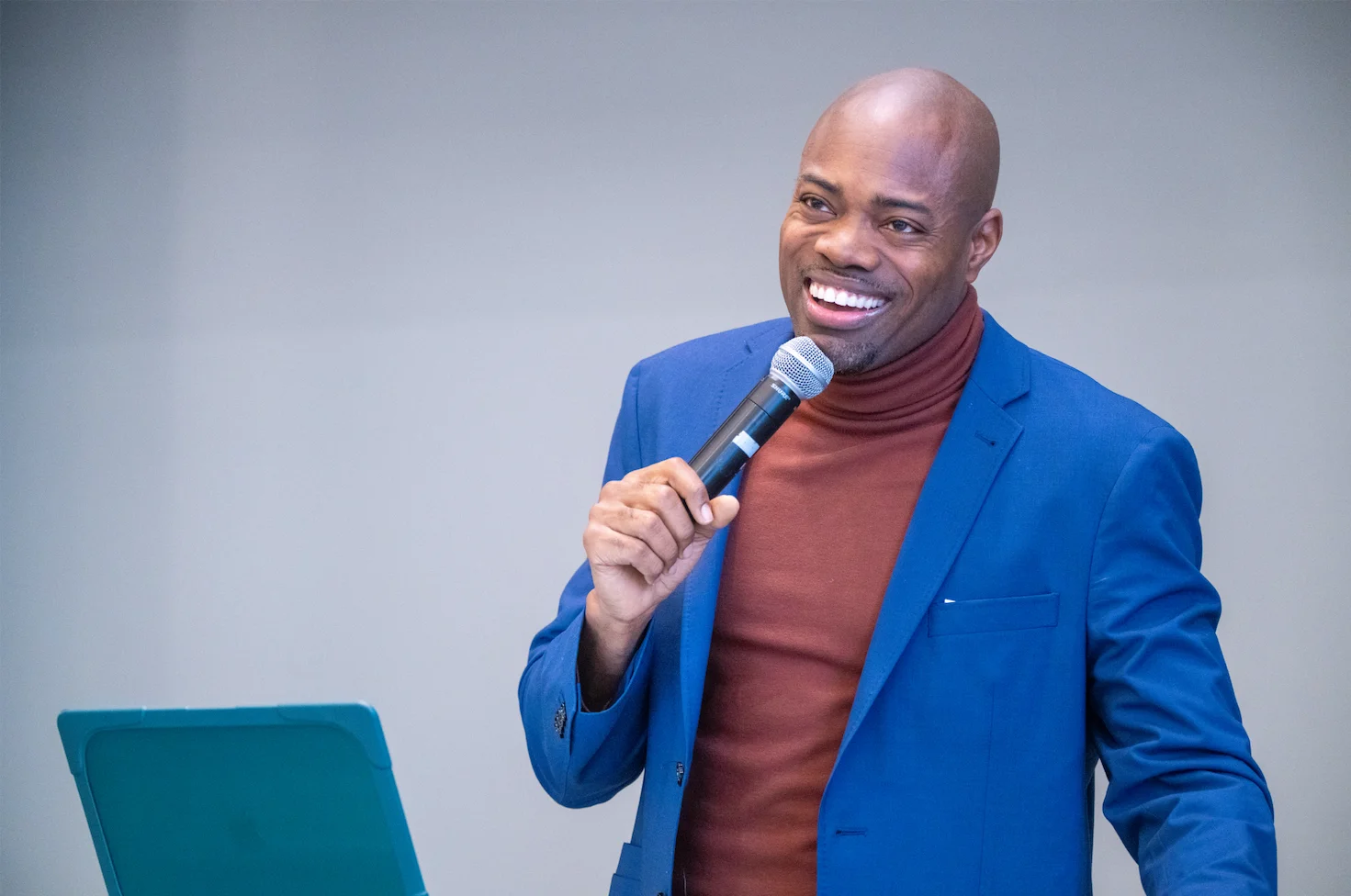
Reverend Dr. Mika Edmonson delivering his chapel sermon
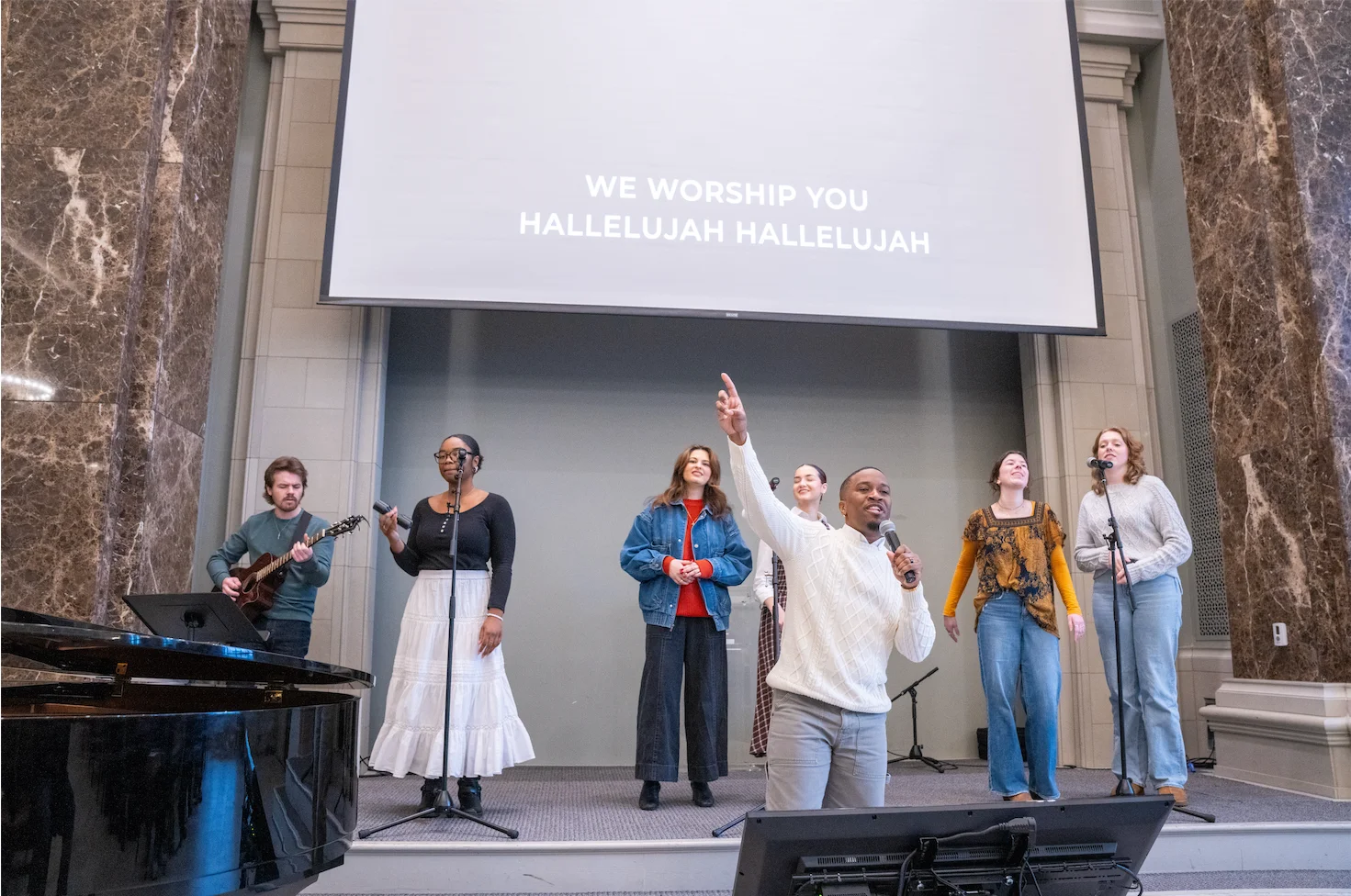
Students leading worship
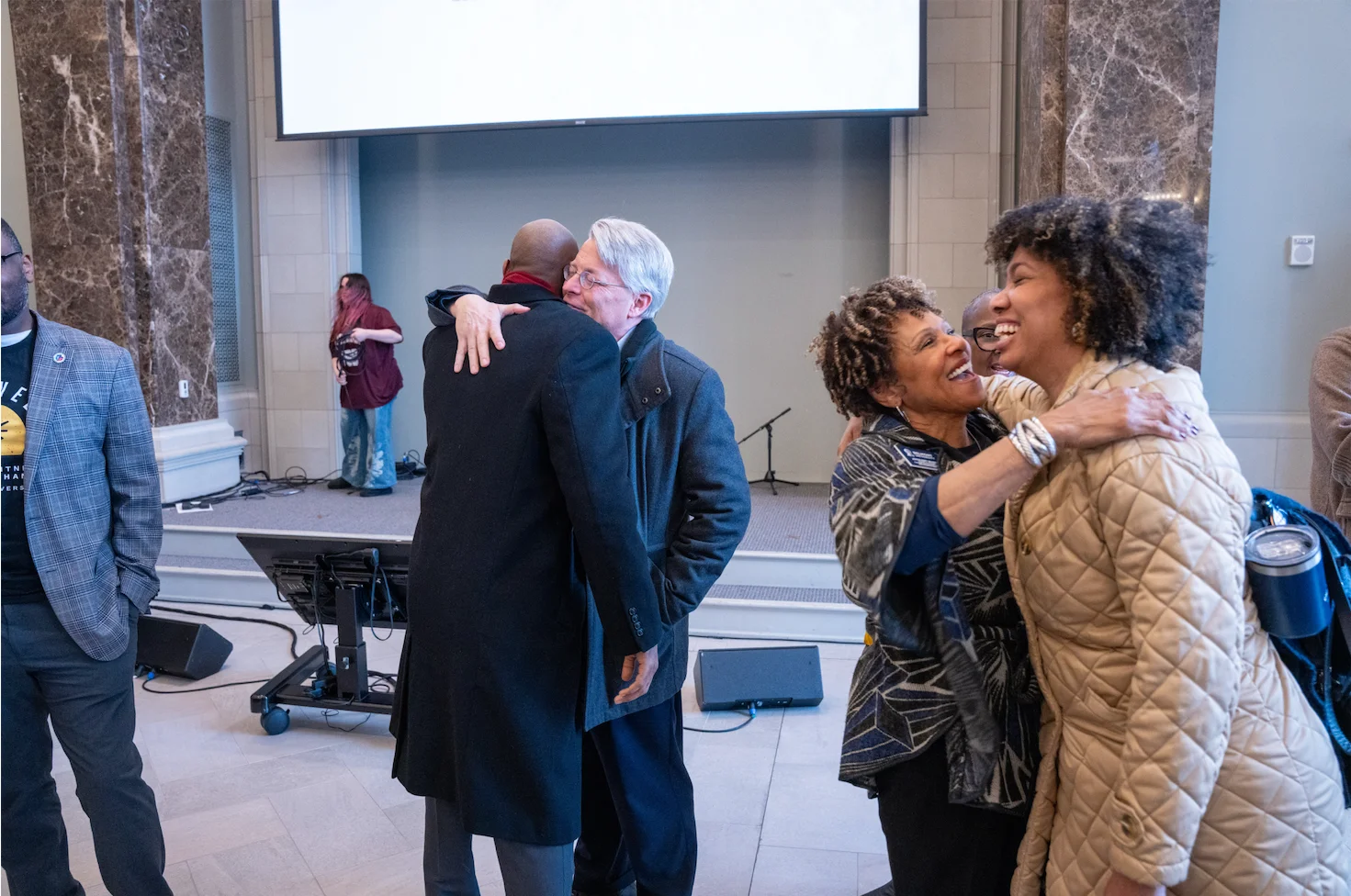
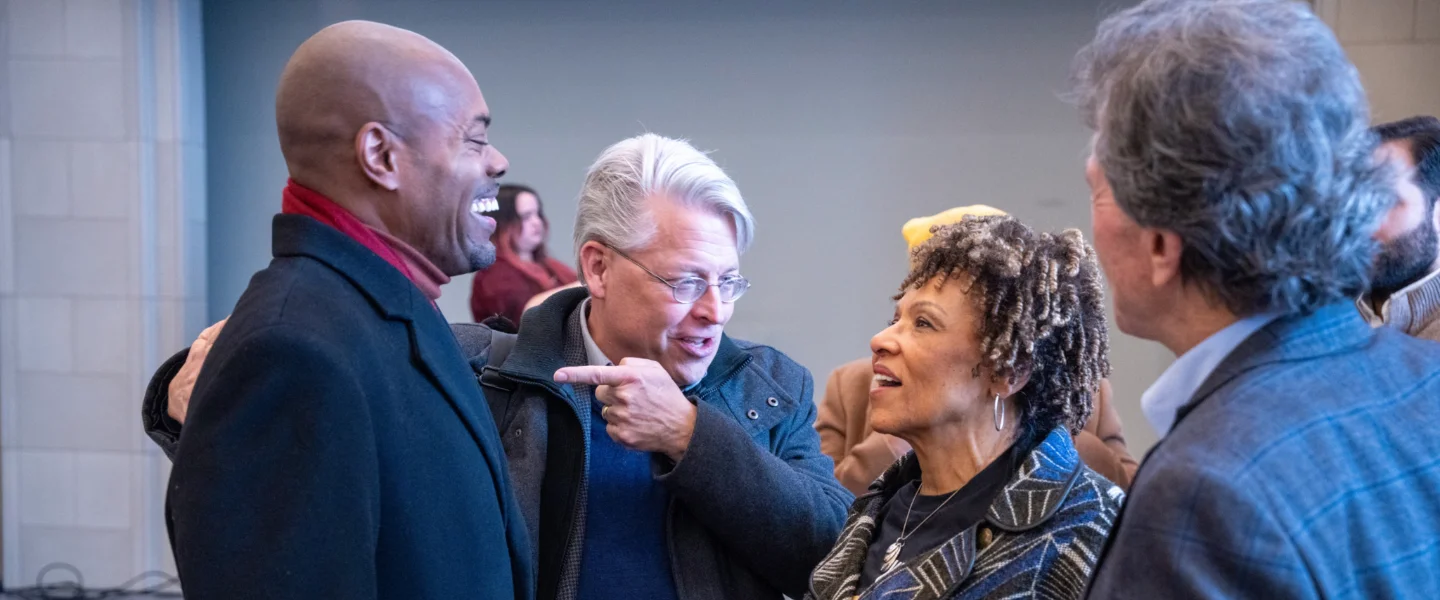
People greeting each other warmly in chapel
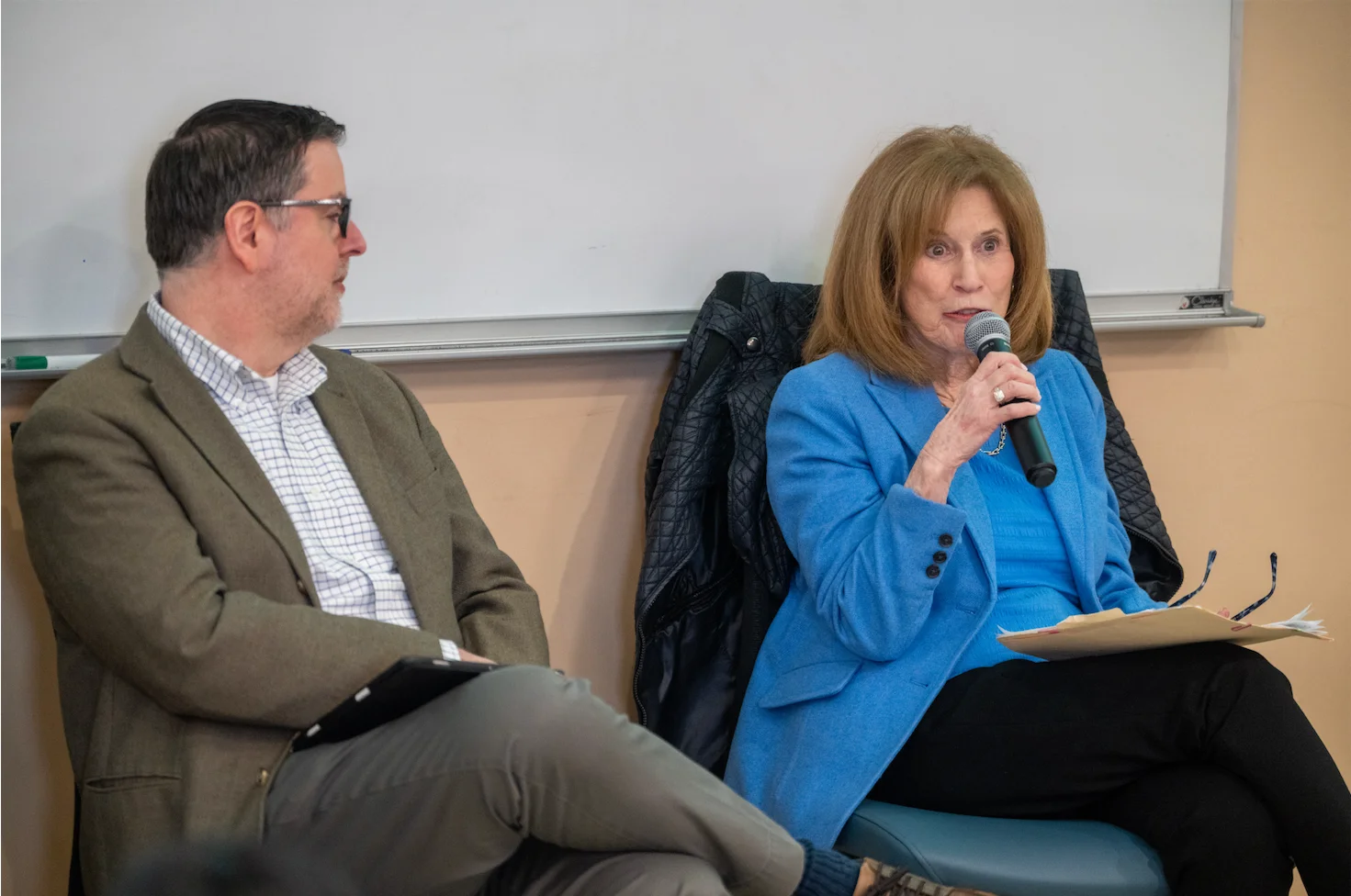
The "Common Threads of Division" discussion panel
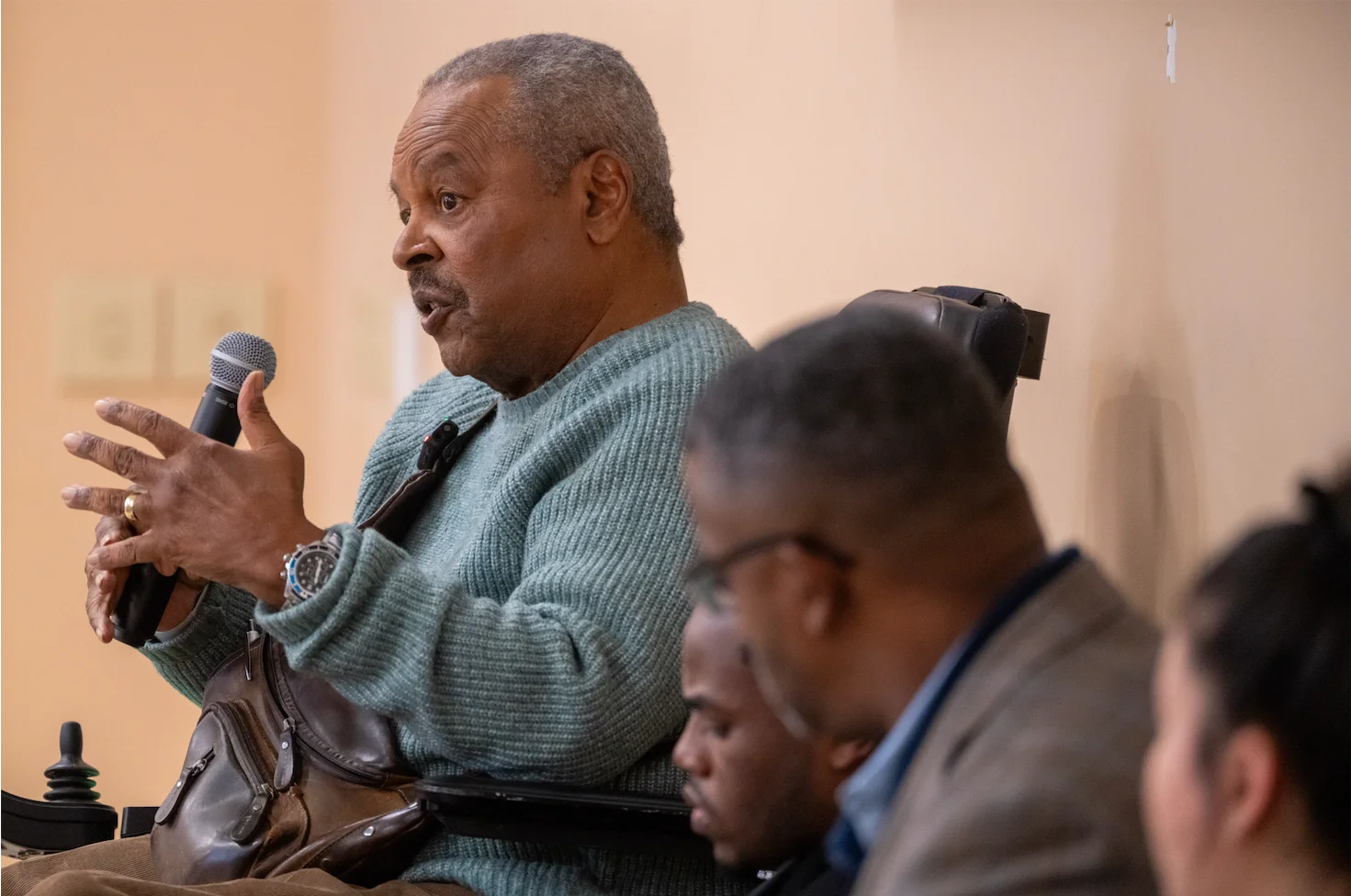
Close up of a panelist
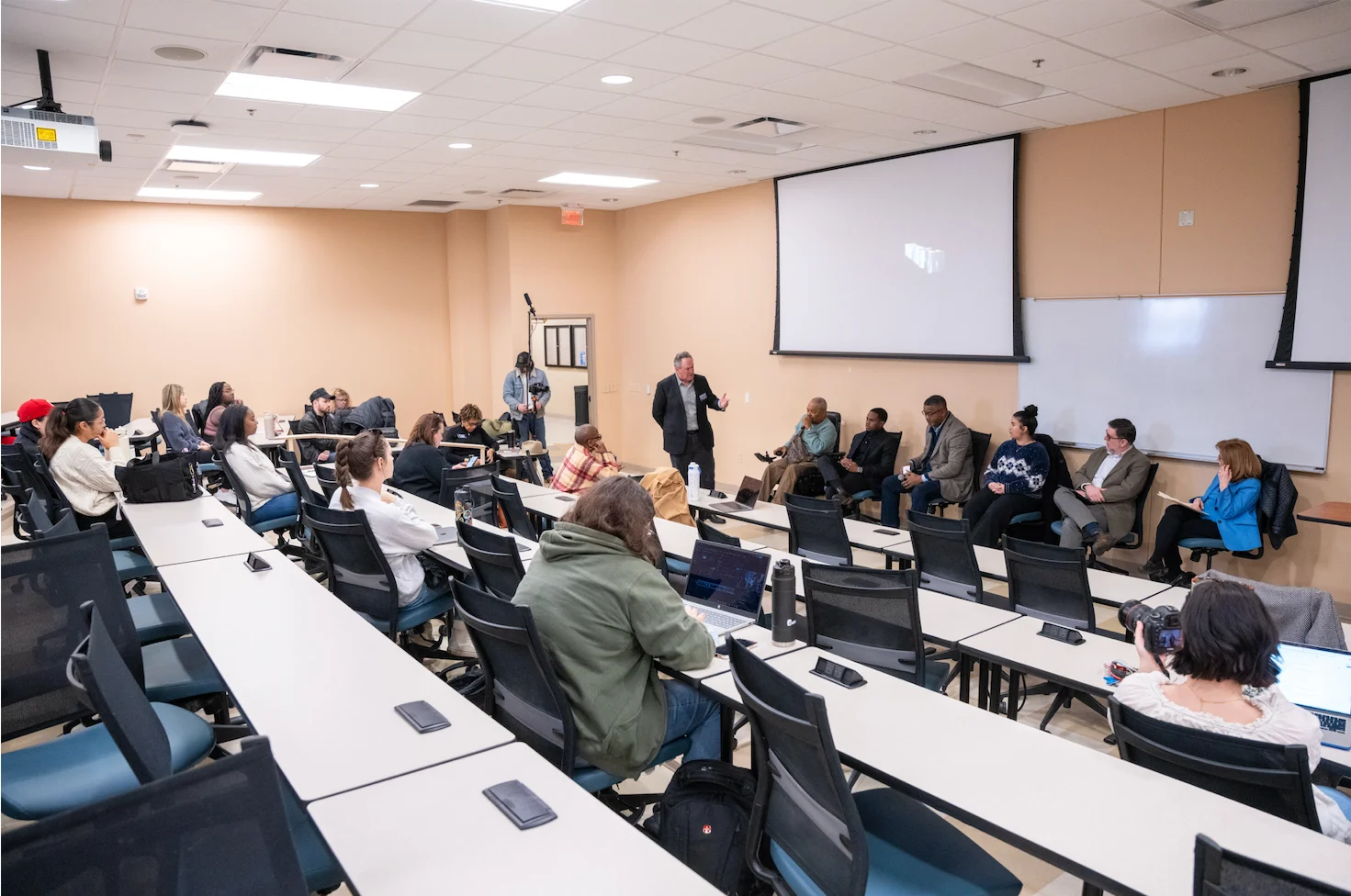
The "Common Threads of Division" discussion panel
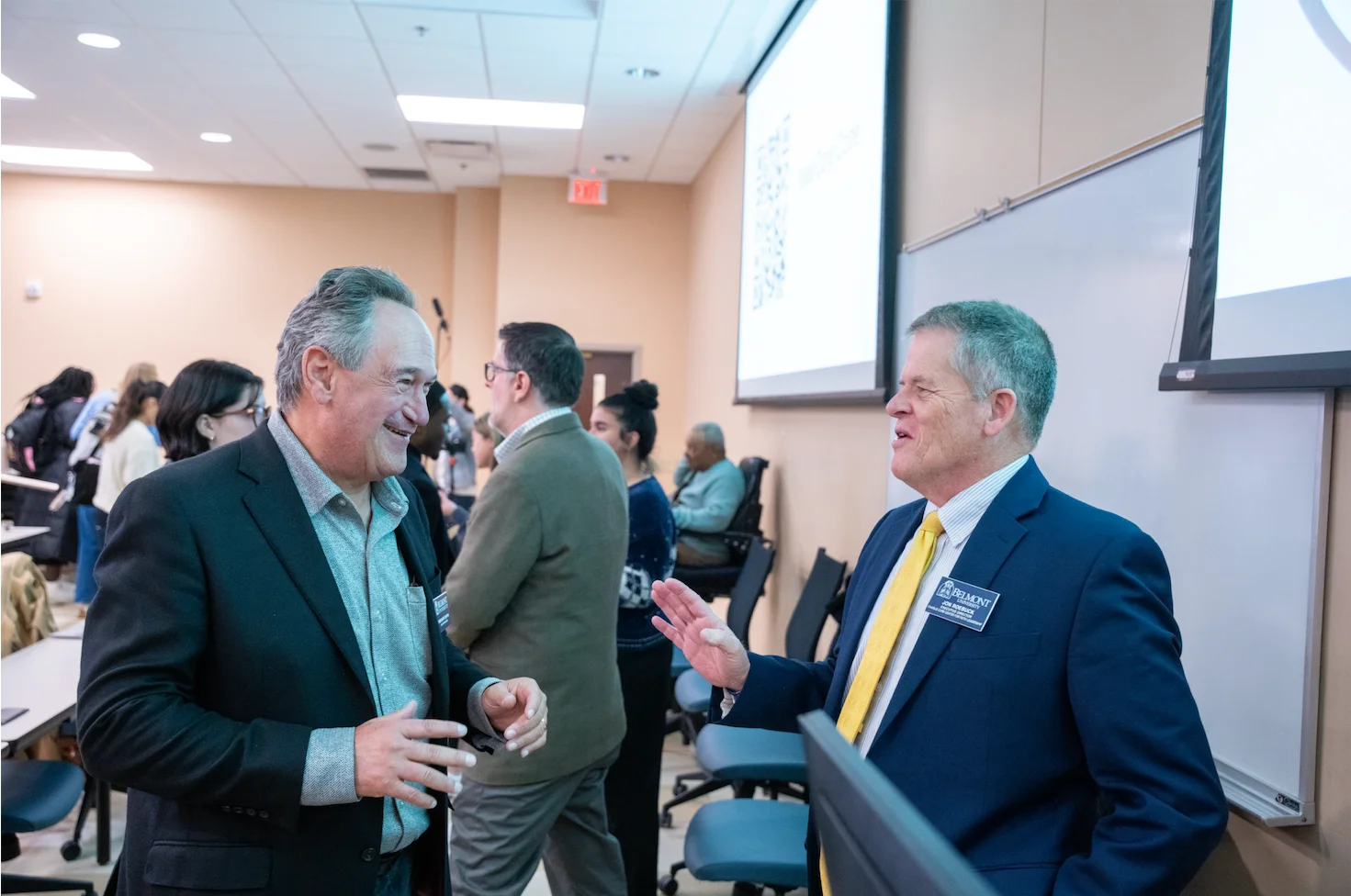
Members of the panel socializing after the discussion
Finding Common Ground Across Difference
Thursday saw the formation of a discussion panel titled “The Common Threads of Division,” which aimed to explore the rise in racist and antisemitic attitudes in America. The multigenerational panel was composed of both Jewish and African American community members who brought decades of wisdom to the table, weighing in with their experience and vision for the future.
A motivating force behind the panel was the idea that giving voice to the marginalized helps us to best be together: to recognize, as Martin Luther King put it, our own “somebodiness” and that of our neighbor. The diverse voices on the panel brought together contemporary and historical perspectives, ranging from the Civil Rights era to the present day.
Listening to the voices of those who have suffered is essential to building a community marked by wholeness, dignity and mutual recognition. It was in this spirit that the “Common Threads of Division” panel sought wisdom, understanding and hope.
Faith that Refuses to Look Away
Reverend Dr. Mika Edmonson echoed this sentiment in a chapel sermon titled “The Witness of Redemptive Suffering.” A leading scholar on Dr. King's theology of suffering, Edmonson has written the only book-length exploration of King’s theodicy. Edmonson focused on King’s faith as the centerpiece of his whole mission, describing him as someone who “engaged suffering with the love of Christ.”
“We need wisdom, guidance and hope, and we have it from the same source that King did,” Edmonson said.
His was a sermon of encouragement, one that called its listeners to action. Edmonson was firm on the point that the cross gives us hope even when it feels like there’s none left, and that God put each one of us here, in 2026, for a reason. He preached the tension that lies in looking clearly at the evil around us, while being rooted in the power and creativity of a God who allows us to imagine a better way.
Dr. Edmonson walks in King’s footsteps as a person of faith, deeply committed to the cause of civil rights.
“Because I’m a Gospel preacher, I can end with hope,” he said. “No matter how bleak it looks, Good Friday must give way to Sunday morning.”

The meaning of life is to find your calling, your passion. But the purpose of life is to give it away.
Across film screenings, shared meals, panel conversations and worship, Belmont’s 2026 MLK Week held space for both grief and resolve. Participants were invited not to rush past suffering, but to sit with it. And, like Dr. King, to allow faith, memory and community to transform lament into action. As the University approaches three decades of honoring King’s legacy, the message of the week was clear: hope is not passive. It is something we practice together.
Note:
The annual joint day of service with Tennessee State University has been postponed until April due to inclement weather.
Learn More
Read about Belmont's mission of Hope, Unity and Belonging