
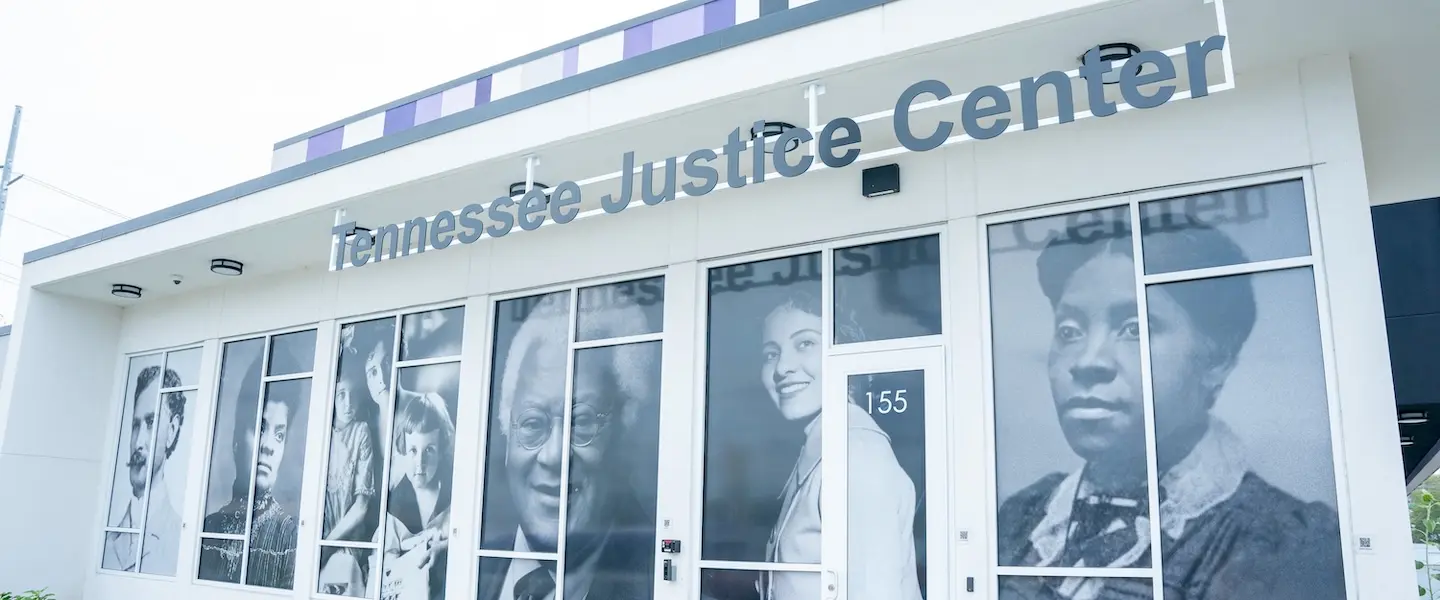
3L recognized for his extensive disability advocacy work
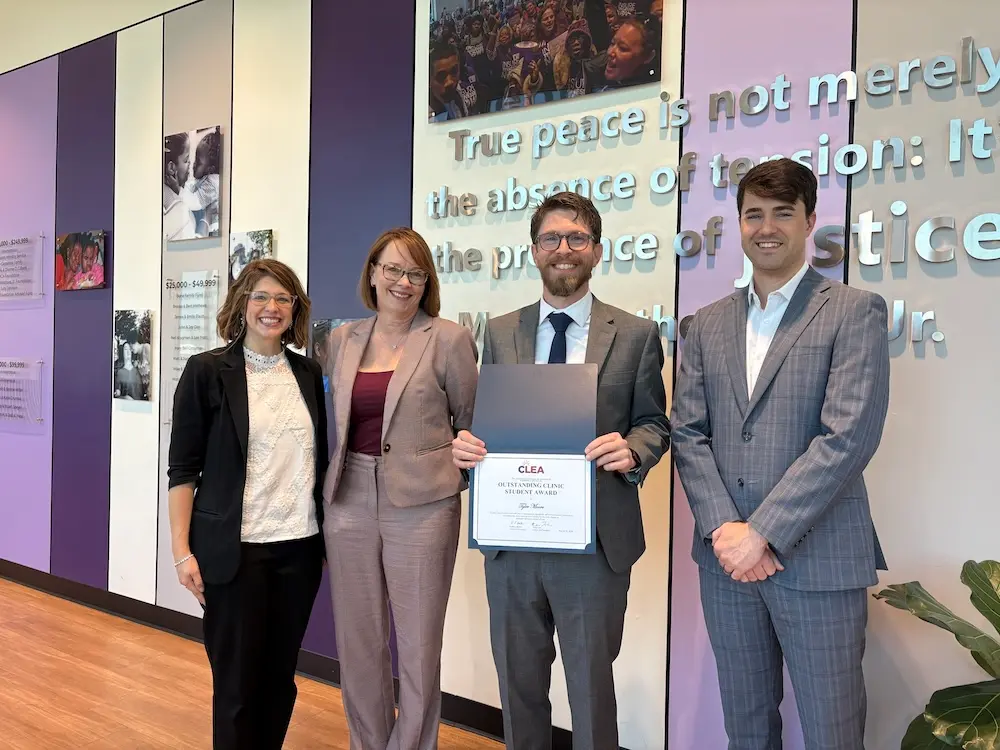
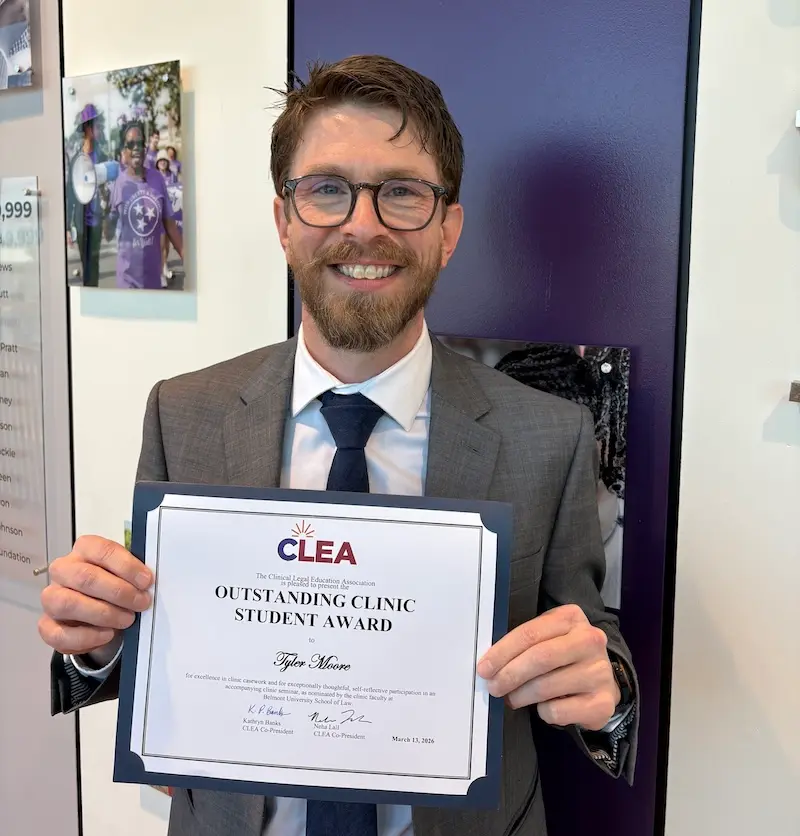
Belmont's College of Law nominated students for Clinical Legal Education Association awards for the first time this year, recognizing third-year law student Tyler Moore for the Outstanding Clinic Student Award.
"Tyler Moore is a law student dedicated to using his law degree for good," said Kristi Arth, associate professor of law and assistant dean for experiential learning. "His work is a testament to everything we hope law students get out of experiential education: a chance to find their calling within the legal industry, an opportunity to increase access to justice while still a student and the possibility to learn more about the law by seeing it in applied settings."
The Clinical Legal Education Association advocates for clinical legal education as fundamental to lawyer training. Its Outstanding Clinic Student or Team Award and Outstanding Externship Student Award give colleges the opportunity to recognize students — like Moore — who are making a significant impact as legal champions even before they graduate.
A Personal Connection for Disability Advocacy
 One of the ways Belmont’s College of Law prepares practice-ready graduates is through its robust experiential learning program, connecting students to more than 200 in-field opportunities including field placements, externships, clerkships and in-house clinics.
Each year, a select group of 3Ls receive an honor cord for distinction in experiential learning after having amassed over 300 hours of legal experience. Moore is among them, completing externships at Disability Rights Tennessee, the Tennessee Public Defender (Appellate Division) and the Tennessee Justice Center (TJC) through his law student experience.
Belmont nominated Moore for the CLEA award in recognition of his disability advocacy work, particularly his impact at TJC.
As the parent of two children with disabilities and someone who was later diagnosed as autistic himself, Moore’s commitment to advocacy is deeply personal. His previous internship with Disability Rights Tennessee strengthened his understanding of complex public benefit systems, positioning him to contribute meaningfully in the Healthcare Justice Clinic. That foundation enabled him to support a project at TJC developing accessible resources to help Tennesseans better understand the programs available to them.
Belmont’s Healthcare Justice Clinic at TJC launched the year after Moore started law school. After an initial externship there, he sought an opportunity to return — this time through Belmont’s embedded clinic model in his final year.
“My journey to law school was about wanting to represent individuals with disabilities and advocate for disability rights,” Moore shared. “I learned about TJC as part of that journey. I had been here once, had a great experience and built good relationships so I wanted to come back and get more involved.”
TJC staff attorney Emily Jenkins submitted Moore's nomination, highlighting his strong advocacy for clients, thoughtful problem-solving and persistence in navigating complex systems to expand access to support.
“He’s done great work on behalf of his clients,” Jenkins said. “He instinctively asks the right questions and follows through, making an effort to ensure that if the program we're trying to connect clients with is not an option, that we look for other ways to support them.”
Persistence is essential in public policy advocacy and disability rights work — a quality Moore consistently demonstrated during his time at TJC.
“There are a lot of closed doors, so being willing to keep looking and keep searching for ways to support people with disability issues requires a special willingness to slog through, and he's shown that,” Jenkins added.
Experiential Learning at Belmont
The experiential learning program reflects Belmont Law’s commitment to preparing graduates who are not only practice-ready, but purpose-driven. The program aims to produce law students who are effective, ethical and fulfilled legal practitioners.
Over the years, experiential learning has continued to expand in both scope and opportunity, with growing partnerships, increased clinic offerings and expanded staffing to support student experiences. In addition to a range of immersive legal experiences, Belmont Law has established two embedded clinics within Nashville’s community: the Healthcare Justice Clinic and can participate in the Healthcare Justice Clinic and the newly launched Conflict Resolution Clinic in partnership with the Nashville Conflict Resolution Center.
Moore’s CLEA recognition is a testament to the ways Belmont students are already making a difference in their communities while still in law school and carrying that impact forward into their legal careers.
Learn more about the programs in this story.