

Is English right for you? | Choose Your Path | What You'll Learn | Program Details | Outcomes & Career Possibilities | Testimonials | FAQ
Where Words Advance a Career
A Master of Arts in English from Belmont University sharpens the skills employers consistently look for: clear communication, rigorous thinking and confident writing. In small, seminar-style classes, you will work alongside faculty who are practicing writers, published scholars and experienced classroom teachers, mentors who help you turn your love of language into your next career move.
You choose the concentration that matches your goals. Study creative writing to build a portfolio of publishable work, literature to prepare for a Ph.D. or advanced teaching career, or postsecondary teaching to develop your composition pedagogy for the college classroom. Evening classes in the fall and spring, plus asynchronous courses in the summer, let you keep working while you finish your degree.
Belmont's location in Nashville connects you to publishers, editors, arts organizations and school districts that value graduates who can write, edit and teach at a high level.
Request Information
What Sets This Program Apart
- Three concentrations, creative writing, literature or postsecondary teaching, let you specialize in the area that fits your goals.
- Small seminar classes mean direct, sustained feedback from faculty on every paper and project you write.
- Evening classes in fall and spring and asynchronous classes in summer are built around a working adult's schedule.
- A thesis project gives you a substantial piece of original research or creative work to carry into your career or further study.
- The College of Liberal Arts & Social Sciences connects you to teaching practicums, internships and an alumni network across publishing, education and communications.
Accreditation and Approvals
Belmont University is accredited by the Southern Association of Colleges and Schools Commission on Colleges (SACSCOC).
Built for Working Writers, Teachers and Readers
- Faculty mentorship in small, seminar-style classes rather than large lecture halls.
- A schedule built for working adults: evenings in fall and spring, asynchronous in summer.
- Practicum and internship opportunities in college-level teaching.
- A thesis project with formal presentation that gives you a capstone credential for your portfolio or CV.
Is This Program Right for You?
- Current English teachers who want to deepen their expertise or move toward postsecondary teaching.
- Writers building a body of creative work who want structured feedback and dedicated time to write.
- Readers and critics who want training in literary theory and criticism before pursuing a Ph.D.
- Professionals in editing, communications or publishing who want a credential that sharpens their writing and opens new roles.
Skills You'll Build
- Analyze literature through multiple critical and theoretical lenses.
- Draft, revise and workshop original fiction, poetry or creative nonfiction.
- Research, write and present original scholarship at a professional level.
- Design and teach college-level composition and literature courses.
- Apply rhetorical theory to real-world writing and communication challenges.
- Complete a thesis project through independent research and a formal, public presentation.
Choose Your Concentration
Creative Writing: Study fiction, poetry, creative nonfiction, rhetoric, digital composition and genre while you build a portfolio of publishable work under faculty mentorship.
Literature: Study criticism, theory, American literature, British literature, world literature and individual authors, building the foundation for doctoral study or advanced literary scholarship.
Postsecondary Teaching: Study rhetoric, composition theory and pedagogy, with practicum and internship opportunities that prepare you to teach at the college level.
Curious about your coursework? View requirements for this degree in the course catalog.
The M.A. in English requires 30 credit hours across your chosen concentration, seminar coursework and a thesis project. Classes meet in the evening during fall and spring semesters and asynchronously during summer semesters.
- Core seminars: Graduate Research, Theory and Pedagogy Seminar, Critical Writing Seminar and History of the English Language
- Special topics: Seminars in literature and writing that build both breadth and depth
- Creative writing electives: Craft of Fiction, Poetry Workshop and Creative Nonfiction Workshop
- Teaching electives: Composition Theories and Practicum in Pedagogy
- Finish with: A capstone thesis or portfolio prepared with a faculty mentor
For complete course descriptions, see the current catalog.
You'll take small, seminar-style classes that put you in direct conversation with faculty and fellow students rather than in a lecture hall. Faculty mentorship carries through your entire program, from your first seminar to your thesis defense. If you concentrate in postsecondary teaching, you'll gain practicum and internship experience in the college classroom. The evening and summer-asynchronous schedule is designed so you can complete the degree while you teach, write or work full time.
Application Deadlines
Fall: August 1
Spring: November 15
Summer: May 1
Graduate English Admissions Requirements
- Application Form: Apply Online using the BU4U application portal.
- Application Fee: Submit a $50 non-refundable application fee.
- Official Transcripts: You must hold an undergraduate degree with a 3.0 GPA. Send official transcripts showing all collegiate work to Belmont University Office of Admissions, 1900 Belmont Blvd., Nashville, TN 37212-3757. Official electronic transcripts are accepted through a secure third party, such as Student Clearinghouse or Parchment, sent to belmontadmissions@belmont.edu.
- Recommendations: Submit two academic or professional recommendations through the online application portal. Neither may come from a relative, and at least one must come from a professor.
- Statement of Purpose: Submit an essay of fewer than 500 words responding to one of the following: your goals for an M.A. in English, your reasons for pursuing an M.A. in English, your interest in literature or a specific area of literary study, or, if your background is not in English, your strengths in preparation for this program.
- Writing Sample: Submit a critical essay or research paper, preferably one focused on literary criticism or rhetorical analysis. Contact the program director with questions.
- Interview: You may be invited to an informal interview as part of the application process.
Application Status: Belmont reviews applications on a rolling basis, and you'll hear from the admissions committee shortly after your file is complete. Check your BU4U portal for status updates.
International Students: If English is not your native language, submit official TOEFL scores (minimum 550 PBT or 80 iBT) or another accepted proficiency exam. Learn more about International Admissions
Belmont offers partial scholarships to full-time students on a competitive basis, along with partial reimbursement for research and conference travel. External scholarships are also available, including opportunities through West End United Methodist Church for students pursuing careers in teaching. Visit Belmont's English Graduate scholarship website for more.
Several types of federal financial aid are available to graduate students. Visit Belmont's Graduate Tuition & Aid website to learn more. Graduate assistantships are available each year through the Office of Student Organization and Activities, with applications due in early spring.
Internships, fellowships and part-time employment help fund the cost of graduate school while giving you career enrichment experience, including tutoring positions and summer teaching associateships at the writing center, library employment and internships at local independent schools. Most application deadlines fall in early spring. Contact the director of graduate studies for more information.
Many employers, including Vanderbilt University, Comcast, AT&T, Procter & Gamble, UPS, Wells Fargo, Bank of America and Best Buy, offer tuition reimbursement for graduate school. Check with your employer to see if you qualify.
Military members qualify for financial assistance, and Belmont is a Yellow Ribbon University. Learn more about military benefits.
Estimate your total cost per semester for the Graduate English program.
Where Grads Work
Belmont's M.A. in English prepares you for careers in teaching, publishing, communications, law and the arts. Our graduates are teachers, novelists, editors, PhD students, film producers, technical writers, attorneys and communications professionals.
Belmont's own career outcomes data shows a 100% career outcome rate among recent Master's-level English graduates who reported their status; confirm this figure and sample size against the AEO Audit spreadsheet before publishing.
Voices of Experience

Madison Smith
“I have never felt more accepted, heard, encouraged and motivated in my academic career than amongst the faculty and students in the Belmont English Department. The support from the faculty and school has changed the way I view myself as both a student and now, a teacher. While completing the MA program I had many opportunities to foster growth within my career as an educator, and now even have the honor of teaching as an Adjunct Instructor at Belmont. It’s a testament to the environment that Belmont creates that although I have graduated from the program, I am so thrilled to remain a small part of this community.”

Lauren Massing
M.A. in English
"Pursuing my MA at Belmont has been incredibly rewarding. I've grown so much because of the rigor in our program and the confidence I've gained through strong mentorship, and the diversity of thought here makes bringing new ideas to established tables exciting instead of intimidating."
Learn from Experienced Faculty

Kim Balding
Email: kimberly.balding@belmont.edu
Office Location: Ayers 3043
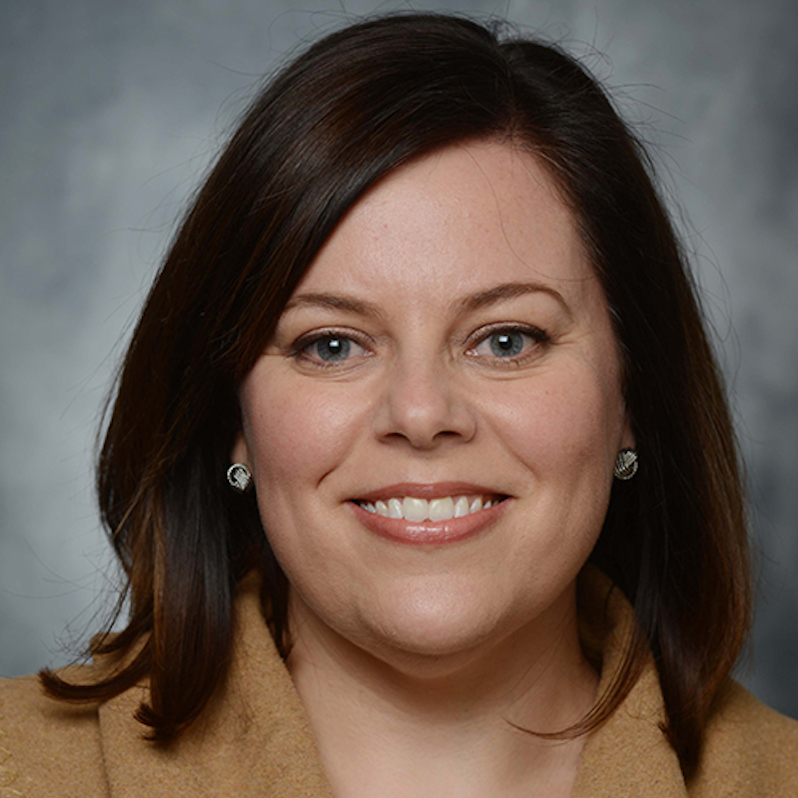
Sarah Blomeley
Email: sarah.blomeley@belmont.edu
Office Location: Ayers 3030

J. Buentello Benavides
Office Location: Ayers 3034

David Curtis
Email: david.curtis@belmont.edu
Office Location: Ayers 3024
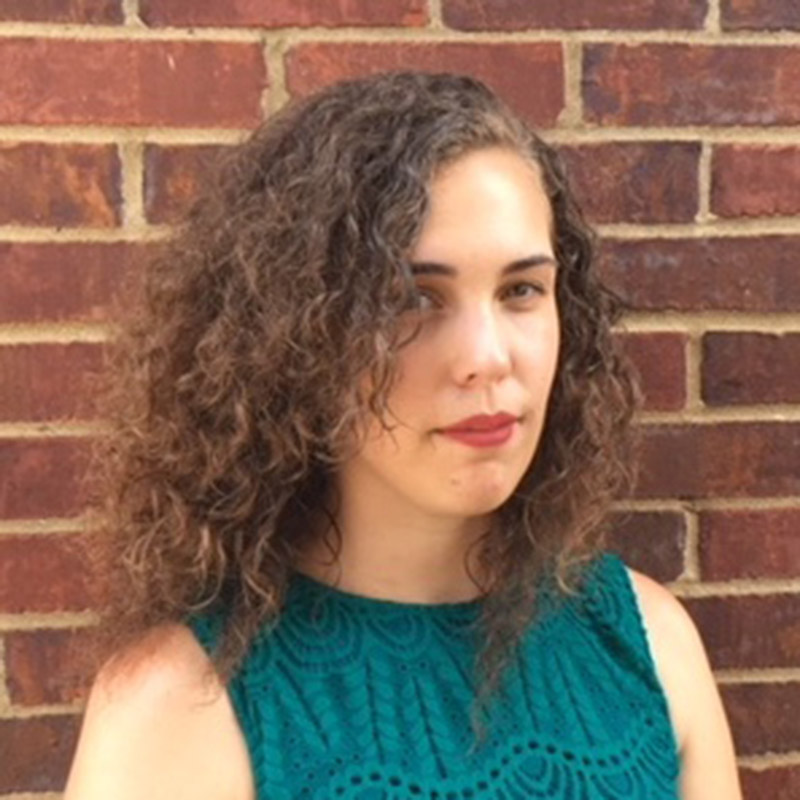
Heather Finch
Email: heather.finch@belmont.edu
Office Location: Ayers 3036
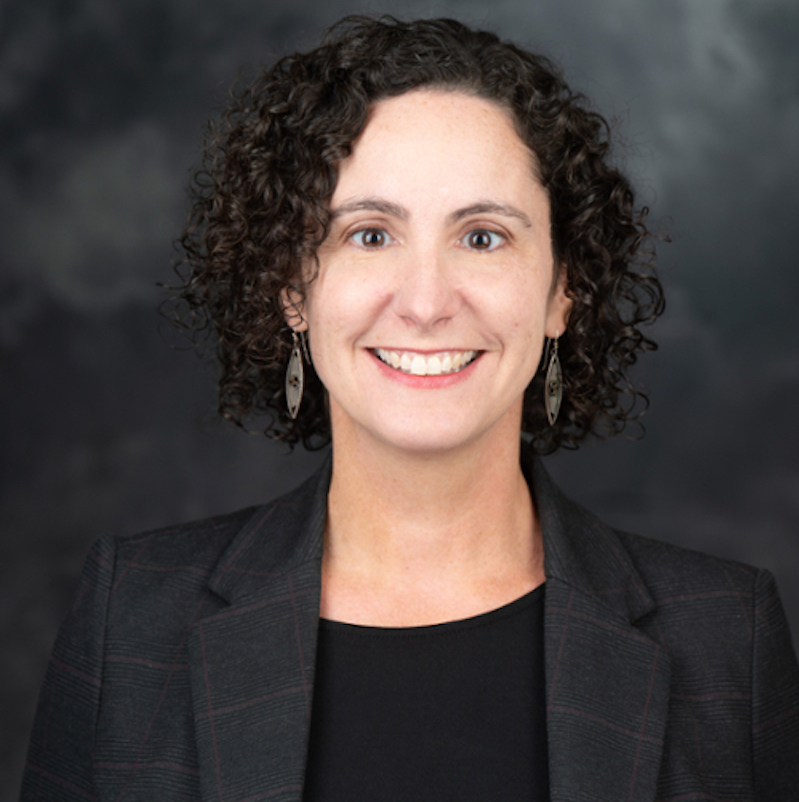
Susan Finch
Email: susan.finch@belmont.edu
Office Location: Ayers 2044

Charmion Gustke
Email: charmion.gustke@belmont.edu
Office Location: Ayers 3028

Kacie Hittel
Email: kacie.hittel@belmont.edu
Office Location: Ayers 3065

Amy Hodges Hamilton
Email: amy.hodgeshamilton@belmont.edu
Office Location: JMC 340
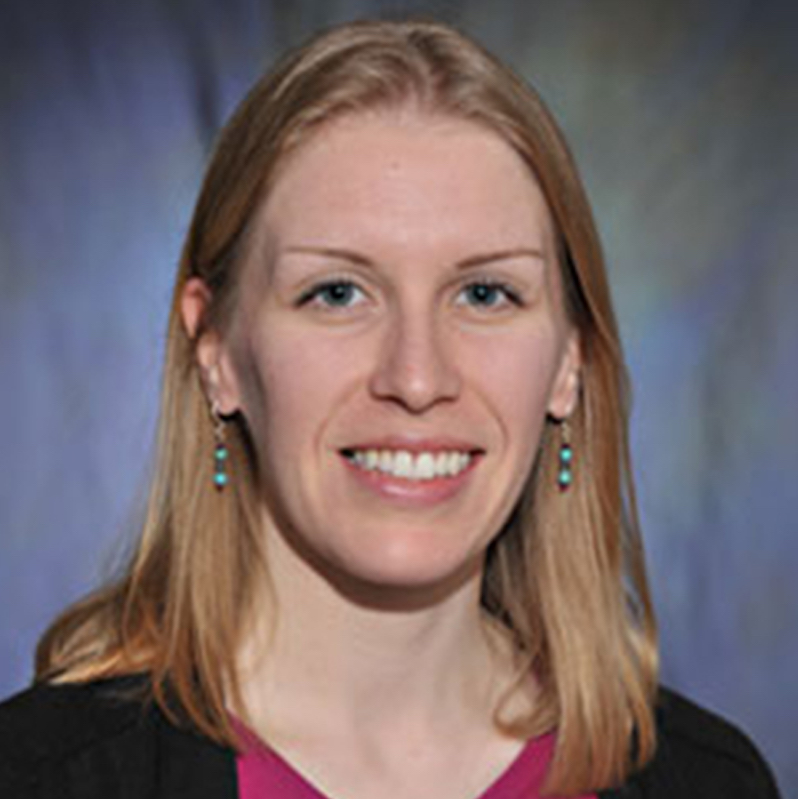
Caresse John
Email: caresse.john@belmont.edu
Office Location: Ayers 3025

Jason Lovvorn
Email: jason.lovvorn@belmont.edu
Office Location: Ayers 3022

Arpita Mandal
Email: arpita.mandal@belmont.edu
Office Location: Ayers 3035
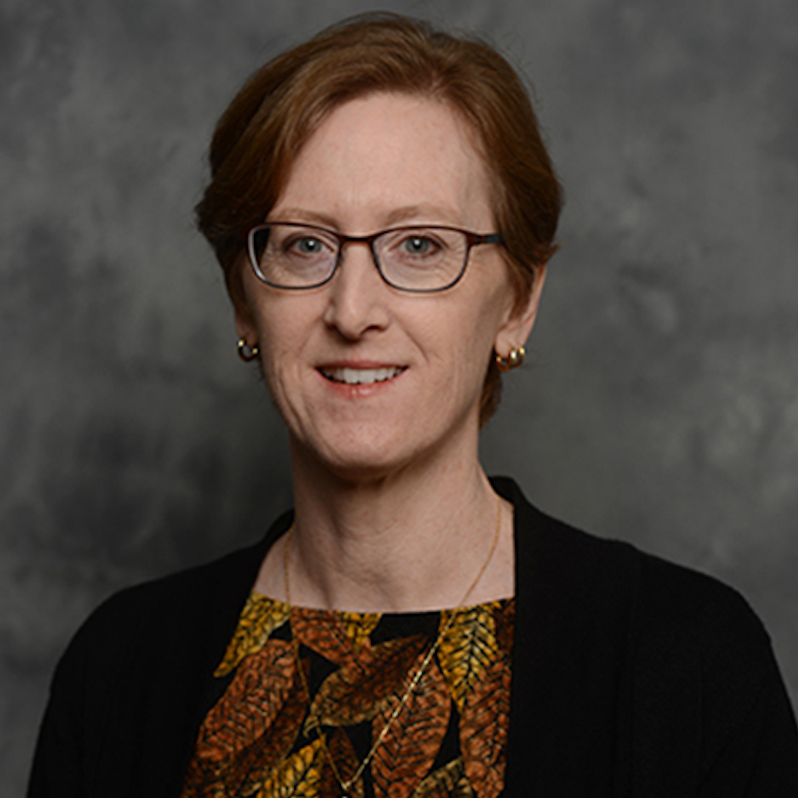
Carla McDonough
Email: carla.mcdonough@belmont.edu
Office Location: Ayers 3040

Gary McDowell
Email: gary.mcdowell@belmont.edu
Office Location: Ayers 3029
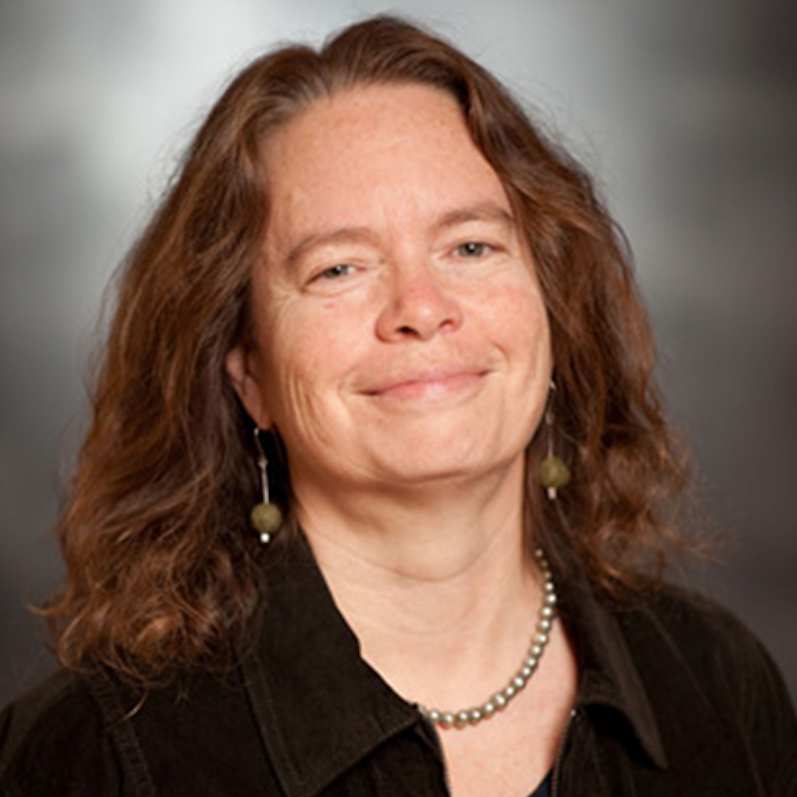
Maggie Monteverde
Email: maggie.monteverde@belmont.edu
Office Location: Ayers 3023

Joy Nettles
Email: joy.nettles@belmont.edu
Office Location: Ayers 3071

Gwen Niekamp
Email: gwen.niekamp@belmont.edu
Office Location: Ayers 3068

Joel Overall
Email: joel.overall@belmont.edu
Office Location: Ayers 3041

Sam Phillips
Email: sam.phillips@belmont.edu
Office Location: Ayers 3070

Blake Remington
Email: blake.remington@belmont.edu
Office Location: Ayers 2055
Amanda Salmon
Email: amanda.salmon@belmont.edu
Office Location: Ayers 3067

Bonnie Smith Whitehouse
Email: bonnie.smith@belmont.edu
Office Location: Janet Ayers Academic Center 3027

Most students complete the 30-credit-hour program in about two years, taking evening seminars in fall and spring and asynchronous courses in summer. Your timeline can flex depending on how many courses you take each semester.
Yes. Classes meet in the evening during fall and spring semesters, and summer courses are asynchronous, so you can keep your job while you earn your degree.
Belmont's M.A. in English graduates work as teachers, professors, novelists, editors, film producers, technical writers, attorneys and communications professionals.
You'll need an undergraduate degree with a 3.0 GPA, two academic or professional recommendations, a statement of purpose and a writing sample. Applications are submitted through the BU4U portal with a $50 fee.


Contact Us
College of Liberal Arts & Social Sciences
Sophie Chua
Admissions Coordinator
(615) 460.8335
Plan Your Visit
There's no better way to experience Belmont than by visiting campus. Whether you attend an admissions event, take a student-led campus tour or explore Nashville while you're here, a visit helps you picture yourself as part of the Belmont community.